You just spent three hours scrolling through filtered photos of a sunset in Oia. You booked the flight. You arrived. Then you realized the ‘secluded balcony’ is actually a walkway for three hundred cruise ship passengers and the ‘authentic dinner’ cost you eighty Euros for mediocre pasta. Stop falling for the aesthetic. Travel in 2024 requires a colder, more calculated approach if you want to actually enjoy the experience without draining your savings. I have spent the last year hitting the major hubs and the rising alternatives to see what actually holds up when the filters are stripped away. Here is the direct truth on where to go, what to carry, and how to pay for it without getting fleeced by predatory marketing and outdated guidebooks.
Which Asian Megacities Actually Deliver the Best Value?
Tokyo and Seoul are constantly compared, but they offer radically different returns on your investment. Tokyo is currently a bargain for Western travelers due to the weak Yen, but that has led to massive overcrowding in spots like Shibuya and Kyoto. If you want the Tokyo experience, you have to go off-script. The recent price hike for the Japan Rail Pass (which saw prices jump by nearly 70%) means the old strategy of ‘buying a pass and riding everywhere’ is dead. You are now better off buying individual Shinkansen tickets or sticking to a single region like Kanto or Kansai. Seoul, on the other hand, feels more modern and lived-in, but it lacks some of the ‘magic’ people expect from Japan. If you are looking for efficiency and food, Seoul wins. If you want the culture and the aesthetic, Tokyo is still the king, provided you avoid the peak cherry blossom madness.
Tokyo vs. Seoul: The Hard Numbers
| Metric | Tokyo (Japan) | Seoul (South Korea) |
|---|---|---|
| Avg. Hotel Room (Mid-range) | $140 – $180 USD | $90 – $130 USD |
| Street Food Meal | $6 – $10 USD | $4 – $8 USD |
| Public Transport (Daily) | $10 – $15 USD | $5 – $9 USD |
| Crowd Density | Extreme in hubs | High, but manageable |
In Tokyo, the real value lies in the ‘Konbini’ culture and the high-quality affordable dining. You can get a world-class bowl of ramen at a chain like Ichiran for about 900 JPY ($6 USD). However, be aware of the “Suica” card shortage; physical IC cards are hard to find for tourists right now, so you must rely on the digital version in your Apple or Google Wallet. In Seoul, the value is in the infrastructure. The high-speed rail and local subways are cheaper and easier to navigate than Tokyo’s fractured private line system. If you choose Tokyo, stay in neighborhoods like Setagaya or Ueno rather than Shinjuku. You will save 30% on lodging and eat better food with fewer lines. Seoul’s Mapo-gu district offers a similar ‘local’ vibe with incredible BBQ joints that don’t have the tourist markup found in Myeongdong.
Why Your Travel Finance Strategy is Failing You

Most travelers lose 3% to 5% of their total trip budget before they even leave the airport. How? Foreign transaction fees and terrible exchange rates. If you are still using a basic debit card from a local credit union, you are throwing money away. You need a dedicated travel card that offers zero foreign transaction fees and solid rewards. The American Express Gold Card is a frequent recommendation for a reason. While it carries an annual fee of approximately $250, the 4x points on dining and groceries—even abroad—can quickly offset the cost if you travel more than twice a year. Furthermore, using retail portals associated with your finance cards can net you significant cashback on your pre-trip shopping, often through major retail networks like those found on Awin.
Essential Finance Tools for International Travel
- No-Fee Credit Cards: Look for cards through providers like American Express or specialized travel banks that waive the 3% international fee. This is the single easiest way to save $30 for every $1,000 spent.
- Multi-Currency Accounts: Use apps that allow you to hold local currency (JPY, EUR, GBP) and spend at the interbank rate. This protects you against sudden currency devaluations during your trip.
- Emergency Cash: Always carry $200 USD in crisp, new bills. In many parts of the world, a slightly torn or marked bill is worthless at an exchange desk, especially in Southeast Asia or Central Asia.
- Retail Reward Portals: Before buying gear, check your credit card’s retail portal. Buying a $300 suitcase through a partner link can often return $15-$30 in points or cash.
Stop using airport ATMs. They are a trap. They offer ‘convenience’ at the cost of a 10% markup on the exchange rate. Use a local bank ATM once you get into the city. Also, when a card machine asks if you want to pay in your ‘home currency’ or the ‘local currency,’ always choose local currency. Let your bank do the conversion, not the merchant’s predatory software, which often hides a massive spread in the exchange rate.
The Truth About Travel Gear: What Actually Lasts?
I see people overpacking ‘survivalist’ gear for a trip to London. You don’t need a 75-liter hiking pack for a city break. You need gear that survives baggage handlers and fits in an overhead bin. After testing dozens of setups, two pieces of equipment stand out for 2024. First, the Osprey Farpoint 40. It costs roughly $185. It is the gold standard for carry-on travel. The harness system is actually comfortable, unlike the cheap ‘tactical’ bags you see on social media. The 210D Nylon Mini Hex Diamond Ripstop material is incredibly puncture-resistant, meaning it won’t shred if it gets caught on a terminal conveyor belt. The downside? It looks like a turtle shell if you overpack it, and the laptop sleeve placement is awkward (it’s on the outer flap, which is bad for weight distribution).
Performance Review: Tech and Carry
| Product | Price (Approx) | Pros | Cons |
|---|---|---|---|
| Osprey Farpoint 40 | $185 | Durable, carry-on sized, great harness | Laptop sleeve placement is poor |
| Sony WH-1000XM5 | $350 | Best-in-class noise canceling, 30hr battery | Does not fold; bulky case |
| Anker 737 Power Bank | $130 | Fast charging (140W) for laptops | Heavy; close to airline mAh limits |
| Peak Design Packing Cubes | $30 – $45 | Compression feature, tear-away opening | Expensive compared to generic brands |
Second, let’s talk about the Sony WH-1000XM5 noise-canceling headphones. If you spend more than four hours on a plane, these are non-negotiable. They retail for about $350. The noise canceling is superior to Bose in mid-range frequencies (crying babies, engine hum). It uses eight microphones and two processors to cancel out ambient noise. However, they don’t fold. This is a massive design flaw for travelers. You have to carry the large protective case, which takes up significant room in a 40L bag. If space is your priority, the older XM4 model is actually a better travel choice because it folds flat. For power, the Anker 737 Power Bank is a beast. With a 24,000mAh capacity and 140W output, it can charge a MacBook Pro and an iPhone simultaneously, but its weight (630g) is something you will feel in your daypack.
Mediterranean Value: Why You Should Skip Greece for Albania
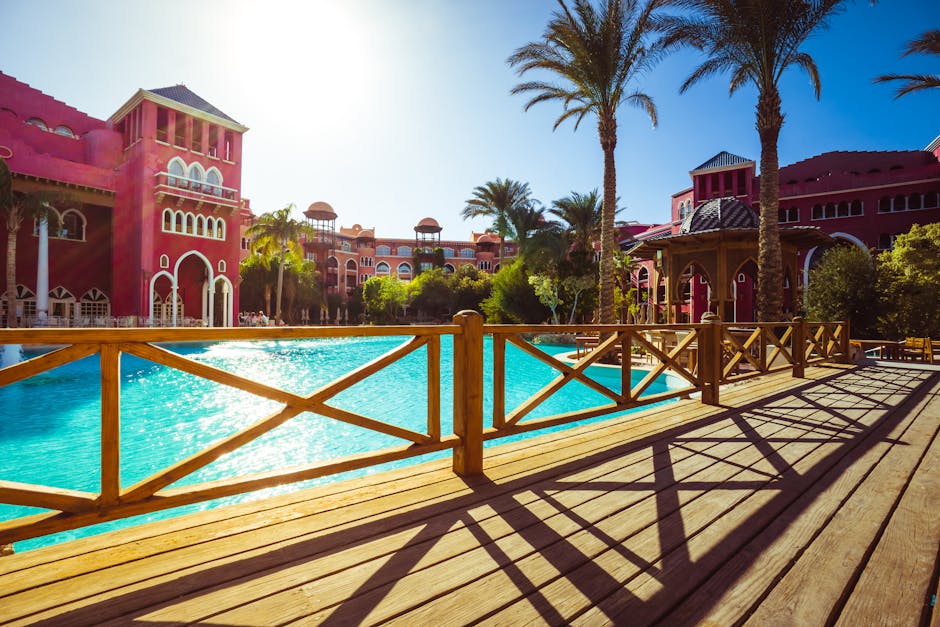
Greece is broken. Not literally, but the tourism model in places like Santorini and Mykonos is no longer sustainable for the average traveler. You are paying $400 a night for a room that would cost $100 anywhere else, and you are doing it while elbowing thousands of other people. If you want the Ionian blue water and the Mediterranean climate without the price gouging, look at the Albanian Riviera. Specifically, Ksamil and Himare. While Ksamil is becoming more popular, Himare remains a quiet, pebble-beach paradise with crystal clear water and family-run tavernas.
The secret is out on Albania, but the prices haven’t caught up to the hype yet. You can still get a seaside dinner for two with wine for under $40 USD. Try doing that in Corfu, which is literally visible from the Albanian coast.
The infrastructure in Albania is still developing. Don’t expect the seamless ferry systems of the Cyclades. You will need to rent a car, and driving in Albania is an aggressive sport where traffic laws are treated more like suggestions. But the payoff is pristine beaches like Gjipe, which require a 20-minute hike to reach, ensuring they remain uncrowded. If you are a digital nomad, the capital, Tirana, is incredibly cheap with a growing coffee culture and reliable fiber-optic internet. It’s a pragmatic choice for anyone looking to extend their travel budget by months rather than weeks. Just be sure to carry cash (Lek), as card acceptance outside of Tirana is still hit-or-miss.
How to Solve the International Connectivity Nightmare
Paying $10 a day for an ‘international roaming plan’ from your home carrier is a sucker’s game. Over a two-week trip, that is $140 for data you already pay for at home. Telecom companies like Vodafone and O2 offer much better local solutions that can be managed entirely through an app. If your phone supports eSIM technology, you have no excuse. You can download an app like Airalo or Holafly, buy a 10GB local data pack for $15, and be connected the moment your plane touches the tarmac. For UK-based travelers, O2 often includes European roaming in their standard retail contracts, making them a top choice for regional travel.
Connectivity Options Ranked
- Local eSIM: Best for convenience and price. No physical card swapping. Most plans now support 5G in major European and Asian cities.
- Local Physical SIM: Best for long-term stays or if you need a local phone number for apps like Uber, Bolt, or Grab, which often require a local SMS verification.
- Portable Wi-Fi (Skyroam/Solis): Only worth it if you are traveling in a group of 4+ people who all need data constantly. The battery life on these units is often disappointing.
- International Roaming: Avoid at all costs. It is the least efficient way to spend your money and often comes with throttled speeds after a small daily cap.
When choosing an eSIM, check the network provider. Some cheap eSIMs route their data through servers in Hong Kong or the US, which creates massive latency (lag). If you are in Europe, ensure your eSIM provider uses local networks like Orange, Vodafone, or Deutsche Telekom. This ensures you can actually use Google Maps when you are lost in a medieval alleyway in Prague without waiting thirty seconds for the map to load. Also, check if the plan allows ‘tethering’ so you can share data with your laptop in an emergency.
Digital Nomad Hubs: Lisbon vs. Madeira
Portugal has been the darling of the remote work world for five years. Lisbon is the primary target, but it is suffering from its own success. Rents have skyrocketed, and the ‘nomad’ scene has become a bit of a parody. If you want the Portuguese lifestyle but need to actually get work done, Madeira is the superior choice. The island has invested heavily in remote work infrastructure, including dedicated ‘Digital Nomad Villages’ in Ponta do Sol that offer free desk space and community events.
The weather in Madeira is a constant 20-25°C (68-77°F) year-round. It is the ‘Island of Eternal Spring.’ While Lisbon is hilly and loud, Madeira is mountainous and lush. The cost of living is roughly 20% lower than Lisbon, especially regarding short-term rentals and local produce. The downside? You are on an island. If you get ‘island fever’ easily, the lack of a mainland rail connection might bother you. But for a three-month stint, the hiking trails (Levadas) and the reliable internet make it a much more practical destination for the focused professional. The Funchal airport is also a retail hub, offering excellent duty-free options and easy connections to the rest of Europe via low-cost carriers.
The Practical Strategy for Booking in 2024
Stop waiting for ‘Last Minute Deals.’ They don’t exist anymore for flights. Airlines have optimized their algorithms to punish procrastinators. The ‘sweet spot’ for international flights is now 4 to 6 months out. For domestic or regional low-cost carriers, it’s 6 weeks. Use tools like Google Flights to track prices, but always book directly with the airline. If something goes wrong—a cancellation, a delay, a lost bag—third-party booking sites will leave you stranded. They are essentially ‘ghost’ agencies that have zero power once the ticket is issued. When you book directly, you are the airline’s customer; when you book through a discount site, the discount site is the customer, and you are just a passenger with no leverage.
Booking Checklist for Smart Travelers
- Direct Booking: Always. No exceptions. The $20 you save on a third-party site will cost you $500 in stress when the flight is moved and you can’t reach a human on the phone.
- Tuesday/Wednesday Travel: Mid-week flights are consistently 15-20% cheaper than Friday or Sunday departures. This also applies to hotel rates in business-centric cities.
- Incognito Mode: It is a myth that it lowers prices, but it does prevent your own search history from cluttering the results with “previously viewed” rates that might have expired.
- Retail Rewards: Use retail portals through your travel credit cards to buy gear. Buying that $350 Sony headset through a shopping portal can net you 1,000+ points, which is a free domestic flight in some regions.
- Check the Aircraft: Use tools like SeatGuru or AeroLOPA. Not all “Economy” seats are equal. A Boeing 787 Dreamliner offers better cabin pressure and humidity than an older 777, reducing jet lag significantly.
Maintenance for Longevity: Keeping Your Gear Flight-Ready
Investing in high-end gear like Osprey or Sony is only half the battle. You must maintain it. For hardshell luggage, a simple application of car wax can prevent scuffs and keep the shell from becoming brittle. For electronics, never store your power banks at 100% or 0% for long periods; keep them at 50% to preserve the lithium-ion cells. If your noise-canceling headphones start to “crackle,” it’s often just moisture buildup in the earcups—take the pads off and let them air out. By treating your travel gear as a long-term investment rather than a disposable purchase, you save thousands over a decade of travel. This pragmatic approach to maintenance mirrors the way you should handle your travel finances: with care, foresight, and a focus on long-term value.
Final word: travel is a commodity. Treat it like one. Don’t get emotional about brands or ‘dream’ locations. Look at the data, check the exchange rates, and buy the gear that actually functions. If a destination is trending on TikTok, it’s probably already too crowded and overpriced. Go where the infrastructure is solid but the influencers haven’t arrived yet. Your wallet and your sanity will thank you.