Most travelers book Japan hotels the same wrong way: they pick the most-reviewed option on a booking site, realize the location puts them 40 minutes from where they actually want to be, and spend three nights commuting across a city that would have been fine if they’d stayed somewhere central. Location in Japan is everything. And the country’s hotel market is genuinely strange — a ¥50,000 budget hotel in Tokyo and a ¥50,000 luxury ryokan in rural Shimane are completely different propositions.
This guide covers the hotels actually worth booking, the traps to avoid, and what to expect at different price points across Japan’s main cities.
How Tokyo’s Neighborhoods Change Your Entire Hotel Experience
Tokyo is enormous. Staying in Shinjuku when your main plan involves Asakusa, Ueno, and Akihabara means 45 minutes on the metro each way, every day. The first decision isn’t which hotel — it’s which neighborhood.
| Neighborhood | Best For | Price Range (per night) | Recommended Hotel |
|---|---|---|---|
| Shinjuku | First-timers, nightlife, shopping | ¥15,000–¥90,000 | Park Hyatt Tokyo |
| Shibuya | Design hotels, younger travelers, nightlife | ¥12,000–¥60,000 | Trunk Hotel |
| Asakusa | Traditional Tokyo, temple access | ¥8,000–¥35,000 | Asakusa View Hotel |
| Ginza / Otemachi | Luxury, business, central metro access | ¥40,000–¥200,000+ | Aman Tokyo |
| Akihabara / Kanda | Budget travelers, tech and pop culture | ¥7,000–¥20,000 | Dormy Inn Akihabara |
Park Hyatt Tokyo: The Splurge That Actually Delivers
At ¥70,000–¥90,000 per night (~$450–$580 USD), the Park Hyatt Tokyo occupies floors 39–52 of a Shinjuku skyscraper. The 47th-floor pool with Mt. Fuji views on a clear morning is real, not marketing copy. The New York Bar charges a cover at night but is open to hotel guests all day. If you’re going to spend once on a room in Tokyo, this is the one — it delivers on every photo you’ve seen of it.
Trunk Hotel: Right If You’re Under 40 and Visiting Shibuya
The Trunk Hotel in Shibuya (¥30,000–¥50,000/night) targets a design-conscious guest who’ll spend more time in the rooftop bar than the room. Rooms are smaller than you’d expect at that price — around 25 sqm — but thoughtfully laid out. The hotel’s ground-floor restaurant and its position in Cat Street put it in the center of Ura-Harajuku’s boutique district. For travelers who’ll be out until 2am in Shibuya anyway, this fits better than a quieter property in Marunouchi.
Aman Tokyo: When Budget Genuinely Isn’t a Constraint
Aman Tokyo sits atop the Otemachi Tower, starting at around ¥150,000/night ($950+). The lobby ceiling is 10 meters high. The washi paper screens, hinoki wood soaking tubs, and floor-to-ceiling city views stop feeling like Japanese theming and start feeling like the real thing. It’s considered one of the best urban hotels in the world, and the guest experience justifies that claim. Nothing else in Tokyo operates at this level.
The Ryokan Decision Is Simpler Than It Looks
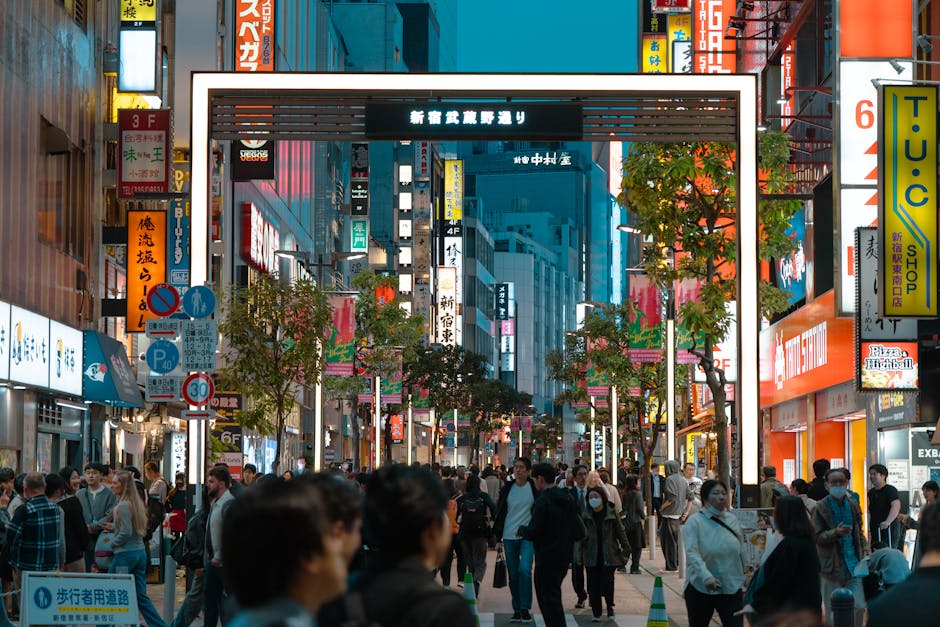
Book at least one ryokan. The only question is where and for how many nights.
A ryokan stay isn’t just accommodation — it’s multi-course kaiseki dinner, Japanese breakfast, tatami mat floors, yukata robes, and a private onsen bath, all included. The cost (¥20,000–¥80,000 per person, per night with meals) is high until you price out what those components would cost separately. Two nights at Hiiragiya Ryokan in Kyoto — established 1818 — runs about ¥50,000 per person per night, but the kaiseki dinner alone would cost ¥20,000+ at a Kyoto restaurant. The math changes.
That said: one or two nights is the right amount for a first trip. Ryokan life is structured — mealtimes, communal bath schedules, check-in etiquette, shoe removal protocols. It’s an experience, not just a bed. Five nights at a ryokan for someone unfamiliar with the format gets exhausting. Do one or two nights mid-trip and keep flexibility the rest of the time.
Kyoto Hotel Recommendations by Traveler Type
Kyoto’s hotel market splits cleanly into two audiences: travelers who want traditional Japan — ryokans, machiya townhouses, proximity to temples — and travelers who want a comfortable base for day trips without paying an atmosphere premium they won’t actually use. Both are valid. The mistake is booking the wrong type.
For Traditional Atmosphere: Hiiragiya Ryokan
Hiiragiya has two buildings. The Honkan (original building) is where the history is — tatami rooms with private gardens, hushed hallways, and kaiseki service that’s been refined over two centuries. The newer annex is more accessible in price, starting around ¥35,000 per person with breakfast. The Honkan runs ¥50,000–¥80,000 per person including full dinner service. Location in Nakagyo Ward puts you within walking distance of Nijo Castle and a short taxi ride from Gion. For a traditional Kyoto stay, this is the best-maintained, most historically credible option in the city.
For Design and Comfort: ROKU KYOTO
ROKU KYOTO (a Marriott Autograph Collection property) opened in 2026 at the base of the Takagamine mountains in northern Kyoto. Rates run ¥50,000–¥90,000/night. The design blends contemporary Japanese architecture with genuine mountain surroundings — the outdoor pool faces directly into forested hills, and the onsite restaurant sources ingredients from the surrounding area. This is the right pick if you want high-design with Japanese sensibility but without the formality of ryokan etiquette. The trade-off is location: northern Kyoto requires more transit time to reach central temples.
For Value and Location: The Westin Miyako Kyoto
The Westin Miyako Kyoto sits in Higashiyama, Kyoto’s eastern hills district, within reach of Nanzenji, Heian Shrine, and the Path of Philosophy. Rates run ¥25,000–¥45,000/night depending on season. It’s not a boutique experience — it’s a large, reliable Western hotel — but the location for anyone whose itinerary focuses on the eastern temple circuit is genuinely excellent. The hotel also runs a shuttle to central Kyoto, which matters in a city where taxis are expensive and buses are slow during peak season.
If Arashiyama Is Your Priority
One honest piece of advice: if the bamboo grove is a must-see, stay the night there. Suiran, a Luxury Collection Hotel (~¥70,000/night) places you in Arashiyama before the tour buses arrive at 9am and after they clear out by 4pm. Dawn at the bamboo grove with almost no other visitors is a genuinely different experience from the midday crowds. That access alone justifies the premium for the right traveler.
Osaka Hotels: The Best Value in Japan
Osaka runs consistently cheaper than Tokyo and Kyoto while being one of the most enjoyable cities in the country. The food culture — takoyaki, kushikatsu, okonomiyaki — is reason enough to extend an itinerary by two nights.
| Hotel | Price/Night | Standout Feature | Best Location For |
|---|---|---|---|
| Conrad Osaka | ¥40,000–¥70,000 | 40th-floor infinity pool, panoramic city views | Business district, Nakanoshima |
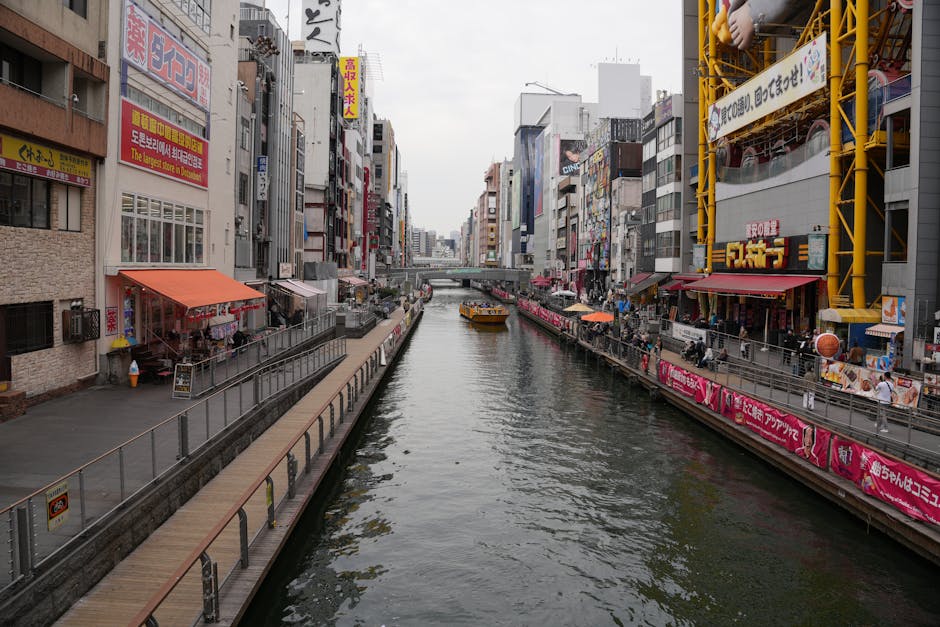
| The St. Regis Osaka | ¥45,000–¥80,000 | Butler service, walking distance to Dotonbori | Honmachi |
| Cross Hotel Osaka | ¥10,000–¥18,000 | Best budget-to-quality ratio in Namba | Namba (nightlife, food) |
| Dormy Inn Premium Namba | ¥12,000–¥22,000 | Natural hot spring bath at mid-range price | Namba |
Between the two luxury picks: the Conrad Osaka wins on views, the St. Regis wins on service and walkability to Dotonbori. For most travelers, Dormy Inn Premium Namba is the single most interesting value proposition in Osaka — a natural hot spring bath in a budget hotel at ¥15,000/night is something you won’t find outside Japan.
Five Mistakes That Cost Japan Hotel Travelers Real Money
- Booking cherry blossom season without a six-month runway. Late March to mid-April is Japan’s most competitive hotel window. Properties in Kyoto and Tokyo sell out 6–9 months ahead, and last-minute availability means a significant premium for whatever’s left. If this window is non-negotiable for you, book before anything else in your trip.
- Trusting “near Shinjuku” in a hotel listing. “Near” in Tokyo hotel descriptions can mean 20 minutes by train. Always check the exact station name, not just the ward or neighborhood label.
- Booking five nights in a ryokan on a first Japan trip. Two nights maximum. The structured meal times, bath schedules, and check-in formality are fascinating for two nights and constraining for five. You need flexibility to eat where you choose and explore without a schedule.
- Paying for hotel breakfast in Tokyo or Osaka. Urban hotel breakfasts run ¥2,000–¥4,000. A 7-Eleven or Lawson convenience store breakfast costs ¥400 and is genuinely excellent — fresh onigiri, hot coffee, egg sandwiches. Save the breakfast budget for ryokan stays where it’s included, made to order, and worth the price.
- Overlooking the Dormy Inn chain entirely. Dormy Inn properties across Japan offer natural hot spring baths, free ramen service at 10pm, and central locations for ¥10,000–¥16,000/night. They’re not boutique. They are, however, consistently better value than equivalently priced options from international chains.
Japan Hotel Prices: What Each Budget Actually Gets You
Under ¥10,000 per night ($65): Capsule Hotels and Basic Business Hotels
At this price point in major cities, you’re looking at capsule hotels or very compact business hotels. The Millennials Shibuya (¥6,000–¥9,000/night) offers the best capsule experience in Tokyo — semi-private pods with reclining chairs, personal screens, and enough vertical room to sit. For actual beds, Toyoko Inn delivers reliable, clean rooms at ¥7,000–¥10,000 across most Japanese cities. Rooms are small — typically 14–18 sqm — and that’s just the reality at this budget.
¥10,000–¥25,000 ($65–$160): The Sweet Spot for Most Travelers
This is where Japan’s hotel market is genuinely excellent compared to the rest of the world. Dormy Inn, Remm Hotels (JR Group), and Cross Hotels all operate in this range with quality that consistently exceeds equivalently priced hotels in Europe or the US. Rooms run 20–25 sqm, which is tight but intelligently designed. The Remm Tokyo Kyobashi at around ¥18,000/night near Ginza — memory foam beds, blackout curtains, central access — is a representative benchmark for what this bracket delivers.
¥25,000–¥60,000 ($160–$390): Upper Mid-Range and Design Hotels
This bracket covers full-service hotel brands — Westin, Marriott, Sheraton — alongside boutique picks like Trunk Hotel and ROKU KYOTO. Rooms reach 30–40 sqm, lobbies have genuine atmosphere, and the service gap compared to the tier below becomes noticeable. The Mitsui Garden Hotel Kyoto Sanjo at around ¥30,000/night is a strong example: Japanese design sensibility, central Kyoto location, and a quality-to-price ratio that’s hard to argue with.
¥60,000+ ($390+): Where Japan’s Best Luxury Hotels Operate
Park Hyatt, Conrad, Aman, Ritz-Carlton, and The Okura Tokyo are the primary players. At this level, you’re buying space (45–70 sqm rooms), service depth, and an unmistakably Japanese attention to detail that the mid-range hotels approximate but don’t match. The Okura deserves specific mention: it reopened after a complete renovation in 2019 and manages to feel both contemporary and distinctly Japanese — a balance most luxury hotels attempt and fail. Rates start around ¥80,000/night.
Smaller Cities Where the Hotel Itself Becomes the Point
Tokyo, Kyoto, and Osaka anchor most Japan itineraries. But some of the most memorable hotel experiences in the country are in cities that don’t appear on standard two-week routes.
Kanazawa is the most persuasive argument for adding two nights to your trip. The city has a preserved geisha district (Higashi Chaya), a samurai neighborhood (Nagamachi), and Kenrokuen — one of Japan’s three great gardens — without anything approaching Kyoto’s crowds. The Hotel Higashiyama Kanazawa (~¥20,000/night) sits within the historic Higashi Chaya district and is built around a converted machiya townhouse structure. The experience it offers doesn’t exist in Tokyo or Osaka at any price.
Hakone, 90 minutes from Tokyo by the Romancecar express train, is where most travelers have their first real ryokan experience. Gora Kadan (~¥50,000 per person including meals) is one of Japan’s most consistently praised ryokans — private outdoor rotenburo baths facing forested mountain slopes, kaiseki dinner that changes with the season, and a garden designed around the original imperial villa grounds. Book it for one or two nights and pair it with the Hakone Open-Air Museum.
For travelers adding Hiroshima — already on most itineraries as a day trip — consider staying one night instead of commuting back to Osaka. The ANA Crowne Plaza Hiroshima (~¥15,000–¥22,000/night) is a reliable central option that makes the Peace Memorial Museum less rushed and the early Miyajima Island ferry departure the next morning straightforward rather than stressful.