Most people pack for Patagonia like they’re going to a rainy weekend in Scotland. Then they get hit with 100 km/h gusts on the John Gardner Pass and realize their ultralight tent was a mistake. I’ve done the W Trek twice, the Huemul Circuit once, and spent three weeks around El Chaltén. Here’s what nobody tells you before your first multi-day hike down there.
Start With the Route, Not the Gear
Every gear decision flows from where you’re walking. Patagonia has two main trekking hubs: Torres del Paine in Chile and El Chaltén in Argentina. They demand different things from your pack.
Torres del Paine: The W Trek and the O Circuit
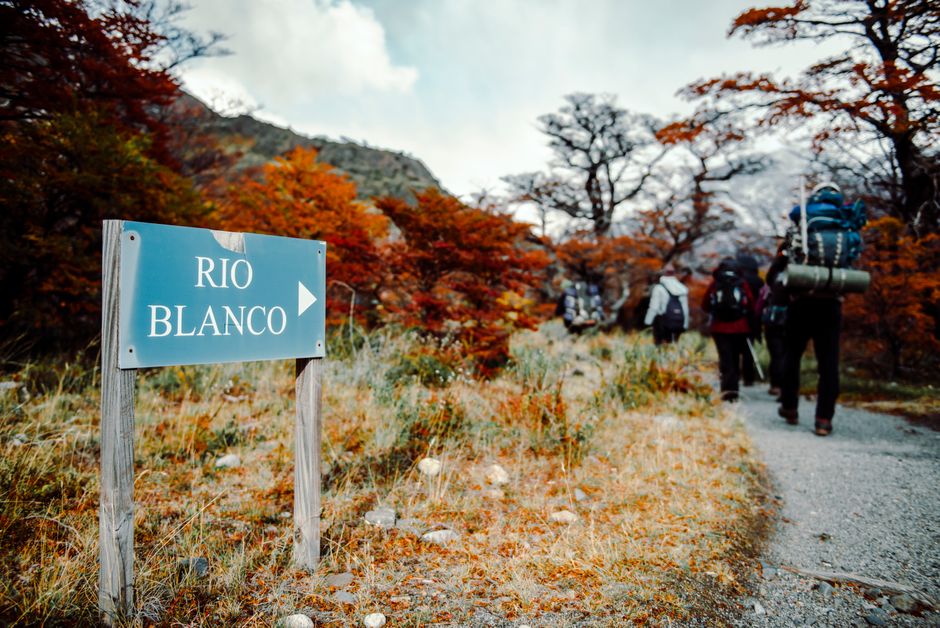
The W Trek is 76 km over 4-5 days. You sleep in refugios or campsites with basic facilities. The O Circuit adds the backside of the massif — 110 km over 7-9 days, including the John Gardner Pass at 1,200 meters. If it’s your first multi-day hike, do the W. You can buy hot meals at refugios like Refugio Grey and Refugio Paine Grande, which cuts your food weight by half. A bed in a refugio dorm costs around $60-80 USD per night in 2026. Campsites run $15-25 USD.
The O Circuit is a different beast. You carry all your food for the back section between Refugio Dickson and Refugio Grey. That’s 4 days of meals. Your pack weight jumps to 18-22 kg. If you’ve never carried that much over a pass, the O will humble you.
El Chaltén: Free Camping and Day-Hike Loops
Argentina’s side is cheaper and more flexible. Most multi-day routes around El Chaltén are actually day hikes you can string together with free camping. The classic overnight is Laguna de los Tres (Fitz Roy base) — 20 km round trip, but you can camp at Poincenot for free and do the final climb at sunrise. The Huemul Circuit is the serious option: 60 km, 4 days, requires a harness and rope for two river crossings with a pulley system. You need a Tyrolean traverse setup or you don’t go. No exceptions.
| Route | Distance | Days | Cost (2026 est.) | Key Challenge |
|---|---|---|---|---|
| W Trek (Chile) | 76 km | 4-5 | $400-700 USD with refugios | Booking campsites months ahead |
| O Circuit (Chile) | 110 km | 7-9 | $500-900 USD | John Gardner Pass in high wind |
| Laguna de los Tres (Argentina) | 20 km | 2 days with camping | Free camping | Final 400m climb is steep |
| Huemul Circuit (Argentina) | 60 km | 4 | Free, but gear costs | Two Tyrolean traverses |
My pick for a first-timer: the W Trek in late November or early March. The refugio infrastructure means you can bail if the weather turns. El Chaltén is better for a second trip when you know your gear works.
The Tent and Sleep System That Won’t Fail You
Patagonia wind is not normal wind. It’s sustained 60-80 km/h with gusts over 100. Your tent is the single most important gear decision.
I saw three tents destroyed on the O Circuit in one day at Campamento Italiano. All three were cheap dome tents with fiberglass poles. The poles snapped like twigs. Do not bring a $40 department store tent to Patagonia. You will sleep in a refugio emergency shelter or worse.
The MSR Hubba Hubba NX 2 ($530) is the most popular tent on the W Trek for good reason. It pitches freestanding, which matters when you can’t get stakes into rocky ground. It handles 80 km/h gusts if you guy it out properly. The downside: it’s 1.7 kg and the fly zipper can snag. The Big Agnes Copper Spur HV UL2 ($550) is lighter at 1.4 kg but feels more fragile in big wind. If you’re doing the O Circuit or camping exposed at Los Cuernos, get the Hilleberg Anjan 2 ($840). It’s overkill for the W, but it’s the only tent I’ve seen shrug off a full Patagonia storm without drama.
Sleeping bag: a 20°F (-7°C) down bag is the sweet spot. The Therm-a-Rest Questar 20 ($380) or the NEMO Disco 15 ($330) both work. Pair with a Therm-a-Rest NeoAir XLite NXT ($210) sleeping pad. R-value of 4.5. The ground gets cold even in summer.
One mistake I see constantly: people bring a 3-season tent with a mesh inner and no solid fabric. Patagonia rain is horizontal. It gets blown under the fly and through the mesh. The Hubba Hubba has this problem in exposed campsites. Fix it by pitching the fly low and using rocks to block the windward side. Or buy a tent with a solid inner like the Hilleberg.
Water, Food, and the Weight You’ll Regret
You don’t need a heavy water filter in Patagonia. The water from streams and rivers is clean. I’ve drunk directly from streams on the W Trek and around El Chaltén for weeks without issue. The Sawyer Squeeze ($40) is enough as backup. Skip the pump filters and UV pens. They’re dead weight.
Food is where first-timers blow it. You’ll burn 4,000-5,000 calories a day. Pack 1.2 to 1.5 kg of food per day. That’s roughly 3,500-4,500 calories. Freeze-dried meals from Peak Refuel or Mountain House cost $12-15 each and taste fine. But you can do better and cheaper. Couscous, instant mashed potatoes, dried salami, hard cheese, tortillas, peanut butter, chocolate. A 500g bag of trail mix costs $8 and gives you 2,500 calories. You don’t need a stove for lunch. Tortilla with salami and cheese is the best trail lunch in Patagonia.
Cooking: the MSR PocketRocket 2 ($50) and a 750ml titanium pot like the Toaks 750 ($40) is all you need. Gas canisters are available in Puerto Natales and El Chaltén. Buy them there. Don’t fly with gas canisters. You can’t.
The Clothes That Actually Work in Patagonia Weather
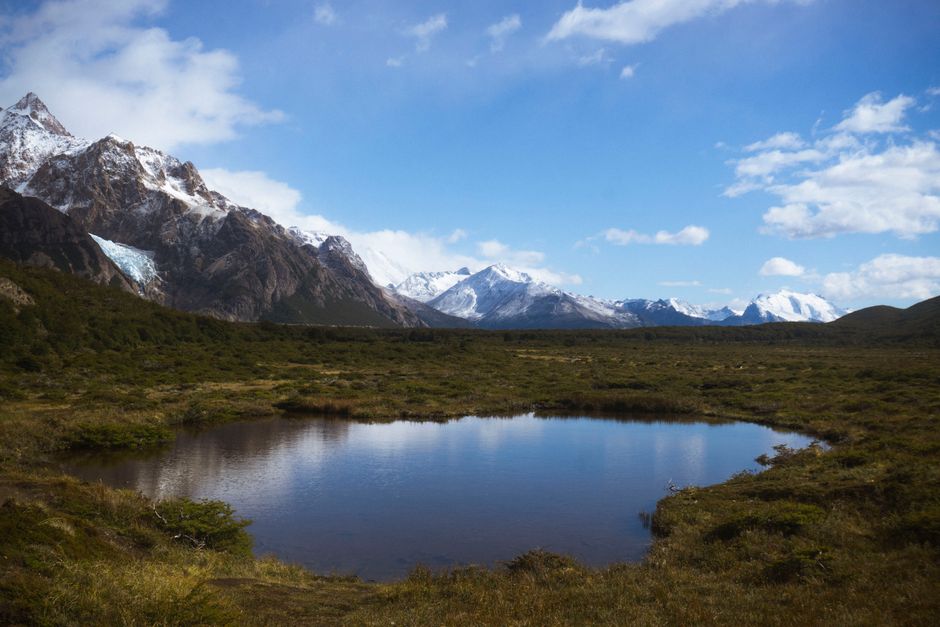
Patagonia weather is a four-seasons-in-one-day situation. You’ll get sun, rain, wind, and maybe snow. Even in January. The system that works: merino base layer, fleece midlayer, waterproof-breathable shell, puffy for camp.
Base layer: Icebreaker 200 Oasis long-sleeve ($85). Merino doesn’t stink after 5 days. Synthetic base layers from Patagonia Capilene ($65) work too but smell terrible by day 3.
Midlayer: Patagonia R1 Air hoody ($150). The best fleece ever made. Warm when wet, breathes on climbs, dries fast.
Shell: Arc’teryx Beta LT ($450) or the cheaper Outdoor Research Foray II ($225). Gore-Tex or similar 3-layer membrane. Pit zips are non-negotiable. You’ll be climbing in rain and overheating is a real risk.
Puffy: the Patagonia Down Sweater ($280) or Montbell Superior Down Parka ($220). Wear it at camp. Do not hike in it. You’ll soak it with sweat and then freeze when you stop.
Boots: this is where I get pushback. Trail runners work for the W Trek in dry conditions. The Altra Lone Peak 8 ($150) or Hoka Speedgoat 6 ($155) are fine if you have strong ankles and light pack. But if you’re doing the O Circuit or the Huemul, get real boots. The Salomon Quest 4 GTX ($230) or La Sportiva Nucleo High II GTX ($240). The mud and rocky descents will destroy trail runners and your ankles.
One thing people forget: gaiters. The mud on the O Circuit backside is knee-deep in places. Dirty Girl Gaiters ($25) or OR Rocky Mountain Low Gaiters ($45). They keep rocks and mud out of your shoes. Worth every gram.
What I’d Pack Differently If I Did It Again
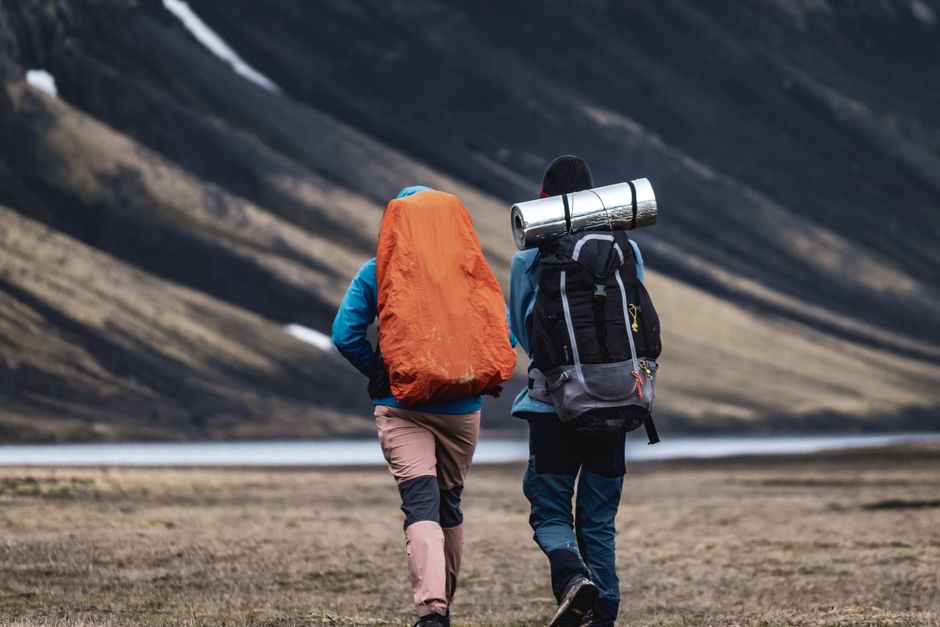
My first Patagonia hike, I carried 22 kg for the W Trek. I used maybe 12 kg of it. The extra weight made every pass miserable. Here’s what I’d cut and what I’d add.
- Cut: the 3L hydration bladder. Use two 1L Smartwater bottles ($2 each). Lighter, easier to fill from streams, and you can see how much water you have left.
- Cut: the camp shoes. You don’t need them. Wear your boots or go barefoot in the refugio. Saves 500g.
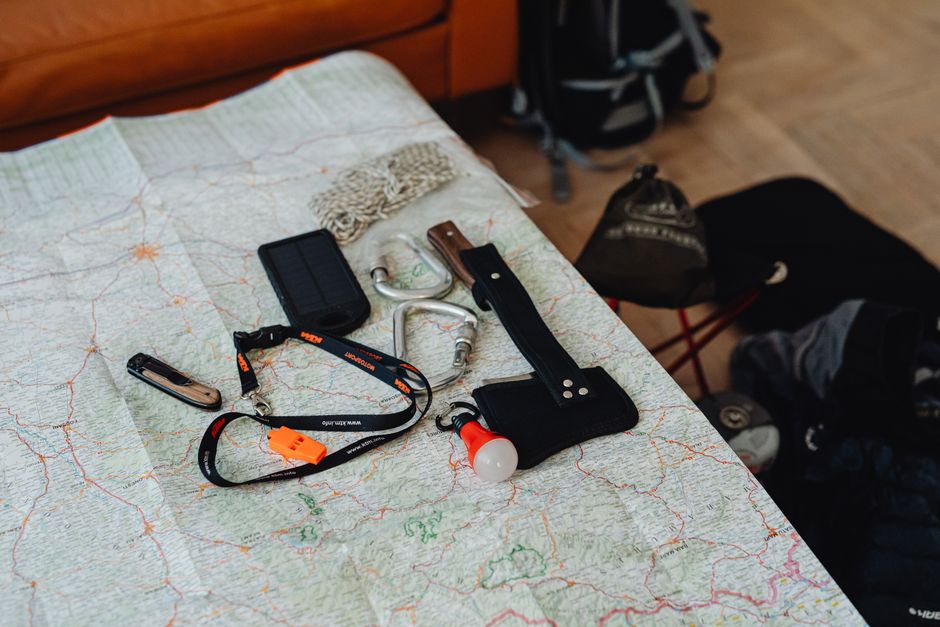
- Cut: the solar charger. Patagonia is far south. Sun angle is low. Solar panels barely work. Bring a 20,000 mAh Anker power bank ($60). Recharge at refugios or in town.
- Add: a proper first aid kit with blister treatment. Leukotape P ($10) is better than any blister bandage. Tape your heels before they blister. Not after.
- Add: an emergency bivy bag. The SOL Escape Bivvy ($50). If your tent fails or you get caught out, this saves your life. 200g.
- Add: a buff or neck gaiter. Windburn on your face is real. The Buff Original ($25) is the single most versatile piece of gear I own.
The biggest mistake? Not booking Torres del Paine campsites early enough. For the 2026 season, bookings open in July or August 2026 and sell out within days for peak dates. If you show up in Puerto Natales in December without reservations, you’re not hiking the W. Book through Vertice Patagonia and Las Torres Patagonia. Not a third-party reseller. They charge double.
For El Chaltén, no permits needed. Just show up. The free campsites like Poincenot and Laguna Capri fill up in peak season, but you can always find a spot if you arrive by mid-afternoon.
Final call: if you only remember one thing, remember this. Your gear list matters less than your route choice and your booking timeline. Get the W Trek booked. Pack a freestanding tent with a solid pole structure. Bring merino and a real shell. Leave the extra gadgets at home. Patagonia will do the rest.