You land in Rome at 11 a.m. wearing a sweater, spend the afternoon sweating through it, then walk home in cold rain after dinner. That is the shoulder-season problem in one day. Spring and autumn city breaks punish single-purpose clothes, bulky coats, and shoes that cannot handle wet pavement.
After years of five-day trips with one carry-on, I now pack around a simple rule: three layers, two pairs of shoes, and clothes that work in at least three outfits. This list assumes mild but changeable weather, with daytime temperatures from 50 to 68 degrees Fahrenheit and occasional rain.
What Shoulder Season Really Requires in One Bag
My verdict: pack for movement between conditions, not for one forecast. A five-day city break usually involves airports, museums, outdoor queues, long walks, heated restaurants, and one weather surprise. You need clothes that can lose or gain warmth quickly.
Why the forecast is not enough
Weather apps often show the afternoon high, but travelers feel the morning low, wind, shade, and rain more sharply. A 60-degree day beside a river can feel colder than a dry 52-degree morning. City streets also create a lot of walking, so a jacket that feels fine for a ten-minute commute may become sweaty after three miles.
Build your outfit in layers that work independently. A breathable base layer handles indoor heat. A light mid-layer covers cool mornings. A shell blocks wind and rain. This system solves the real problem: temperature changes during the same day, not just the temperature at breakfast.
The three-layer rule
Bring two short-sleeve tops, one long-sleeve top, one thin sweater or fleece, and one weatherproof outer layer. The sweater should fit under the shell without pulling at the shoulders. The shell should cover your hips and have a hood that stays on in wind.
Skip thick cotton hoodies. They take too long to dry and occupy the space of two useful layers. A thin merino, synthetic, or technical knit top gives you more combinations with less bulk. My preferred color plan is one dark neutral, one light neutral, and one accent color. It keeps five days of outfits from looking like the same uniform.
How to Build a Five-Day Capsule Wardrobe
My verdict: five days requires fewer clothes than most people think, but more planning than most people do. Use this sequence before anything goes into the bag.
- Start with the shoes. Choose the pair you will wear for the longest walking day. Then add one compact second pair only if it solves a clear problem, such as rain, dressier dinners, or wet shoes drying overnight.
- Choose three bottoms. Pack one pair of comfortable trousers, one pair of jeans or alternate trousers, and one lighter option if the climate supports it. Wear the bulkiest pair during transit.
- Pack four tops. Use two short-sleeve shirts, one long-sleeve shirt, and one smarter top. Four tops create enough combinations for five days when you repeat bottoms.
- Add one warm layer and one rain layer. These are separate jobs. A sweater warms you; a shell protects you. Do not expect a soft sweatshirt to replace a waterproof jacket.
- Limit the small items. Pack five pairs of underwear, five pairs of socks, one sleep outfit, sunglasses, a compact umbrella only when the forecast justifies it, and a small laundry bag.
What to wear on the plane or train
Wear the heaviest trousers, walking shoes, long-sleeve shirt, and weather shell. Keep the warm layer accessible rather than buried in the suitcase. Transit terminals can be cold, while a crowded train can feel warm within minutes.
How to make every item earn its place
Lay out every garment and create at least three outfits before packing it. If a top works with only one bottom, it stays home. This test catches the expensive mistake of packing attractive clothes that do not cooperate with the rest of the bag.
The Five-Day Packing Plan, Day by Day
My verdict: use a repeatable schedule, then adjust only for the forecast. The table below gives a realistic base for a city break with one laundry wash or a quick sink rinse.
| Day | Base outfit | Layer plan | Extra to carry |
|---|---|---|---|
| 1: Travel and arrival | Comfortable trousers, short-sleeve top, walking shoes | Long-sleeve layer and shell within reach | Passport, charger, water bottle |
| 2: Full walking day | Alternate trousers, breathable top | Warm layer for morning, shell for rain | Small day bag, blister care, sunglasses |
| 3: Museum or indoor day | First trousers repeated, long-sleeve top | Light sweater only unless rain is likely | Foldable tote, phone battery |
| 4: Neighborhood exploring | Jeans or alternate trousers, clean short-sleeve top | Shell packed until the forecast demands it | Water, snack, compact umbrella if needed |
| 5: Departure | Travel outfit repeated | Wear the warmest combination through transit | Dirty laundry bag and easy-access documents |
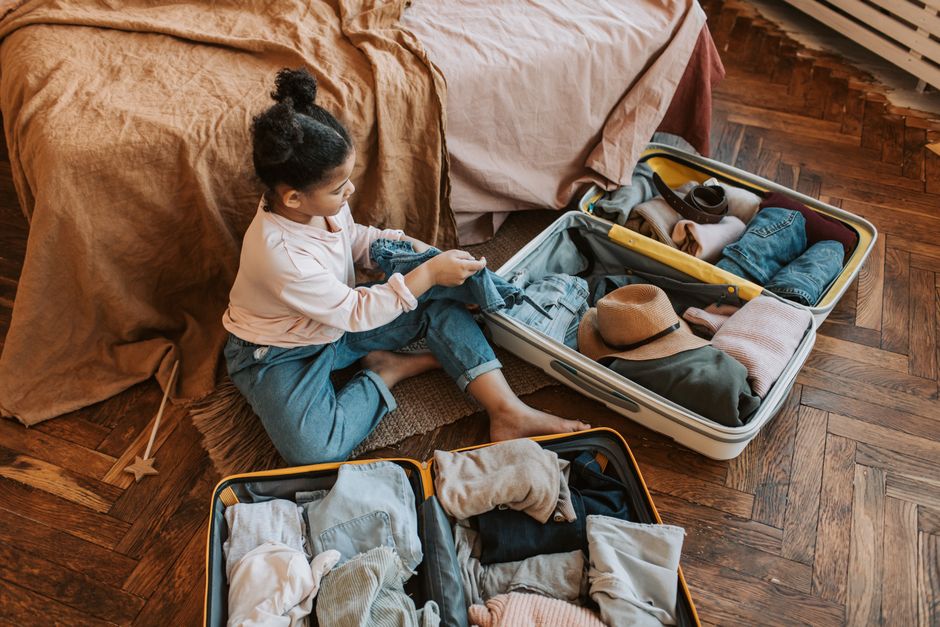
Pack the clothes for days one and two near the top because arrival days often run long. Keep socks and underwear in a small separate section. A five-minute morning reset is enough to air out damp layers and keep clean clothes away from worn ones.
The Travel Products I Would Actually Pack
My strongest recommendation is to spend money on weather protection and walking comfort, not matching luggage accessories. A few well-chosen products solve specific problems; most travel gadgets add weight.
Best rain layer: Patagonia Torrentshell 3L Rain Jacket
The Patagonia Torrentshell 3L costs about $189 and uses a three-layer waterproof construction with a hood and pit zips. I would choose it for a wet destination or a trip with long outdoor days. It is more jacket than many travelers need, but it earns its space when rain can last for hours. Do not buy it for a dry forecast and occasional drizzle; a lighter shell will be easier to pack.
Best warm layer: UNIQLO Ultra Light Down Vest
The UNIQLO Ultra Light Down Vest usually sits near $60 and compresses far smaller than a coat. It works under a rain shell and leaves your arms free for walking, photography, and carrying a day bag. I prefer the vest over a bulky fleece for mild autumn trips. Skip it if rain is constant, because down loses much of its warmth when wet unless the shell fully protects it.
Best walking shoe and organization setup
The Allbirds Tree Runner is listed around $100 and feels light enough for airport days and city walking, but it is not a rain shoe. For wet destinations, bring a more water-resistant walking shoe instead. The Osprey Daylite 13L gives you a compact day pack for a phone, water bottle, shell, and snacks without looking like hiking equipment. For the suitcase, the Eagle Creek Pack-It Reveal Cube Set costs about $59 for three visible, water-resistant cubes. I like the set because the mesh tops let me find one shirt without disturbing everything else.
When Not to Buy More Travel Gear
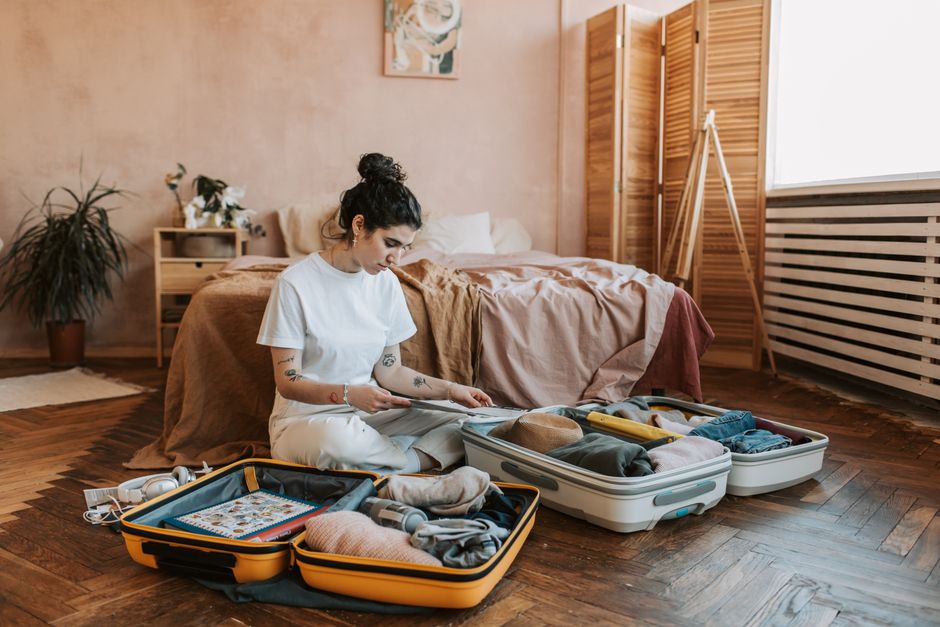
My verdict: do not buy a new product unless it fixes a problem your current kit cannot handle. Shoulder-season packing gets expensive when travelers try to purchase a separate solution for every possible temperature.
Skip a dedicated travel blazer if your normal dark overshirt works for dinner. Skip compression cubes if your suitcase already closes easily; they organize clothing but do not create unlimited space. Skip a second pair of shoes when the forecast is dry and your main pair works with every outfit. Wear that extra weight instead of carrying it.
Buy a proper shell when rain would ruin a full day. Buy a warm layer when your existing sweater is bulky or too warm indoors. Buy a day bag only when your main luggage cannot carry water, a shell, and daily essentials comfortably. Those purchases solve clear failure points. A matching passport wallet does not.
- Best for wet cities: waterproof shell, quick-drying layers, water-resistant walking shoes.
- Best for cool mornings: thin sweater or down vest under a light shell.
- Best for one-bag travelers: three bottoms, four tops, two shoes, and visible packing cubes.
- Best budget choice: use existing clothes and spend only on the layer or shoe that protects the whole trip.