
A three- or four-night ski break only works when every hour is protected from avoidable logistics.
A long ski weekend sounds simple until you count the hidden minutes. Airport queues, transfer waits, equipment hire, lift-pass collection, the wrong hotel location, and one confusing resort bus can eat half a day before anyone clips into skis. On a full week, that is annoying. On a three-night break, it can be the difference between a holiday and a rushed errand.
Erna Low's appeal for short breaks is the ability to bring the pieces together: accommodation, travel options, ski hire, lessons, passes, transfers, and resort knowledge. The result is not a louder holiday. It is a quieter plan, where the slope time has already been defended.
Choose the resort by transfer math
For a ski weekend, the prettiest resort is not always the smartest resort. A high-altitude village with reliable snow is useful, but so is a transfer that does not turn Friday evening into a midnight arrival. The short-break question is blunt: how fast can you get from work, airport, train, or car to a bed near the lifts?
That is why resorts with clear access, flexible accommodation, and enough terrain for mixed abilities make more sense than a dream destination that steals the first morning. The itinerary should be built backwards from the time available.
Do not separate the extras from the booking
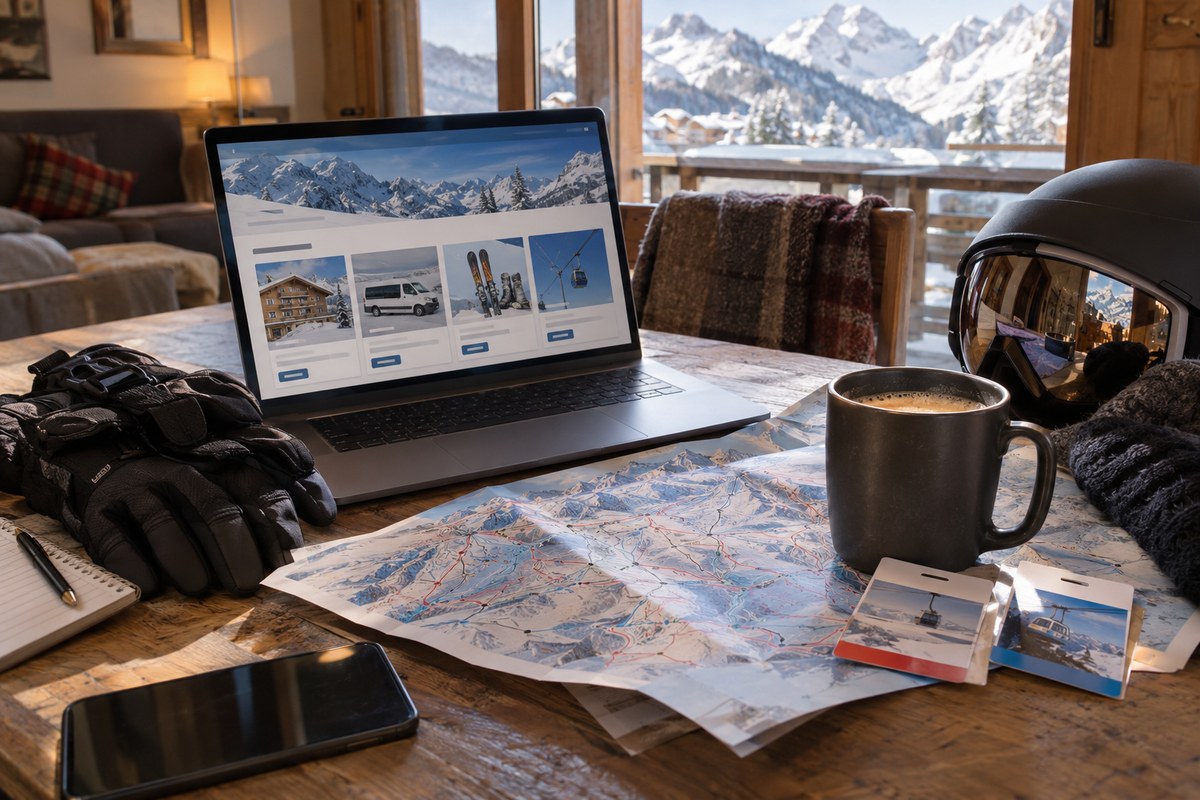
A short ski break punishes small delays. If ski hire is across town, passes need collecting in a second queue, and lessons start before breakfast settles, the whole trip feels tight. Putting those extras into the plan early is not glamorous, but it is the difference between skiing after coffee and standing in line after coffee.
Erna Low's package approach is useful because it lets travelers compare more than hotel price. A slightly better-located apartment, pre-arranged hire, or transfer that arrives at the right time can create more value than saving a small amount on the room alone.
Leave one unscheduled pocket
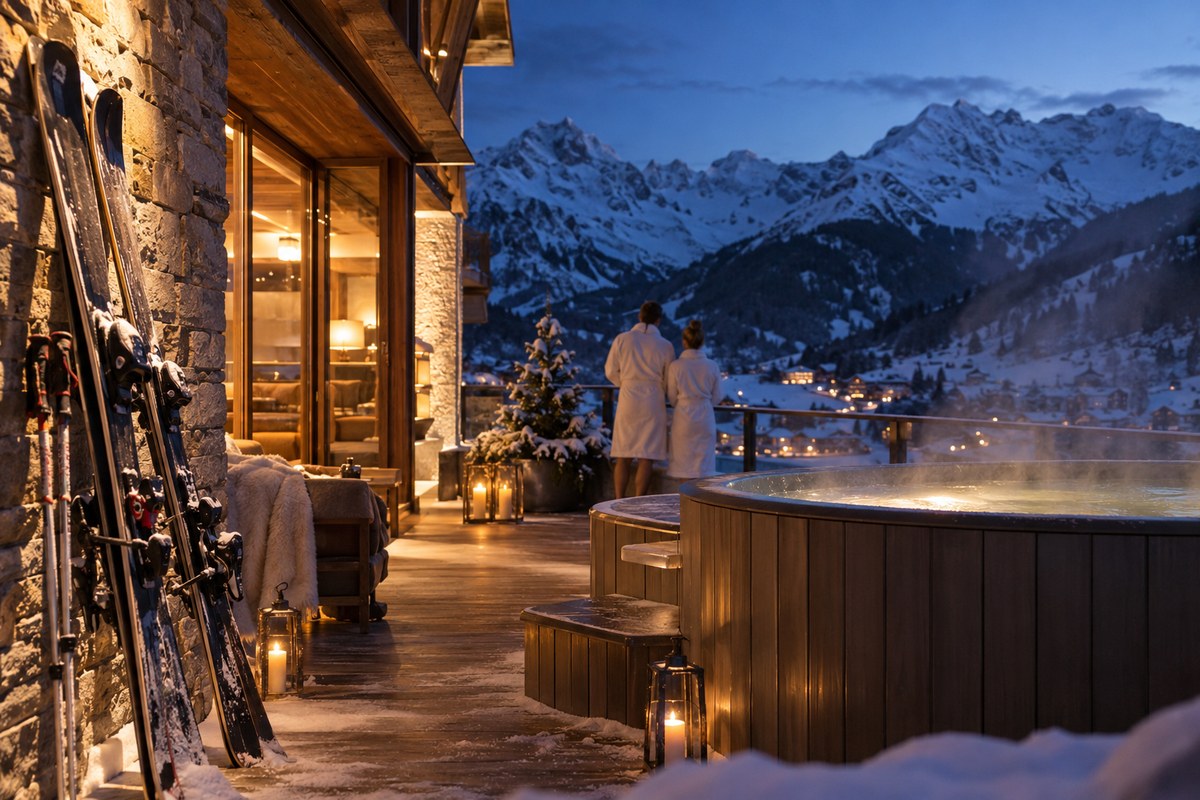
The mistake with short breaks is trying to make every hour productive. Mountains do not care about spreadsheets. Weather moves, legs tire, and the best part of the trip may be a slow lunch in the sun or an early evening in a spa rather than another run squeezed in before lifts close.
A strong package gives structure, but the trip still needs air. Book the critical pieces; keep one pocket for recovery, wandering, or changing the plan without guilt. That balance is what makes a quick Alps break feel like a real holiday instead of a compressed week.
For a short ski break, compare packages by useful hours: arrival time, distance to lifts, equipment collection, lesson timing, and how easily tired travelers can quit early without stranding the group.
Less admin makes the weekend feel longer
A ski weekend does not need to be extravagant. It needs to be cleanly arranged. When the travel, beds, passes, and extras line up, the short trip suddenly has enough space for the thing people came for: snow, cold air, and the feeling of being far away quickly.