Wondering if you can travel around Japan alone, use the trains confidently, and stay safe without speaking fluent Japanese? Yes. The key is to build a few simple habits before you arrive: keep your route visible, learn the local etiquette, save emergency numbers, and avoid situations that remove your control.
Japan is a strong choice for a first solo trip because its major cities have clear transport systems, busy public spaces, visible police boxes, and many services designed for international visitors. It is still a real country with crowded trains, earthquakes, nightlife risks, lost property, and areas where English support is limited. Use the advice below as a practical operating plan, not a promise that every journey will be trouble-free.
Which Japanese etiquette rules matter most?
Verdict: focus on not inconveniencing other people. You do not need perfect Japanese manners. You do need to queue, keep your voice low on public transport, and notice when a place expects shoes to come off.
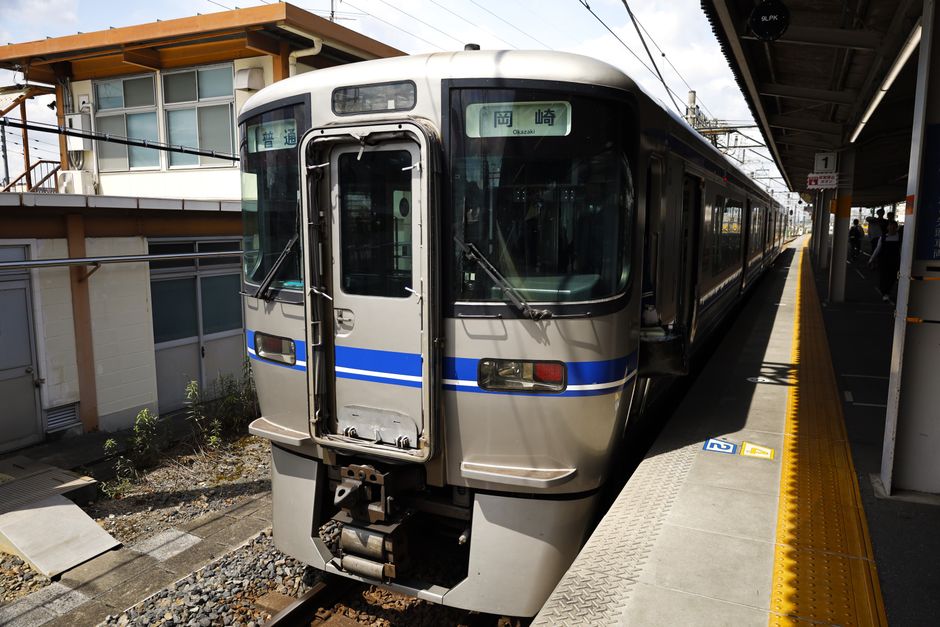
- On trains: stand behind the marked queue line, let passengers leave before boarding, and keep your phone silent. Avoid phone calls on commuter trains. If you need to speak, use a quiet voice.
- With luggage: keep bags in front of you on a crowded train. Do not block a station passage, doorway, escalator, or restaurant aisle. Use a coin locker or luggage-forwarding service when a suitcase makes movement difficult.
- At homes, temples, and some restaurants: remove your shoes when the entrance has a raised step, shoe lockers, or visible slippers. Wear clean socks because bare feet may feel inappropriate in shared spaces.
- At shrines and temples: behave as a visitor, not as a photo set. Keep clear of worshippers, obey signs, and ask before photographing people, private areas, or ceremonies.
- With food: do not walk through busy streets while eating unless the area clearly permits it. Eating is fine on many long-distance trains, including Shinkansen services, but local commuter trains are a poor place for a full meal.
- With smoking: use a designated smoking area. Smoking while walking is restricted in many city districts, and local fines can apply.
- With payments: place cash or a card on the tray at the register instead of handing it directly across the counter. Small restaurants and shops may accept cash only, so carry some yen.
Useful Japanese phrases
Learn sumimasen for excuse me or sorry, arigatou gozaimasu for thank you, onegaishimasu for please, and eki wa doko desu ka for where is the station? If you need help, start with sumimasen and show the address or route on your phone. That combination works better than repeating an English question louder.
What to avoid
Do not photograph geisha or maiko without permission, enter a private doorway for a better picture, or touch displayed food and crafts. The official JNTO etiquette guide is a useful reference for public transport, shoes, greetings, and local courtesy.
How do you use trains and IC cards in Japan?
Verdict: use an IC card for city travel and buy a nationwide rail pass only after comparing your actual long-distance fares. A pass can be useful for several expensive intercity journeys, but it is poor value for a trip based mainly in Tokyo or Kyoto.
The basic train routine
- Search the route in Google Maps or Japan Travel by NAVITIME and check the train operator, platform, direction, transfer station, and last departure.
- Use a rechargeable IC card such as Suica, PASMO, or ICOCA where accepted. Tap in and tap out at the same operator’s gates. Keep a small cash reserve for machines, rural buses, and shops that do not accept cards.
- At large stations, follow the line color and station number, not only the English name. Shinjuku, Tokyo, and Osaka stations can require ten minutes or more to walk between platforms.
- When transferring between operators, follow the transfer signs before leaving the paid area. If you exit by mistake, ask a station employee before buying another ticket.
Real 2026 fare examples
| Journey or ticket | Price | What it tells you |
|---|---|---|
| Tokyo Metro, 1–6 km, IC fare | ¥178 | Typical short urban trip |
| Tokyo Metro, 7–11 km, IC fare | ¥209 | Useful for many central Tokyo rides |
| Ueno to Shibuya on Tokyo Metro, IC fare | ¥209 | Approximate travel time: 28 minutes |
| Japan Rail Pass, 7-day Ordinary adult | ¥50,000 | Buy only after adding planned JR journeys |
| Japan Rail Pass, 14-day Ordinary adult | ¥80,000 | Best suited to a route with several long JR trips |
Tokyo Metro lists current fares and route examples on its official fare page. The national pass costs ¥50,000 for seven days when purchased online, but it does not cover every private railway or city subway. For a Tokyo-only visit, an IC card is the clear choice. For Tokyo, Kyoto, Osaka, and one or two Shinkansen journeys, compare individual tickets before buying the pass.
What should you do if something goes wrong?
Verdict: stop moving, get to a staffed place, and contact the right service. Trying to solve a serious problem while walking alone through an unfamiliar station makes the situation harder.
What if you lose your phone, wallet, or passport?
Return to the last station, shop, train, or restaurant first. Ask its staff for lost-and-found help. If the item is not there, report the loss at a koban and contact your embassy about passport replacement. Keep a paper copy of your passport identification page and your embassy’s phone number separate from the original.
What if someone follows or harasses you?
Enter a convenience store, hotel lobby, department store, station office, or other staffed location. Tell an employee, tasukete kudasai, meaning please help me, and show the person or location on your phone. Do not lead a stranger to your accommodation. If you are in immediate danger, call 110. Tokyo also has an English police helpline at 03-3501-0110.
What if there is an earthquake?
Inside a building, move away from glass and falling objects, protect your head, and follow staff instructions. Do not rush onto stairs during the shaking. Afterward, check official alerts before heading toward a station because trains may pause and platforms may become crowded. Download the free Safety Tips app before departure for earthquake, tsunami, volcanic, and weather alerts. The JNTO emergency page lists the current hotline and emergency numbers.
Which common Japan travel mistakes should you avoid?
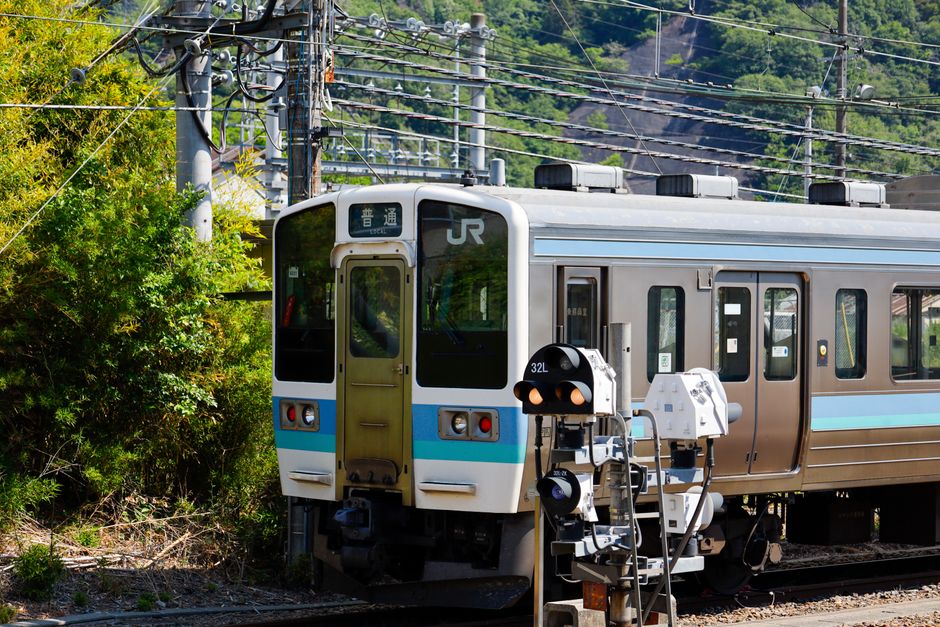
Verdict: reduce decisions on your first day and do not buy convenience you will not use. Japan rewards preparation, but overplanning can create its own problems when every connection is timed too tightly.
Five mistakes that cause avoidable stress
- Buying the Japan Rail Pass automatically: calculate the cost of your planned JR journeys first. A seven-day ¥50,000 pass is not a bargain for short city rides.
- Arriving without a route screenshot: station Wi-Fi and mobile data can fail. Save your hotel address, airport route, and first train in offline form.
- Planning a suitcase-heavy route: large luggage is awkward on crowded trains and may require advance space reservations on some Shinkansen services. Pack one manageable bag or send luggage ahead.
- Assuming every place accepts cards: carry yen for small restaurants, rural buses, shrine offerings, lockers, and emergency purchases.
- Leaving the final train to chance: check the last departure before dinner, especially in Kyoto and smaller cities. A beautiful evening plan is not worth being stranded far from your hotel.
When a different plan is better
Do not choose a remote mountain stay, late-night arrival, or multi-city itinerary if you are still learning how Japanese stations work. Start with two or three bases connected by direct trains. Do not choose a capsule hotel if you need quiet sleep, large luggage space, or private bathroom access; a business hotel may cost more but removes those daily friction points. Do not force yourself onto a packed train if you feel unsafe. Wait for the next service, use a less crowded car, or ask station staff for the women-only car when one is operating.
The single most important rule for solo female travel in Japan is to keep control of your route, your communication, and your exit from any situation that feels wrong.