You arrive in Zanzibar after lunch, the air feels hot and damp, and a dark cloud is building over Stone Town. Two hours later, the street is dry again. That is late May: still warm, often quiet, and too changeable for a rigid beach-only holiday.
The good news is that this timing can work very well. You get fewer crowds, green spice plantations, cooler evenings than the hottest months, and a better chance of finding calm corners on the coast. The bad news is simple: May sits at the end of the main rainy season, so anyone expecting guaranteed blue skies will be disappointed.
Use Stone Town for history and food, schedule the spice farm before noon, and choose a beach based on tides rather than photographs. That is the formula.
Is Zanzibar Good in Late May?
Yes, if you want a quieter cultural trip with beach time; no, if every day must be perfect for swimming. Late May falls near the end of Zanzibar’s long-rain period, known locally as the long rains. The island remains hot, but showers can arrive quickly and heavy cloud may interrupt a beach day.
What the weather actually feels like
Expect warm days, humid air, wet roads after storms, and useful sunny windows. Rain does not always last all day. A morning shower can clear before lunch, while a storm later in the afternoon may turn an outdoor plan into a slow dinner in Stone Town. Pack for both outcomes instead of trying to predict every hour.
Late May is also greener than the dry months. Spice farms look fresh, palms are clean after rain, and the island feels less dusty. The trade-off is that boat trips, diving, and snorkelling can face changes from wind, waves, or poor visibility. Keep your most weather-sensitive activity flexible.
Why the crowds are lighter
Many travellers choose June to October because the weather is easier. That leaves late May quieter at popular sites. Stone Town’s narrow lanes feel more manageable, restaurant tables are easier to find, and beach hotels may have more room. Quiet does not mean empty, though. The island still receives visitors, and popular tours can fill on weekends.
Check the forecast shortly before departure and again during the trip. The right mindset is not “rain ruins Zanzibar.” It is “rain decides which activity comes next.”
How to Split Six Days Between Stone Town and the Coast
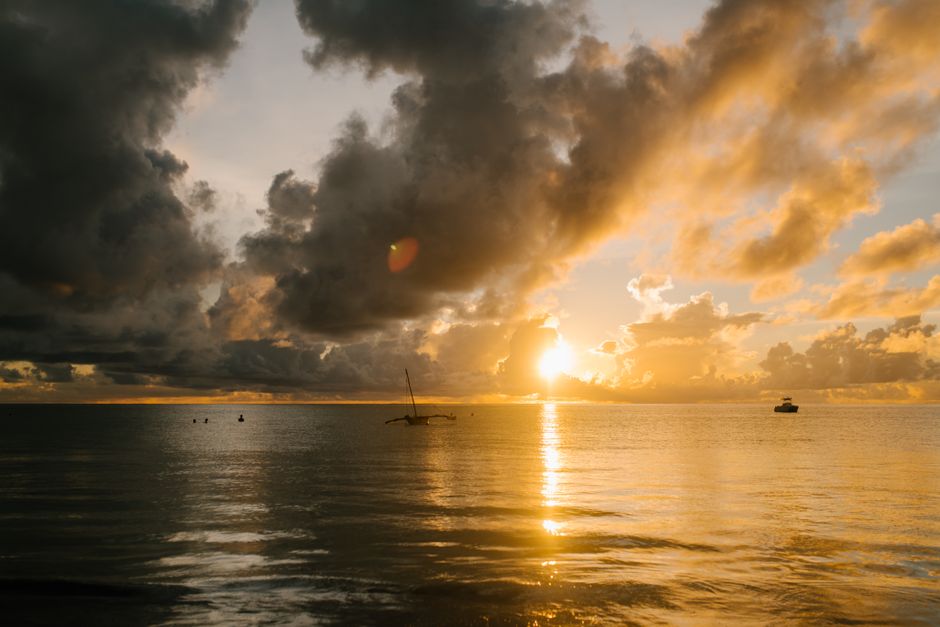
Spend two nights in Stone Town, one night near a spice farm or central-west coast, and three nights on a quiet beach. This gives the island’s history enough time to register without turning the trip into a sequence of long car rides.
A practical late-May itinerary
| Day | Base | Main plan | Weather-safe backup |
|---|---|---|---|
| 1 | Stone Town | Arrival, hotel check-in, Forodhani Gardens after sunset | Old Fort, covered markets, Swahili dinner |
| 2 | Stone Town | Early walking tour, House of Wonders area, harbour | Indoor heritage stops and a long lunch |
| 3 | Stone Town or central west | Morning spice farm visit, then transfer | Move the farm tour to the next dry morning |
| 4 | Quiet beach | Beach walk, swimming near high tide, sunset | Massage, cooking lesson, or slow café afternoon |
| 5 | Quiet beach | Boat or snorkelling trip only after checking conditions | Village walk and tide-led beach time |
| 6 | Near departure route | Short beach morning, then airport transfer | Leave extra road time after overnight rain |
Why this order works
Stone Town is the best first base because it gives you a strong cultural start and keeps the arrival day simple. You can reach the old city from the airport quickly compared with crossing the island immediately after a flight. It also gives you indoor options when weather changes.
Do the spice farm between Stone Town and the coast, rather than making a separate return journey. Kizimbani and other central plantations are best treated as a half-day experience: leaves, roots, fruit tasting, clove history, and a local lunch if included. A tour often lasts around two to three hours, excluding transport.
Finish on the coast. If rain affects the beach portion, you still have the strongest cultural memories already secured. That is a better risk calculation than putting Stone Town at the end and hoping the roads, ferries, and weather cooperate.
Late May Is Worth It Only If You Accept the Weather
Late May is a smart choice for travellers who value empty lanes, green landscapes, lower pressure, and flexible days, but it is the wrong choice for anyone booking Zanzibar solely for uninterrupted sun, daily boat trips, and guaranteed turquoise water, because the island is still crossing from the wet season into the drier months and a forecast can change the shape of a day faster than any carefully edited travel photograph suggests.
The strongest version of the trip uses rain as a scheduling tool: walk Stone Town early, visit the spice farm before the heat builds, keep a covered restaurant or heritage site ready for a downpour, and reserve the clearest morning for the sea; that approach protects the trip’s best experiences without pretending that late May behaves like July.
My verdict is clear: choose late May for a slower, quieter Zanzibar with culture at the centre, but book fewer non-refundable activities and avoid planning every afternoon around the beach.
How to Make the Rain Work for You

Do not sit in a room refreshing the forecast. Build the trip around activities that improve when the weather changes.
- Start outdoor plans early. Stone Town is more comfortable before the midday heat, and a morning walking tour leaves room for rain later. Begin with the waterfront, the old market area, and the lanes around the former sultanate buildings.
- Schedule the spice farm before lunch. The plantations are exposed, humid, and active with insects. Morning gives you better light, cooler conditions, and a cleaner backup plan if rain arrives later.
- Keep one full day open. Do not fill all six days with prepaid tours. Use the open day for the clearest forecast, especially if you want snorkelling, a sandbank trip, or a sunset cruise.
- Read the beach before swimming. On many east-coast beaches, low tide can pull the sea far from shore. The exposed reef and sand are interesting, but they are not a substitute for deep-water swimming. Ask your hotel for the daily tide times.
- Carry a dry bag. A phone, passport copy, cash, and camera can be ruined by one sudden shower. A small roll-top bag is more useful than a large suitcase full of clothes you will not wear.
- Use flexible road timing. Wet roads, village traffic, and slow transfers can turn a short route into a long one. Avoid scheduling an international flight immediately after a cross-island drive.
The mistake to avoid is treating a weather app as a promise. Tropical forecasts often show rain because a short shower is possible, not because the island will be wet from breakfast until bedtime.
Which Zanzibar Beach Suits a Quiet Trip?
Is Kendwa the safest choice for easy swimming?
Yes. Kendwa is my pick for travellers who want a quiet beach without losing reliable access to the sea. It sits on the northwest coast, where tidal changes are usually less disruptive than on the open east coast. The beach is not deserted, and some evenings become lively, but it is a stronger swimming base than a remote east-coast stretch in late May.
Choose Kendwa when the sea matters more than total isolation. You can still find peaceful mornings, long walks, and sunsets, while keeping a better chance of swimming outside a narrow tide window.
Should you choose Paje or Jambiani?
Choose Paje or Jambiani for a broader, more local-feeling beach landscape and a slower village atmosphere. The trade-off is the tide. At low water, the ocean may retreat a long distance, leaving seaweed beds, reef flats, and working boats in view. The beach becomes excellent for walking and observing local life, but poor for casual swimming.
Paje makes more sense for people interested in kiteboarding, cafés, and a social scene. Jambiani is the calmer choice for a low-key stay. Neither is the best answer if you want to step into deep water at any hour.
What about Matemwe or Michamvi?
Matemwe suits travellers who want a quieter northeast base with access to reef excursions, but boat conditions still depend on wind and sea state. Michamvi offers a more secluded feel and strong sunset views because of its position on the peninsula. Both can work beautifully in late May, provided you treat water activities as forecast-led rather than guaranteed.
The east coast tide can move the shoreline up to two kilometres at low water in some places. Check the daily chart instead of trusting a hotel photograph. The east-coast beach guide gives useful context on the difference between swimming, walking, and reef viewing.