I’ve been traveling the UK coast for years, chasing that perfect blend of charm, history, and genuine relaxation. More often than not, I’ve found myself in places that promise authenticity but deliver overpriced coffee and endless queues. It’s frustrating when you spend your hard-earned cash and precious time only to feel like you’re just another cog in a massive tourist machine.
You’re looking for a proper seaside experience, aren’t you? Not some generic, rehashed version of what a coastal town should be. You want character, good food, stunning views, and maybe a bit of history thrown in. But where do you even start when every other destination is shouting about being the next big thing?
Are You Tired of Overpriced, Overrun Coastal Getaways?
Let me tell you, I’ve been there. I’ve booked trips to places that look idyllic in photos, only to arrive and find them completely swamped. Think endless throngs of people, souvenir shops selling the same tat, and restaurants with inflated prices for mediocre food. It drains the joy right out of a vacation. I used to fall for the hype, thinking that if everyone was going there, it must be amazing. What I learned, often the hard way, is that popularity doesn’t always equal quality or a genuinely relaxing experience.
My biggest travel pet peeve? When a place loses its soul trying to accommodate too many visitors. The unique local shops disappear, replaced by national chains. The quiet beach coves become crowded photo ops. You end up paying a premium for a diluted experience. It’s a waste of time and money, and it leaves you feeling more stressed than when you started. That’s why I started digging deeper, looking for towns that hadn’t yet been completely swallowed by mass tourism. I wanted places where the local character still shone through.
The Allure of the Undiscovered (or Less Discovered)
There’s a real satisfaction in finding a gem that offers everything the popular spots do, but without the baggage. It’s not about exclusivity; it’s about authenticity. I’m talking about towns where the local fish and chip shop has been run by the same family for generations, where the pubs still feel like community hubs, and where the natural beauty hasn’t been overly commercialized. These places exist, and they offer a much richer experience for those willing to look past the top ten lists.
You get more space to breathe, more genuine interactions, and your money goes further. The pace is slower, the views are often just as good, if not better, and you leave feeling like you’ve actually been somewhere special. That’s the kind of travel I crave, and it’s the kind of experience I now actively seek out for myself and recommend to friends. I’ve wasted too many holidays on the alternative.
My Pet Peeve with “Trendy” Spots
Honestly, I cringe when I see articles pushing the “trendiest” coastal towns. They often become victims of their own success. Developers move in, property prices skyrocket, and the original charm gets paved over. The locals, who give the place its character, often get priced out. What you’re left with is a beautiful backdrop, sure, but one that feels hollow. It becomes a backdrop for Instagram, rather than a place to genuinely connect with. I prefer places that have stood the test of time, that have a rich history, and that haven’t tried to reinvent themselves every five years to keep up with fleeting trends.
The food scene often suffers too. Instead of fresh, locally sourced ingredients, you get generic pub grub or overpriced fusion. I want seafood caught that morning, not something flown in from across the continent. I want proper English puddings, not deconstructed desserts. My ideal trip involves good, honest food that reflects the region, and that’s harder to find in the places chasing every new fad.
Weymouth’s Authentic Charm Isn’t Just for Postcards
When I first visited Weymouth, I wasn’t expecting much. Another seaside town, I thought. But boy, was I wrong. Weymouth isn’t trying to be anything it’s not. It’s gloriously, unpretentiously itself. It has that classic British seaside feel, yes, but it’s underpinned by a depth of history and natural beauty that many other places simply can’t match. This isn’t a town that’s been manufactured for tourists; it’s a living, breathing place that happens to welcome visitors with open arms. The architecture, the harbour, the very air itself tells a story that stretches back centuries.
What struck me immediately was the sheer variety within such a compact area. You have the golden crescent of Weymouth Beach, renowned for its soft sand and safe, shallow waters. Then, just a stone’s throw away, you find the historic harbour, bustling with fishing boats, yachts, and the occasional tall ship. Beyond that, the dramatic cliffs of the Jurassic Coast begin, promising rugged walks and ancient history. It’s a place where you can switch from building sandcastles to exploring a Napoleonic fort, or even hunting for fossils, all within a single day. This kind of genuine diversity is rare, and it’s what keeps me coming back.
A Georgian Past, A Modern Vibe
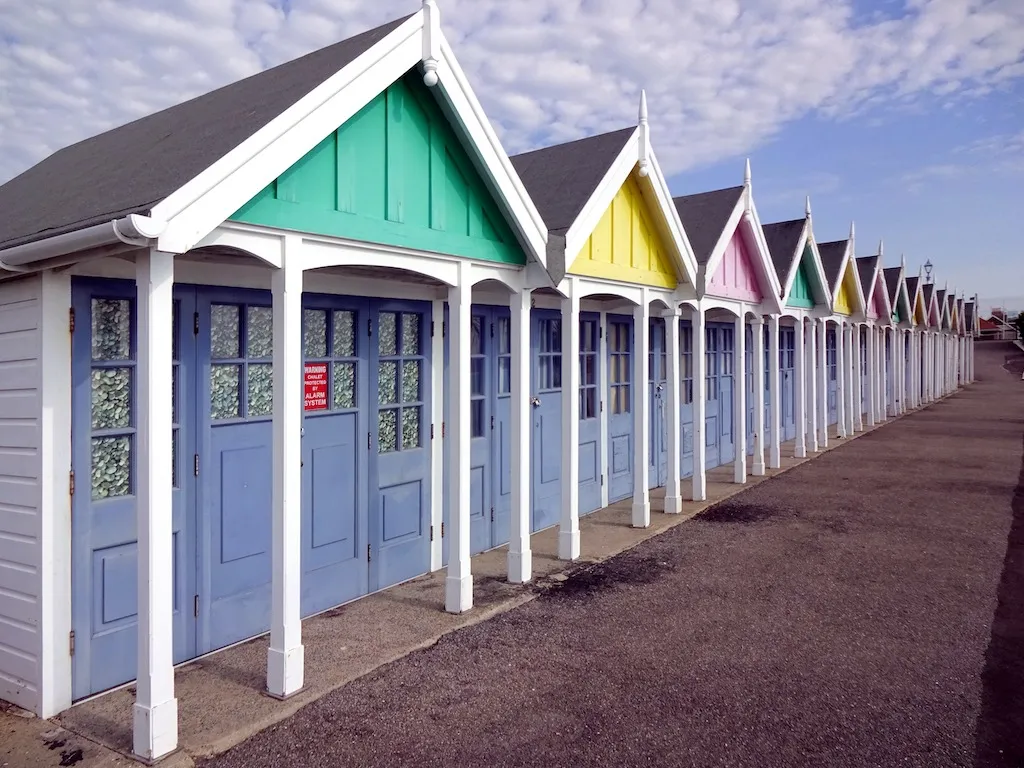
Weymouth’s history is palpable, particularly its Georgian heritage. King George III himself holidayed here, putting the town on the map as a fashionable resort. As you stroll along the Esplanade, you’re walking past rows of elegant, brightly painted Georgian townhouses. These aren’t just pretty facades; many are still residential or house charming guesthouses. The architecture speaks of a time when elegance and seaside leisure went hand-in-hand. You can almost picture ladies with parasols and gentlemen in their finest strolling along the promenade.
This historical backbone gives Weymouth a sense of permanence and dignity. It hasn’t chased every fleeting trend. Instead, it’s evolved organically, blending its past with modern conveniences without losing its identity. You’ll find traditional pubs next to contemporary cafes, and classic Punch and Judy shows sharing the beach with paddleboarders. It’s this seamless blend that makes Weymouth feel both timeless and vibrant. It’s a place that respects its roots while still offering everything a modern traveler might need.
Beyond the Golden Sands
While Weymouth Beach is undoubtedly a major draw – and deservedly so, it’s a fantastic beach – the town offers so much more. Just across the mouth of the harbour sits Nothe Fort, a Victorian fortress with a fascinating history and incredible panoramic views over Weymouth Bay and Portland Harbour. Exploring its tunnels and ramparts is a journey back in time, and the views from the top are easily some of the best in Dorset.
Then there’s the whole realm of the Jurassic Coast. This UNESCO World Heritage site starts right on Weymouth’s doorstep. A short walk or drive takes you to dramatic cliffs, hidden coves, and opportunities for serious fossil hunting. Places like Ringstead Bay or Durdle Door, while requiring a bit of travel, are easily accessible for a day trip. Even closer, the unique shingle spit of Chesil Beach stretches for 18 miles, ending at the rugged Isle of Portland, with its iconic Portland Bill lighthouse. You get the gentle, family-friendly beach experience, and then, if you want it, the raw, untamed power of the ancient coastline. It’s a dual offering that few other places can provide with such ease.
My Top Weymouth Activities That Never Miss
I’ve visited Weymouth enough times to have a solid list of go-to activities. These aren’t necessarily the flashiest things, but they are the experiences that consistently deliver that authentic Weymouth vibe and make me want to return. If you’re looking for genuine value and memorable moments, skip the generic tourist traps and try these. They showcase the best of the town without breaking the bank or feeling like a manufactured experience.
- Strolling the Historic Harbour and Old Town: This is non-negotiable for me. I start early, grab a coffee from one of the small independent cafés along the quayside, and just watch the fishing boats come and go. The smell of the sea, the creak of the masts, the chatter of the gulls – it’s pure therapy. Then, I wander into the Old Town, exploring the narrow, winding streets behind the harbour. You’ll find quirky shops, historic pubs, and beautifully preserved buildings. It’s a completely different atmosphere from the beach promenade, full of character and hidden gems. Don’t rush it. Take your time to soak it all in.
- Exploring Nothe Fort: This Victorian fort (expect to pay a small admission fee, usually under £10 per adult) offers an incredible insight into military history, but it’s the views that are truly breathtaking. I spend at least two hours here, exploring the labyrinthine tunnels, checking out the displays, and simply sitting on the ramparts, gazing out over the English Channel. On a clear day, you can see for miles, from the white cliffs of Batcombe to the rugged expanse of Portland. It’s a history lesson and a scenic viewpoint rolled into one.
- A Journey Along the Jurassic Coast: While Weymouth Beach is fantastic for swimming and sunbathing, you absolutely must experience the raw beauty of the Jurassic Coast. I usually take the coastal path towards Osmington Mills or Ringstead Bay. You don’t need to be an experienced hiker; there are plenty of gentle stretches. The geology is stunning – layers of rock telling millions of years of Earth’s history. Keep an eye out for fossils; I’ve found small ammonites just lying on the beach after a high tide. The air is fresh, the views are dramatic, and you feel truly connected to something ancient.
- Beach Day Done Right on Weymouth Beach: Yes, it’s a popular beach, but for good reason. It’s a massive stretch of golden sand – about 3 miles long – and the water is incredibly clean and shallow, perfect for families. My tip: walk a little further east or west from the main central area to find slightly quieter spots. Rent a deckchair (a classic British seaside tradition!), grab an ice cream, and just relax. The traditional donkey rides and Punch and Judy show are still there, adding to the nostalgic charm. It’s seaside leisure perfected, without the aggressive commercialism of some other resorts.
- Visiting the Isle of Portland: Just south of Weymouth, connected by the causeway of Chesil Beach, lies the rugged Isle of Portland. It’s a completely different world. Famous for its stone, which built St. Paul’s Cathedral, Portland is wilder, more windswept. I always visit Portland Bill lighthouse (there’s a small visitor centre and café). The views of the turbulent seas meeting the land are dramatic. It’s also a fantastic spot for birdwatching and exploring unique quarry landscapes. It’s a powerful contrast to Weymouth’s gentle bay.
Forget the Crowds: Weymouth vs. the Overhyped UK Coast
I’ve heard all the buzz. “You HAVE to go to [insert trendy coastal town here]!” people say. And I’ve been. Many times. While some of these places are undeniably beautiful, they often come with a hidden cost: crowds, inflated prices, and a distinct lack of genuine character. They’ve been Instagrammed into oblivion, and the experience rarely lives up to the polished photos. That’s why I consistently recommend **Weymouth** as the smarter choice. It offers everything you want from a coastal break, but without the usual downsides. It’s the kind of place where your travel memories feel truly earned, not just curated.
Here’s a quick comparison of what you often get elsewhere versus what Weymouth reliably delivers. This isn’t to bash any specific destination, but to highlight a pervasive problem I’ve encountered time and again in popular spots.
| Feature | Typical Overhyped Coastal Town | Weymouth |
|---|---|---|
| Atmosphere | Overrun, manufactured, chain-heavy, loud | Authentic, relaxed, independent shops, family-friendly |
| Beach Quality | Often small, stony, or crowded; commercialized piers | 3-mile golden sand beach, shallow waters, traditional charm, clean |
| Cost of Stay | Premium prices for accommodation and dining, limited budget options | Good value hotels/B&Bs, diverse dining options, reasonable prices |
| Historical Depth | Limited, or historical sites feel sanitized/over-commercialized | Rich Georgian & Victorian history, accessible Nothe Fort, historic harbour |
| Natural Beauty | Often specific, limited viewpoints; difficult to escape crowds | Stunning Bay views, direct access to **Jurassic Coast** (UNESCO), Isle of Portland |
| Accessibility | Can be difficult by car, limited public transport, expensive parking | Excellent road & rail links, ample parking, walkable town centre |
You can see the pattern, right? For me, the choice is clear. I’ve spent too many holidays feeling like I overpaid for an underwhelmed experience. Weymouth consistently delivers on its promises of a genuine, enjoyable seaside escape, and it does so without demanding an arm and a leg.
Value You Can Actually Feel
It’s not just about the numbers, though Weymouth generally offers better prices across the board for accommodation and food compared to its trendier counterparts. It’s about the perceived value. When I’m in Weymouth, I feel like my money is well spent. A fantastic fish and chip supper on the harbour costs a reasonable amount, and it’s fresh, locally sourced, and delicious. The bus fare to Portland is cheap, and the views you get are priceless. You’re paying for quality and authenticity, not just location or hype.
You can find good quality guesthouses and B&Bs that offer excellent service without the exorbitant price tags you might encounter in Cornwall or parts of the South Downs. This allows you to stay longer, explore more, and simply relax without constantly worrying about your budget. That feeling of ease and affordability significantly enhances the entire holiday experience. It’s a practical consideration that makes a big difference in how much you enjoy your trip.
The Real Deal on Accessibility
Accessibility is another crucial factor. Some of the more remote, “picture-perfect” coastal towns are a nightmare to get to, especially if you’re relying on public transport or hate navigating tiny, winding roads in a car. Weymouth, by contrast, is incredibly well-connected. It has its own train station with direct links to London Waterloo, making it an easy journey from the capital. If you’re driving, the A35 and A37 provide straightforward access.
Once you’re there, the town centre, harbour, and beach are all incredibly walkable. Buses run regularly to nearby attractions like the Isle of Portland or further along the coast. This ease of access means less stress getting there, and more time enjoying your actual holiday. You don’t need a car to have a fantastic time, which is a huge bonus for many travelers. It’s designed for people to enjoy, not just for cars to pass through.
Getting the Most Out of Your Weymouth Adventure: Insider Picks
After multiple trips, I’ve picked up a few things that help make a Weymouth visit truly shine. These aren’t secrets, but they are insights that can elevate your experience from good to absolutely fantastic. You’re looking for that edge, that bit of knowledge that only comes from repeated visits, and I’m happy to share it. These are my final pieces of advice to ensure your trip is as memorable as mine have been.
When’s the Best Time to Visit?
Honestly, Weymouth shines almost year-round, but my absolute favourite time is late Spring (May/early June) or early Autumn (September/early October). The weather is usually pleasant – mild temperatures, fewer rainy days – but you avoid the peak summer crowds of July and August. The sea is still warm enough for a dip in September, and the light is often spectacular for photography. Plus, accommodation prices are usually a little lower. If you don’t mind cooler weather and fewer daylight hours, winter walks along the beach can be incredibly atmospheric, followed by a warm drink in a cozy pub. I’ve enjoyed trips in all seasons, but those shoulder months hit the sweet spot for me.
How Do I Get Around?
Weymouth town centre, the harbour, and the main beach are all very walkable. You’ll be able to explore most of the key attractions on foot. For venturing further afield, I always recommend the local bus services. They are reliable and connect Weymouth to places like Portland, Dorchester, and other spots along the Jurassic Coast. If you’re planning day trips to more remote coves or specific points on the Jurassic Coast, having a car gives you maximum flexibility, but it’s not essential. Parking in town can be busy during peak season, so consider parking on the outskirts and walking in, or utilizing public transport. Walking is often the best way to uncover its true charm.
What About Food and Drink?
Weymouth has a solid food scene, and it caters to all budgets. My advice? Embrace the seafood. You’re right on the coast, so the fish is incredibly fresh. Look for local establishments, especially those down by the harbour. You can’t go wrong with a classic fish and chips from a reputable chippy. The pubs are excellent too – many offer good pub grub alongside local ales. Don’t expect Michelin stars, but do expect hearty, honest, and delicious food. I always make a point of trying a traditional cream tea somewhere with a view of the bay. For groceries, there are plenty of supermarkets in and around town if you prefer to self-cater. You’ll find something for every taste, without needing to overspend.
Weymouth, for me, isn’t just a destination; it’s a feeling. It’s the comfort of tradition, the thrill of discovery, and the simple joy of a truly great seaside escape. It reminds you that sometimes, the best places aren’t the ones screaming for attention, but the ones quietly offering an unforgettable experience. Go and see for yourself. You won’t regret it.