
Recent data from the Bureau of Transportation Statistics indicates that while Miami International Airport (MIA) has seen a consistent 12% increase in average domestic fares over the last 24 months, it remains one of the most competitive markets in the United States. This paradox exists because of the unique proximity of Fort Lauderdale-Hollywood International (FLL), which acts as a price stabilizer for the entire South Florida region. For the analytical traveler, securing cheap flights to Miami is not a matter of luck or clearing browser cookies; it is a matter of understanding the logistical interplay between these two major hubs and the seasonal demand cycles that govern the North Atlantic and Latin American flight paths.
When is the cheapest time to fly to Miami?
To identify the most cost-effective window for travel, one must analyze the intersection of weather patterns and the regional event calendar. Historically, the most expensive period to fly into South Florida spans from late December through the end of March. During this window, demand from “snowbirds” in the Northeast and Midwest peaks, coinciding with major events like Art Basel and the South Beach Wine & Food Festival. Fares during these months frequently exceed the annual average by 40% to 60%.
Conversely, data suggests that the period from August through October offers the lowest base airfare. This coincides with the peak of the Atlantic hurricane season and the highest humidity levels in Florida. While the weather risks are higher, the financial savings are quantifiable. A standard round-trip ticket from New York (JFK) to Miami (MIA) that costs $350 in February often drops to $120 in September. For those who prefer a balance of favorable weather and lower costs, the “shoulder seasons” of May and early November are the most logical choices. During these weeks, the humidity has either not yet peaked or has begun to recede, and the winter crowds have not yet arrived.
Mid-week departures remain the standard for cost reduction. Analyzing Tuesday and Wednesday departures versus Friday and Sunday returns consistently reveals a price delta of approximately 25%. For travelers with flexible schedules, utilizing a 21-day advance booking window remains the most reliable strategy to avoid the “last-minute” premium pricing that airlines apply to business travelers frequenting the Miami financial district.
Monthly Price Variance for Miami Airfare
| Month | Average Price Index | Demand Level |
|---|---|---|
| January | High | Peak |
| May | Moderate | Shoulder |
| September | Low | Off-Peak |
| November | Moderate | Shoulder |
MIA vs. FLL: Which airport offers the best total value?
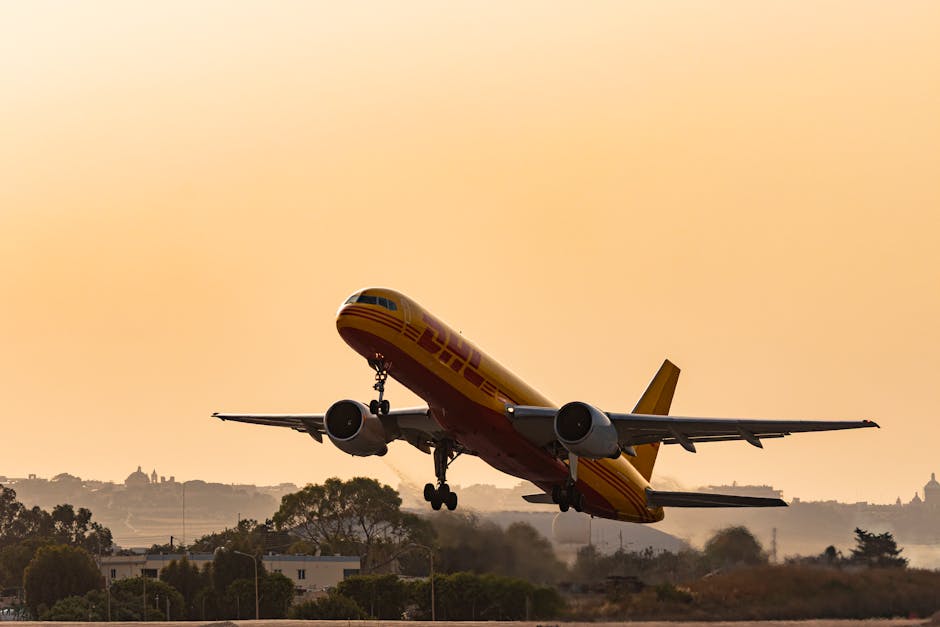
A common error in searching for cheap flights to Miami is focusing solely on the airport code MIA. While Miami International Airport is geographically closer to the city center and South Beach, Fort Lauderdale-Hollywood International Airport (FLL) often serves as the primary base for low-cost carriers (LCCs) like Spirit, JetBlue, and Southwest. The choice between the two airports should be based on a total-cost-of-transit analysis rather than the sticker price of the ticket alone.
If a flight to FLL is $50 cheaper than a flight to MIA, the traveler must account for the cost of ground transportation. An Uber or Lyft from FLL to South Beach typically costs between $45 and $70 depending on surge pricing. In contrast, a ride from MIA to the same destination ranges from $20 to $35. However, the introduction of the Brightline high-speed rail and the Tri-Rail commuter system has shifted this dynamic. A Tri-Rail ticket from FLL to Miami costs under $5, though it requires a shuttle transfer and significantly more time. The Brightline offers a premium experience for approximately $15-$25, connecting Fort Lauderdale directly to Brightline MiamiCentral in the heart of downtown.
Logistically, MIA is a major hub for American Airlines, which controls over 70% of the gate space. This dominance often leads to higher prices on direct routes. FLL, however, benefits from intense competition between multiple low-cost carriers. For international travelers coming from Europe or South America, MIA is almost always the more logical choice due to the volume of direct long-haul flights and the efficiency of its Customs and Border Protection (CBP) facilities. For domestic travelers, the $50-$100 savings often found at FLL frequently outweighs the additional 30 minutes of transit time.
Ground Transportation Cost Comparison
- Rideshare (Uber/Lyft): MIA to South Beach (~$28); FLL to South Beach (~$55).
- Public Rail (Tri-Rail): FLL to Miami Airport Station (~$3.75 – $5.00).
- High-Speed Rail (Brightline): Fort Lauderdale Station to MiamiCentral (~$15+).
- Express Bus (Line 150): MIA to South Beach (~$2.25).
Which airlines provide the most consistent savings to Miami?
The airline landscape in South Florida is bifurcated between legacy carriers and ultra-low-cost carriers (ULCCs). American Airlines operates its primary Latin American gateway out of MIA, meaning they offer the highest frequency of flights. While frequency often correlates with higher prices, it also provides the most protection during delays or cancellations. For the value-conscious traveler, the goal is to find the “sweet spot” where service reliability meets competitive pricing.
Spirit Airlines and Frontier Airlines are the dominant players for raw price floor. It is not uncommon to find round-trip fares to FLL for under $60 from major hubs like Atlanta or Philadelphia. However, these airlines utilize an unbundled pricing model. Once a carry-on bag fee ($50+) and seat selection fee ($20+) are added, the “cheap” flight often matches or exceeds the price of a standard economy ticket on Delta or United. Travelers should only utilize ULCCs if they can travel with a single personal item and do not require specific seat assignments.
JetBlue and Southwest offer a middle-ground alternative. Southwest is particularly notable for its “two bags fly free” policy, which can save a family of four over $200 in ancillary fees. JetBlue provides more legroom in standard economy than most competitors, which is a significant factor for flights exceeding three hours. When evaluating airline value, one must look at the total cost of the journey, including baggage, snacks, and the likelihood of on-time arrival. Data shows that Delta Air Lines consistently ranks highest for on-time performance into MIA, which can be a critical factor for travelers with tight connections to cruises departing from PortMiami.
Reliability has a financial value. A $20 savings on a budget carrier is negated if a four-hour delay causes you to miss a pre-paid excursion or a cruise departure.
Financial strategies to reduce Miami airfare costs

Beyond simple search queries, leveraging financial tools and credit card rewards is the most effective way to subsidize the cost of Miami flights. Many travelers overlook the impact of co-branded airline cards or general travel reward cards that offer high-value sign-up bonuses. For example, cards within the Chase Sapphire or American Express Gold ecosystems allow users to transfer points to partner airlines that serve MIA and FLL, such as British Airways (for American Airlines flights) or JetBlue.
A strategic traveler should monitor the “effective cost” of their flight by factoring in the rewards earned. Using a dedicated travel card for the purchase often provides 3x to 5x points per dollar spent, effectively offering a 5% to 8% rebate on the flight cost. Furthermore, these cards often include travel insurance and baggage delay protection, which are essential when flying into a region prone to weather disruptions. In the context of finance-related travel planning, maintaining a high credit score allows access to these premium cards, which often waive baggage fees—a savings of $60 to $120 per round trip for a couple.
Another often-ignored tactic is the use of “hidden city” ticketing or “multi-city” searches. However, these come with risks, such as the inability to check bags. A more reliable financial move is to utilize price tracking tools that monitor specific routes and alert the user when the price drops below the historical average. This removes the emotional component of booking and relies purely on market fluctuations. For those traveling for business, using a corporate card that integrates with expense management software can also streamline the process of reclaiming VAT or other travel-related taxes, further reducing the net expenditure.
Recommended Financial Tools for Travelers
- Travel Rewards Credit Cards: Options like the Chase Sapphire Preferred or Amex Platinum offer points that can be redeemed for Miami flights. Pro: High redemption value. Con: Annual fees can be significant ($95 – $695).
- Budgeting Apps: Tools that sync with your bank to track travel spending. Pro: Prevents overspending. Con: Requires manual categorization.
- Price Trackers: Services that email you when Miami fares hit a specific target. Pro: Passive savings. Con: Can lead to booking fatigue.
Essential gear and tech for the Miami flight experience

The flight to Miami is often characterized by high passenger density and varying cabin temperatures. To maintain productivity or comfort during the transit, specific gear is recommended. The Calm Expert approach prioritizes utility and durability over aesthetics. Noise-canceling technology is not a luxury in this context; it is a necessity for mitigating the ambient noise of a full narrow-body aircraft.
Sony WH-1000XM5 Noise-Canceling Headphones (Approx. $348). These are widely considered the benchmark for active noise cancellation. Pro: Exceptional battery life (30 hours) and industry-leading sound isolation. Con: The non-folding design takes up more space in a carry-on than previous models. For travelers on shorter regional hops to Miami, these headphones allow for a focused environment, whether working or resting.
Luggage choice also impacts the total cost and ease of the trip. The Samsonite Freeform Hardside Carry-On (Approx. $150) is a pragmatic choice for the Miami traveler. Pro: Extremely lightweight and fits within the strict overhead bin dimensions of most LCCs. Con: The polycarbonate shell is prone to scuffing over time. Choosing a carry-on that maximizes the allowed dimensions ensures that you avoid the $50+ checked bag fees that many airlines now charge at the gate.
Finally, connectivity is a critical component of the modern travel experience. While most major carriers offer roaming in Florida, international visitors should consider a dedicated eSIM or a local SIM card to avoid exorbitant data charges. For domestic travelers, ensuring your mobile plan includes hotspot data is vital for navigating the ground transportation options at MIA or FLL upon arrival. High-speed data allows for real-time tracking of the Brightline train or checking the status of your hotel check-in while still on the tarmac.
Comparison: Top Travel Tech for Miami Routes
| Product | Primary Benefit | Estimated Price | Target User |
|---|---|---|---|
| Sony WH-1000XM5 | Noise Isolation | $348 | Frequent Flyers | Fee Avoidance | $150 | Budget-Conscious |
| Anker PowerCore 24K | Device Longevity | $140 | Business/Tech Users |
In conclusion, finding cheap flights to Miami is a logistical exercise that requires a data-driven approach to timing, airport selection, and airline choice. By analyzing the total cost of the journey—including ground transit and ancillary fees—and leveraging financial tools to offset the base fare, travelers can significantly reduce their expenditure. Miami remains a high-demand destination, but for those who understand the mechanics of the South Florida aviation market, it does not have to be an expensive one. The evidence is clear: flexibility in airport choice and a disciplined approach to booking windows are the most effective levers for cost control.