
April and May. That’s the answer most Turkey regulars give without hesitation. But the full picture depends heavily on which part of Turkey you’re going to — because Istanbul, Cappadocia, and the Aegean coast behave like three different countries when it comes to climate and crowd dynamics.
Here’s the full breakdown, region by region and month by month.
The Month-by-Month Turkey Timing Table
Below is the raw data for Istanbul and Antalya (representing the Turkish coast), with crowd and price indicators. The price scale is relative to Turkey’s own market — even peak-season Turkey often undercuts comparable European summer destinations significantly.
| Month | Istanbul Temp | Antalya Temp | Crowd Level | Relative Hotel Price | Best Use |
|---|---|---|---|---|---|
| January | 9°C (48°F) | 12°C (54°F) | Low | $ | Budget city trips, quiet museums |
| February | 9°C (48°F) | 13°C (55°F) | Low | $ | Istanbul without the queues |
| March | 12°C (54°F) | 17°C (63°F) | Low–Medium | $$ | Ephesus, early coastal warmth |
| April | 16°C (61°F) | 21°C (70°F) | Medium | $$ | Cappadocia, Istanbul, mild coast |
| May | 21°C (70°F) | 26°C (79°F) | Medium–High | $$–$$$ | Peak sweet spot — everything works |
| June | 26°C (79°F) | 31°C (88°F) | High | $$$ | Beach holidays, Bodrum nightlife |
| July | 28°C (82°F) | 34°C (93°F) | Peak | $$$$ | Beach only — avoid city sightseeing |
| August | 28°C (82°F) | 34°C (93°F) | Peak | $$$$ | Beach only — same as July |
| September | 24°C (75°F) | 30°C (86°F) | High | $$$ | Coast and ruins, crowds easing mid-month |
| October | 20°C (68°F) | 25°C (77°F) | Medium | $$ | Everything — second-best window |
| November | 15°C (59°F) | 19°C (66°F) | Low | $ | City trips, Pamukkale thermal pools |
| December | 10°C (50°F) | 14°C (57°F) | Low | $ | Istanbul in the festive season |
One pattern worth noticing: September shows “High” crowds but prices are already falling. European school years restart in early September, so the family beach crowd drops sharply — but overall numbers stay elevated from independent travelers who deliberately avoided the July peak. Book after September 10 and you can often land the tail end of summer weather at rates 20–25% below August.
Reading the Price Scale in Context
Even Turkey’s $$$$ peak pricing undercuts comparable European summer destinations. An Antalya resort room hitting €100 a night in July is still considerably cheaper than a Santorini guesthouse at €350. Turkey’s overall value doesn’t disappear in high season — the gap between seasons compresses, but it doesn’t close.
The September Sleeper
It doesn’t show up as the obvious pick in most timing guides, but late September consistently outperforms expectations. Sea temperatures around 25°C, coastal towns thinning out after the first week, and — crucially — flight prices already moving toward shoulder-season levels while the weather stays genuinely warm. Fethiye and the Turquoise Coast in late September is a better beach trip than August for most travelers who aren’t specifically chasing nightlife.
The Verdict, Unambiguously
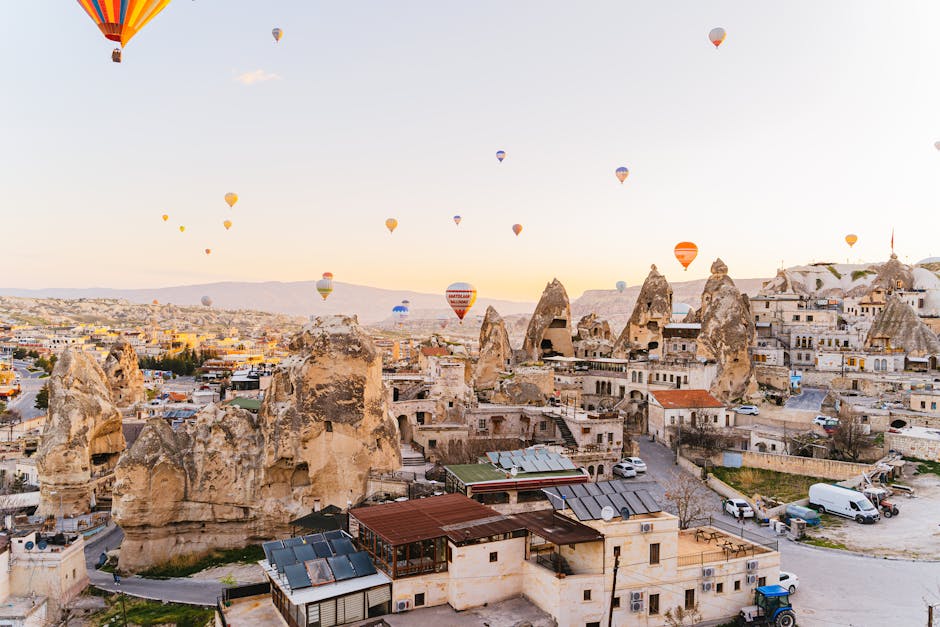
Late April through mid-May is the best time to visit Turkey for most itineraries. Hot air balloon flights over Cappadocia run on consistent schedules, Topkapi Palace and the Grand Bazaar have manageable crowds, the coast is warm enough for swimming, and Turkish Airlines domestic fares between Istanbul and Cappadocia are at their lowest point of the year. September and early October are a close second for anyone who misses the spring window — warmer coast, thinner crowds than peak summer, and prices already dropping.
Regional Breakdown: Istanbul, Cappadocia, and the Coast Are Not the Same Trip
The planning mistake that ruins Turkey itineraries most reliably is treating the whole country as a single climate zone. What’s ideal for Göreme is a bad call for Bodrum. Here’s how each major region breaks down separately.
Istanbul: Pick for Weather, Not for Crowds — It’s Always Busy
Istanbul doesn’t have a true off-season. The Hagia Sophia, Topkapi Palace, the Grand Bazaar, and the Bosphorus cruise lines pull visitors every single month of the year. That means crowds never drop to zero — but they do drop significantly in January and February.
Winter Istanbul sits around 9–10°C. Cold enough to need a coat, not cold enough to cancel outdoor sightseeing. The upside is real: no queues at Topkapi, decent hotels in Sultanahmet going for under €60 a night, and the city’s actual character comes through. Fish sandwich vendors at Galata Bridge, tea houses near the spice market, the ferry across to Kadıköy on the Asian side running without the summer tourist crowd — Istanbul in January feels like a city, not a theme park version of one.
Summer Istanbul (July–August) runs 28–30°C with Bosphorus humidity on top. The major sites get genuinely overwhelming. The line for the Hagia Sophia hits 45 minutes by 10am in peak season. If July is your only option, arrive at every major site at opening time. Before 9am, Istanbul functions differently.
The underrated pick: November. Around 15°C, almost no international tourist traffic, and Istanbul’s street food scene — simit rings, roasted chestnuts at every corner, pomegranate juice pressed to order — feels authentic rather than staged. It’s one of the most pleasant urban travel experiences in Europe at that time of year.
Cappadocia: Spring and Fall Only — Summer Is the Wrong Call
Hot air balloon flights are the main reason most visitors make the Cappadocia detour, and the balloon operators are where the summer problem shows up most clearly. Royal Balloon and Kapadokya Balloons — the two companies with the most consistent safety records and highest completion rates — both deal with significantly elevated cancellation rates in July and August. Morning thermals in high summer are less stable than in spring and fall, which means you can spend three nights in Göreme and never get airborne. That’s not a rare outcome; it’s a documented pattern that repeat visitors know to avoid.
April–May is when conditions are most reliable. Temperatures sit at 15–20°C, the rose and red valleys are at their most vivid coloring before summer bleaches them out, and hiking between the fairy chimneys is genuinely pleasant rather than a sweaty endurance test. Book balloon flights 3–4 weeks ahead for any spring dates — they sell out, especially in late April and early May.
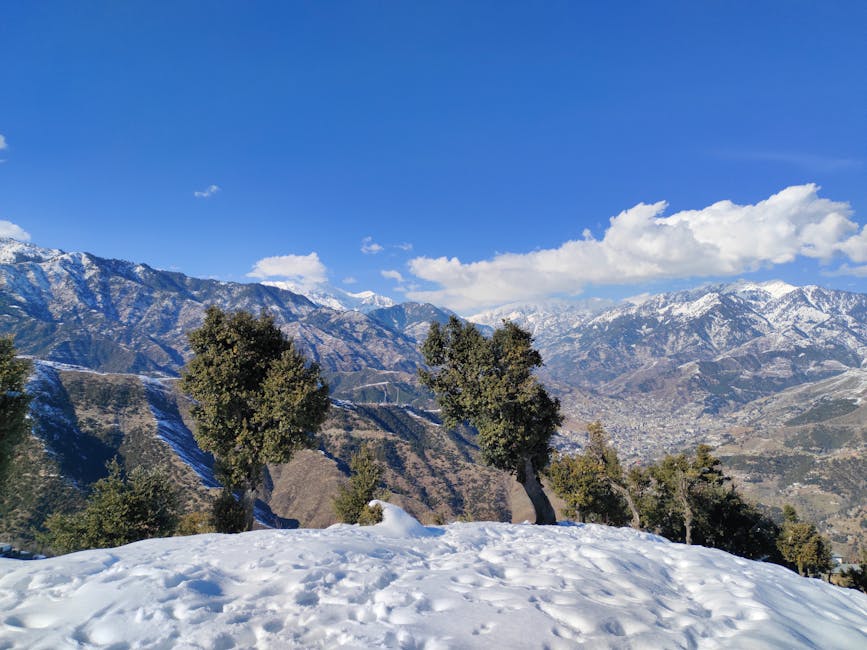
Cappadocia in winter (December–February) gets genuine snowfall. The tuff formations capped in white look extraordinary in photos, and it’s a completely different visual experience from what you see in summer brochures. But balloon flights cancel more in winter than in any other season, and some cave hotels reduce services or close entirely. Go in winter specifically for the snow landscape and accept the balloon flight probably isn’t happening. If the balloon is the priority, April is the correct answer.
The Turkish Coast (Bodrum, Fethiye, Antalya): Summer Is Fine, But Price Yourself In
Unlike the rest of Turkey, the Aegean and Mediterranean coast is genuinely designed for July and August. Beach clubs are fully operational, gulet charters depart daily from Bodrum, and Ölüdeniz’s Blue Lagoon is doing exactly what it was built to do. Sea temperatures hit 26–28°C. The sunsets over the Aegean from Bodrum’s castle are worth whatever crowds come with them.
The cost is real. A gulet charter from Bodrum that runs around €1,500 for a week in May can hit €3,000+ in late July. The ruins at Ephesus — one of the most impressive archaeological sites anywhere in the Mediterranean, and worth every minute you spend there — become a 35°C ordeal with tour groups backed up through the main gate. Early morning or late afternoon visits are the only way to manage Ephesus in summer heat. The site opens at 8am; be there then.
September is the underrated coast pick. Sea temperature around 25°C, the resort infrastructure still fully running, prices already dropping from the August peak, and genuine availability at properties that were fully booked six weeks earlier. If your trip is coast-focused and July-August don’t fit, aim for the first three weeks of September.
Four Mistakes That Hurt Turkey Trips
- Assuming balloon flights can be booked on arrival in Cappadocia. Royal Balloon and Kapadokya Balloons book 2–4 weeks out during shoulder seasons. Travelers arriving in April or October expecting same-day availability regularly end up on waiting lists for their entire stay. Book before you leave home — this is non-negotiable for spring and fall travel.
- Not checking Ramadan dates before booking March travel. In 2026, Ramadan runs approximately March 1–30. Istanbul handles it without major disruption to international tourism. Smaller, less touristy towns see significant changes in restaurant hours, alcohol access, and the general atmosphere. Not a reason to avoid Turkey in March — a reason to research your specific destinations before assuming everything operates normally.
- Planning a July “see everything” itinerary. Istanbul in peak heat, potential balloon cancellations in Cappadocia, Ephesus at 35°C, and peak-season pricing across all three — the same itinerary in April or May costs less and runs smoother at every logistical point. Turkey’s regions are tempting to combine into one trip. Do it in spring.
- Missing the Kurban Bayramı travel surge. Eid al-Adha falls around June 6–10 in 2026. Domestic travel within Turkey spikes sharply — buses, flights, and coastal resorts fill with Turkish families on holiday. Foreign travelers arriving without advance bookings in this window often find nothing available at sensible rates. Plan around it or book far ahead.
Specific Questions Travelers Ask Before Booking Turkey

Is Turkey actually worth visiting in winter?
For Istanbul, yes — and not just as a budget fallback. Thin crowds, half the summer hotel rates, and a more textured urban experience than you get when the city is at full tourist capacity. The Museum Hotel Cappadocia, which runs $350–$450 a night in spring, drops below $150 in January. That property specifically — cave rooms cut directly into the volcanic tuff, unobstructed views over the valley from the terrace — is worth a stay at any time of year if the price point makes sense. Just don’t build a January Cappadocia trip around guaranteed balloon flights.
What’s the cheapest month to visit Turkey?
January and February, clearly. Turkish Airlines domestic routes between Istanbul and Cappadocia drop, coastal hotels run promotions they won’t touch in summer, and even well-located mid-range Istanbul hotels become genuinely affordable. The weather is mild enough to travel comfortably — it’s just not beach weather.
Where should I fly into first?
Istanbul Airport (IST) works as the hub for any Turkey itinerary. If your trip centers on the coast, fly direct into Antalya — there are solid direct connections from most European cities on Turkish Airlines and budget carriers, which saves a lengthy transit. For Cappadocia, the regional airports at Kayseri (ASR) and Nevşehir (NAV) save a 3-hour bus journey from Ankara. The connection through Istanbul adds around 90 minutes of flight time but eliminates the ground transfer, and the fare difference is often minimal.
How far in advance should I book for spring travel?
For April and May, book cave hotels in Cappadocia 6–8 weeks ahead. Istanbul hotels 4–5 weeks. Balloon flights with Royal Balloon or Kapadokya Balloons: 3–4 weeks minimum, longer for the last week of April and first two weeks of May when every operator runs at capacity. The spring window is Turkey’s most competitive booking period. Last-minute planning that works in other destinations doesn’t work here in April.