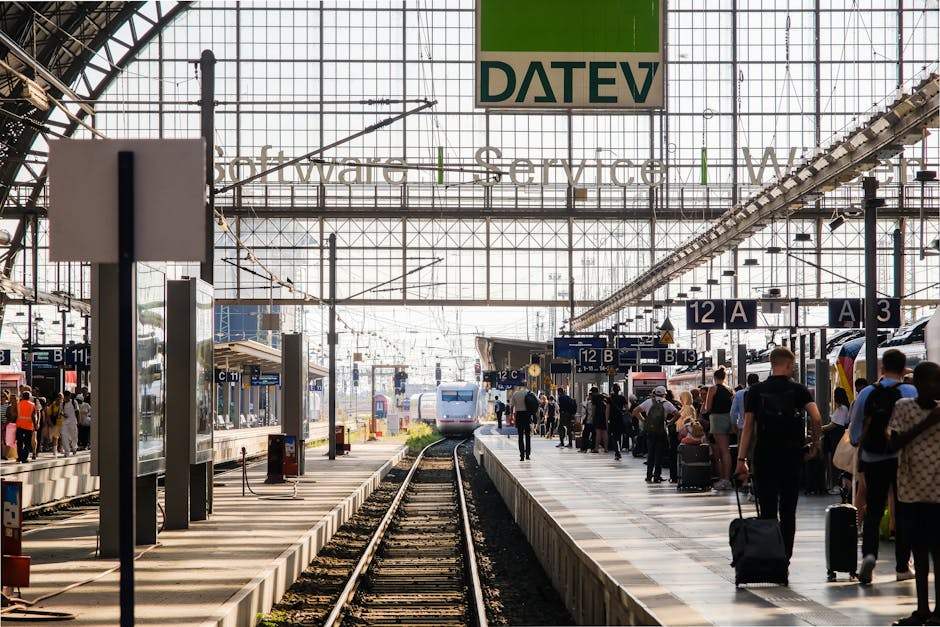
You board in Amsterdam at 6:41pm. You wake up in Barcelona. No airport queues, no 4am alarm, no afternoon lost to transit. That is the actual pitch for European sleeper trains — and in 2026, more routes are operating than at any point in the past two decades.
The revival is real. Austria’s Nightjet network now connects over 25 city pairs. The European Sleeper launched cross-border services connecting the Netherlands to Spain. Sweden’s Snälltåget runs nightly to Berlin. The Caledonian Sleeper still crosses Scotland every night. If you’ve been waiting for overnight rail to make a comeback on the continent, this is the window.
But the logistics are not obvious. Booking systems differ by country. Accommodation types vary dramatically in price and comfort. Some routes sell out weeks ahead. Here is exactly what you need to know.
The European Sleeper Train Network: Routes and Price Comparison
This is the current landscape. Prices below are approximate starting fares for the lowest available sleeping accommodation and fluctuate with demand and booking lead time.
| Operator | Key Routes | Journey Time | Starting Price (couchette) | Booking Site |
|---|---|---|---|---|
| Nightjet (ÖBB) | Vienna–Amsterdam, Vienna–Brussels, Vienna–Paris, Vienna–Rome, Zurich–Hamburg | 9–17 hours | From €39 | nightjet.com |
| European Sleeper | Amsterdam/Brussels–Barcelona, Brussels–Berlin | 12–15 hours | From €59 | europeansleeper.eu |
| Caledonian Sleeper | London Euston–Edinburgh, Glasgow, Aberdeen, Inverness, Fort William | 7–12 hours | From £50 (seated) | sleeper.scot |
| Snälltåget | Stockholm–Berlin, Stockholm–Hamburg, Stockholm–Malmö–Berlin | 14–15 hours | From SEK 499 (~€44) | snalltaget.se |
| SJ Night Train | Stockholm–Hamburg, Stockholm–Berlin (seasonal) | 14–16 hours | From SEK 599 (~€53) | sj.se |
| Trenhotel (RENFE) | Madrid–Lisbon, Barcelona–Granada, Madrid–A Coruña | 7–10 hours | From €39 | renfe.com |
| Intercités de Nuit (SNCF) | Paris–Toulouse, Paris–Briançon, Paris–Rodez, Paris–Latour-de-Carol | 5–10 hours | From €29 | sncf-connect.com |
A few things the table doesn’t capture: Nightjet is the dominant player by network size and reliability. ÖBB rolled out refurbished carriages across most routes by 2026, which meaningfully improved what had been an aging fleet. The European Sleeper is the newest operator and still expanding — service quality is generally solid, but occasional delays on the Spain corridor are documented. SNCF’s domestic night trains are consistently underrated and significantly cheaper than their cross-border counterparts.
Couchette, Economy Sleeper, or Private Cabin: What Each Actually Gives You
This is where most first-time sleeper passengers make the wrong choice — usually because they don’t understand the difference between accommodation classes until they’re already on the train and it’s too late to change.
Couchette (4 or 6 berths per compartment)
A couchette is a fold-down bunk in a shared compartment. On a 6-berth couchette, three bunks stack on each side of the narrow compartment. On a 4-berth, it’s two per side. You get a thin mattress, a pillow, a sheet, and a small blanket. Storage is a shared overhead rack or space under the lowest bunk.
You share with strangers. The door closes but does not lock from inside on most trains. The 6-berth configuration is tight — if you’re over 180cm tall, your feet touch the end wall. Nightjet’s refurbished couchettes are a step up from older European stock; the bedding is cleaner and ventilation better than the older reputation suggests. Starting around €39 on Nightjet routes, couchettes represent genuine value when you factor in the hotel night you’re saving.
Best for: solo travelers on a budget who sleep easily in new environments and don’t mind proximity to strangers.
Economy Sleeper (2 or 3 berths per compartment)
On Nightjet, this is called the “mini cabin.” Three berths per compartment, but the configuration is less cramped than a 6-berth couchette. You get the same bedding, a small fold-down table, and an electrical socket. Better air circulation, more personal space, roughly 30–40% more expensive than the couchette option. The Caledonian Sleeper runs a similar class called “Classic” — shared corridor facilities, but fewer people per room.
This is the sweet spot for most travelers who want to sleep reasonably well without paying for full privacy.
Private Cabin (1–2 berths, lockable)
A fully enclosed, lockable cabin for one or two people. On Nightjet, this is the “Deluxe” sleeper: fold-down bed that converts from a seat during evening hours, a washbasin inside the cabin, access to a shared shower (rarely crowded after midnight), and breakfast included in the ticket price. Nightjet Deluxe singles start around €149–199 depending on route.
The Caledonian Sleeper’s “Caledonian Double” cabin is worth specific mention — it has two beds side by side rather than stacked bunks, which is unusual. It starts around £200 per cabin. For couples, this competes directly with a budget city hotel and wins on the “you wake up somewhere new” factor.
The European Sleeper operates 4-berth couchettes and private 2-berth cabins. Their private cabins on the Amsterdam–Barcelona route book out 6–8 weeks ahead consistently. Book early or plan for the couchette.
The Booking Window That Changes Everything
Beds on the most popular routes — Nightjet Vienna to Paris, European Sleeper Amsterdam to Barcelona, Caledonian Sleeper during summer — sell out 60 to 90 days ahead. Not just the cheap fares. The beds entirely. Book as early as the operator opens reservations, which is typically 90–120 days out. If you’re looking at a route less than four weeks from departure and the class you want isn’t available, it’s almost certainly gone.
How to Book a European Sleeper Train: Exact Steps
There is no single platform that covers every European night train reliably. Here’s how to approach it by operator:
- For Nightjet routes: Book directly at nightjet.com. ÖBB’s own site gives you full inventory and class selection. Rail Europe (raileurope.com) also covers Nightjet and is useful if you’re combining multiple operators on one trip.
- For European Sleeper: Book at europeansleeper.eu only. They do not appear reliably on third-party aggregators — their own site is the only guaranteed source of accurate availability.
- For Caledonian Sleeper: sleeper.scot is the direct booking site. Use the calendar view to compare pricing across dates rather than picking specific dates blind — prices shift significantly by night of week.
- For Swedish routes (Snälltåget, SJ): snalltaget.se and sj.se both offer English-language interfaces. Snälltåget tends to be slightly cheaper and has a loyal following among Stockholm-to-Berlin regulars. Both are easy to book without a Swedish account.
- For SNCF domestic night trains: sncf-connect.com handles the French domestic network. The €29 fares on Paris–Toulouse appear at the earliest booking window; three weeks out you’re typically paying €49–79 for the same journey.
- For multi-country trips: Trainline (thetrainline.com) covers many European operators in one interface but sometimes shows limited availability for sleeper classes. Use it for price comparison, then confirm directly with the operator if a class isn’t showing.
- With a Eurail or Interrail pass: Passes reduce or eliminate base fares but you still pay a reservation fee for sleeper berths — typically €6–10 for a couchette and €30–50 for a private cabin depending on the route. Passes make most sense when you’re combining several day train journeys with overnight legs.
What First-Time Sleeper Passengers Get Wrong
Do I need earplugs and a sleep mask?
Yes. Trains are loud — wheel noise, station stops at 2am, someone in the top bunk climbing down for the bathroom. Earplugs and a sleep mask transform a couchette from survivable to genuinely restful. Most operators do not provide them.
Is it safe to leave luggage unattended in the compartment?
Generally yes, but with a caveat. In 6-berth couchettes, keep valuables — passport, cards, phone — on your person or in a small bag you keep on the bunk with you. Main luggage goes in the overhead rack or under the lower berth. Theft is uncommon, but it does happen on high-tourist corridors. Private cabin passengers can lock the door from inside and leave bags freely.
What should I pack in my overnight carry-on?
Pack for an airplane, not a hotel stay. What goes in your bunk bag: phone charger and cable, water bottle, snacks for the evening (the dining car is not always stocked and may close early), earplugs, sleep mask, one extra layer for compartment temperature variance, and something to read. Nightjet includes a basic breakfast on most routes — bread, butter, jam, coffee — delivered to your cabin, sometimes before you actually want to wake up. You can decline or ask the car attendant the night before what time they’ll come.
When the Overnight Train Is the Wrong Choice
Skip it for journeys under 5 hours. You pay for a bed but don’t log enough sleep to justify the cost or the disruption. Paris to Lyon is 2 hours by TGV. There’s no version of that route where the sleeper makes sense.
When budget flights cost under €50 one-way, the financial case weakens. A Nightjet couchette from Vienna to Brussels starts at €39. A Ryanair flight on the same corridor sometimes hits that range and arrives in under 2 hours. The sleeper wins on convenience — city center to city center, no hotel night — but loses on raw time efficiency for anyone on a packed schedule.
Traveling with young children who don’t sleep well in unfamiliar environments is genuinely hard in a shared couchette. A private cabin makes it workable, but the per-person cost often reaches or exceeds a budget hotel at that point. Run the numbers before assuming the sleeper saves money for families.
Routes with chronic on-time issues deserve extra caution if you have tight morning connections. The European Sleeper’s Barcelona corridor has documented delay patterns. The Caledonian Sleeper runs late through winter weather on Highland routes — never book a close morning connection out of Inverness in January. Nightjet Vienna–Rome, by contrast, has a strong on-time record and is a reliable bet for morning arrivals.
The Sleeper Routes Worth Prioritizing First
Vienna to Zurich on Nightjet is the best introductory sleeper. Journey time is around 9.5 hours, the refurbished carriages are comfortable, couchettes start from €39, and you arrive at Zurich Hauptbahnhof at 9am with a full day ahead. No hotel cost. No airport. It’s a clean proof-of-concept for the format.
The Caledonian Sleeper from London to Fort William is in a different category entirely. You won’t see the Scottish landscape at night, but waking up as the train pulls into Fort William with Ben Nevis visible from the platform is one of the better arrival moments in European rail travel. The Caledonian Double cabin — around £200 for two people — is worth it on this specific route. Don’t take the seated option here; the point is the private cabin experience.
The Amsterdam to Barcelona route on European Sleeper covers a distance that would otherwise require either a flight or two separate long day-train legs with an overnight hotel between them. It’s the most ambitious route in the network and operationally still maturing, but when it runs well it’s exactly the kind of cross-continental journey that justifies the overnight train format. Book the private 2-berth cabin at €99–129 and bring food for dinner — the on-board options are limited past 9pm.
The SNCF Paris to Briançon overnight — frequently overlooked — ends at one of the highest railway stations in France, deep in the southern Alps. Skiers and hikers have used it for decades. It starts from €29, runs year-round, and is the cheapest way to wake up at altitude in the French Alps without a car. If you’re heading to the Écrins or doing alpine hiking in summer, this route is worth knowing.
New to sleeper trains? Start with Vienna to Zurich. One night, reasonable price, reliable operator. Then decide if you want to go longer.