Is Marrakech warm enough in January for long days in the souks, rooftop dinners and a trip into the Atlas Mountains? Yes, if you plan for a warm afternoon and a genuinely cold night. January gives Marrakech bright skies, manageable walking temperatures and fewer crowds than spring, but it does not deliver beach weather.
The best January trip mixes outdoor sightseeing between late morning and mid-afternoon with a heated room, a flexible rain plan and a riad close enough to reach before the medina gets dark. The guide below covers the weather, what to pack, a practical four-day rhythm, where to stay and the mistakes that turn mild winter sunshine into an uncomfortable break.
What is Marrakech weather like in January?
Warm afternoons, cold mornings
January is Marrakech’s winter, not a second summer. Climate normals place the average daily high near 19°C and the average low near 6°C, with roughly 25 millimetres of rain across the month. A sunny afternoon can feel warm in a courtyard or on a rooftop, while the same temperature feels chilly in a shaded alley. The dry air also makes the gap between sun and shade feel sharper.
Pack for a range rather than trusting one forecast. A T-shirt may work at 2 p.m.; it will not feel sufficient at 8 a.m. or after sunset. Rain usually arrives in short spells, but wet paving stones make the medina harder to navigate, so waterproof footwear earns its place in a January bag. The official Marrakech tourism weather guide also treats January as mild by day but cooler at night.
Plan around the short winter day
January daylight is limited compared with spring. In 2026, sunrise sits around 8:30 a.m. at the start of the month and sunset reaches about 6:40 p.m.; the January 2026 daylight table shows the day length growing by about half an hour before February. Verdict: January is excellent for sightseeing, but only if you treat daylight as a schedule constraint.
What should you pack for Marrakech in January?
The layer system that works
The winning packing strategy is light layers, not one heavy coat. Wear clothes that cover shoulders and knees when visiting religious or historic spaces, then add warmth when the sun drops. Comfortable shoes matter more than smart outfits because the medina combines uneven paving, dust, steps and long walking distances.
- Pack one warm mid-layer such as a fleece, wool cardigan or thin down jacket for early mornings and evenings.
- Bring two long-sleeved shirts, two breathable T-shirts and trousers that work in both the souks and restaurants.
- Choose closed shoes with firm soles. Smooth fashion trainers struggle on wet or polished stone.
- Add a compact rain shell. It weighs little and protects against both showers and evening wind.
- Carry a scarf for dust, cool air and respectful coverage inside historic buildings.
- Bring sunscreen and lip balm. January sun still feels strong when you spend hours on open terraces.
- Pack a small torch or use a phone light for dim medina lanes after dinner, but keep valuables discreet.
The room-temperature trap
Do not assume every traditional riad feels warm indoors. Thick walls can hold cool air, and some rooms rely on a split air-conditioning unit rather than central heating. Ask the property two direct questions before booking: does the room have reliable heating, and can staff provide an extra blanket? Verdict: a rain shell, warm layer and confirmed room heating matter more than extra summer clothes.
What is the best four-day Marrakech itinerary in January?
A daylight-first plan
The strongest January itinerary groups outdoor sights into the warmest part of the day and saves food, hammam time and flexible browsing for cooler evenings. This table gives each day a clear focus without packing every hour with reservations.
| Day | Late morning | Afternoon | Evening |
|---|---|---|---|
| 1 | Jemaa el-Fna and nearby souks | Koutoubia area and a rooftop tea | Street food or a quiet medina dinner |
| 2 | Bahia Palace and Mellah | Photography around the spice and metal markets | Hammam or slow riad meal |
| 3 | Majorelle Garden with timed entry | Yves Saint Laurent Museum and Ville Nouvelle | Restaurant booking in Gueliz |
| 4 | Atlas Mountains or a relaxed city morning | Return before sunset and shop for gifts | Final rooftop view of the medina |
Book Majorelle Garden ahead because timed entry controls the flow, and start an Atlas Mountains excursion early enough to return before dark. If rain arrives, swap palace courtyards for museums, a cooking class or a hammam. A four-day visit gives you enough space to see the headline sights without turning every morning into a race.
Verdict: use two full city days, one garden-and-modern-city day and one flexible day trip. That balance leaves room for slow breakfasts and the unplanned discoveries that make Marrakech rewarding.
How do you enjoy the souks and historic medina?
Are the souks better in the morning or evening?
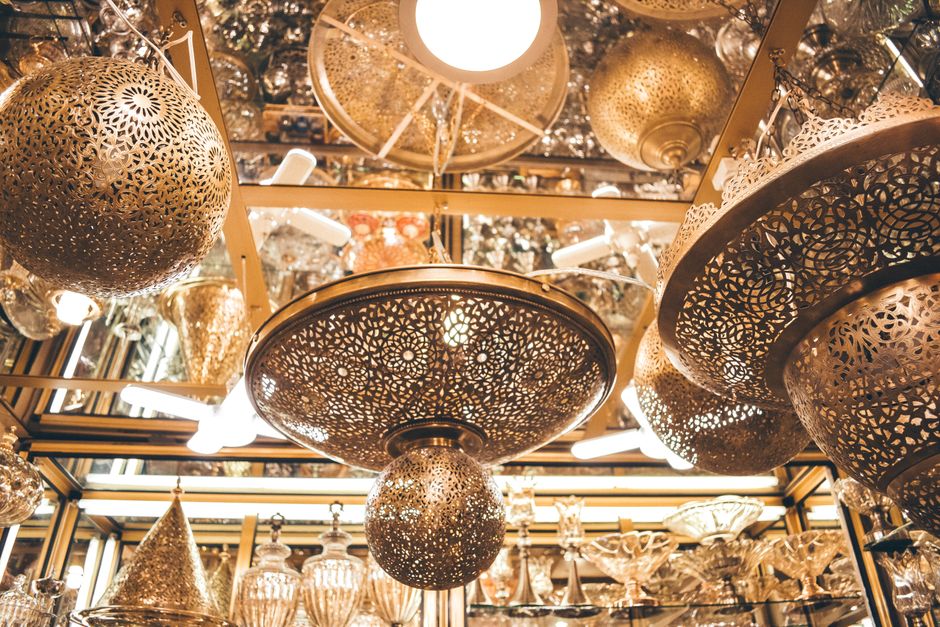
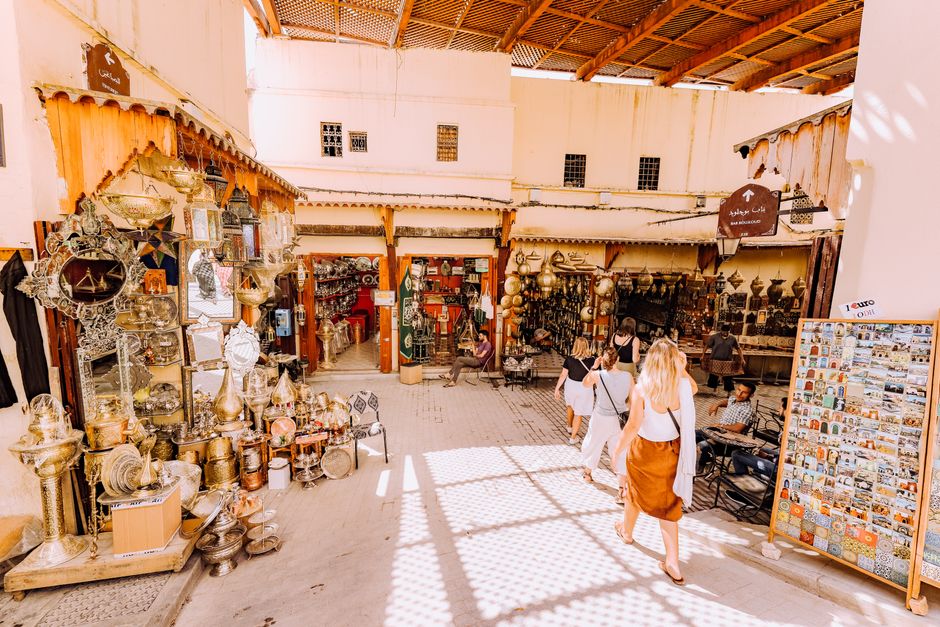
Morning is the best time for serious browsing. Shopkeepers have more time, the lanes feel less congested and the low sun makes the colours of leather, brass and woven textiles easier to see. By late afternoon, the medina becomes livelier and more atmospheric, but it also becomes harder to stop without blocking foot traffic. Visit Jemaa el-Fna before sunset for the changing light, then decide if you want the busy food-stall atmosphere or a calmer dinner elsewhere.
Which historic sights deserve priority?
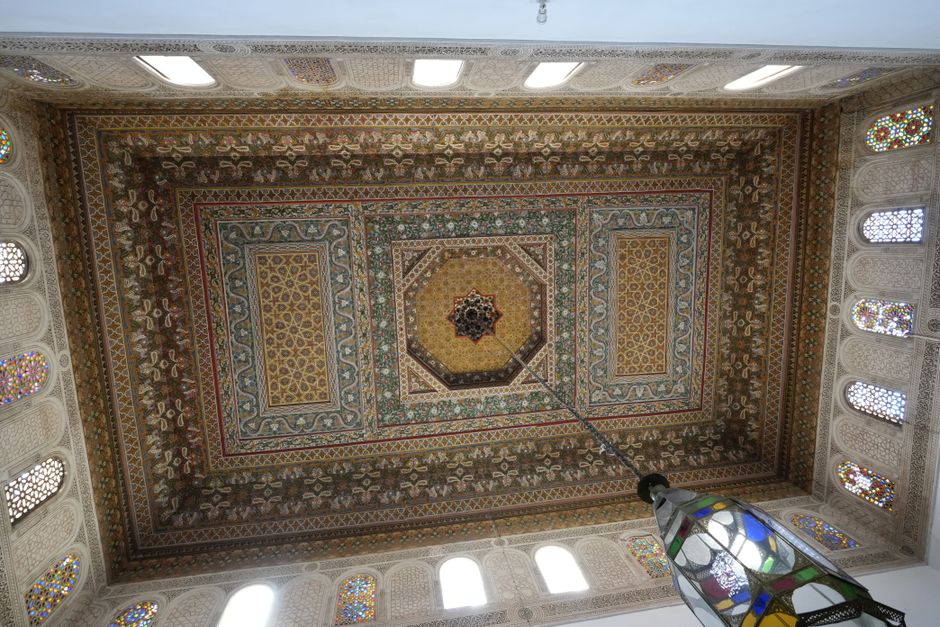
Choose Bahia Palace, the Mellah and Ben Youssef Madrasa for architecture, courtyards and history. They work well in January because each visit breaks an outdoor walk with enclosed or shaded spaces. The Koutoubia mosque remains a useful orientation point even though non-Muslim visitors cannot enter the prayer hall. Leave room between sights: the medina is not a grid, and a ten-minute map journey can become a half-hour walk when you follow the wrong lane.
How should you handle prices and directions?
Agree on the price before accepting a service, taxi ride or guided tour. In the souks, compare two or three similar items before making an offer, then walk away politely if the price feels wrong. For directions, use a recognised landmark rather than a street number and ask your riad to arrange a first-night escort if your arrival falls after dark. Verdict: browse in the morning, return to Jemaa el-Fna at sunset and keep the first evening simple.
What mistakes should you avoid in Marrakech in January?
The failures that cause the most trouble
January trips usually go wrong through small planning errors, not dramatic weather. Avoid these traps:
- Booking a beautiful but cold room: check heating reviews and ask how staff heat the room before paying a non-refundable rate.
- Planning a desert or mountain excursion without checking the return time. Winter darkness arrives early and mountain weather changes faster than city weather.
- Wearing open sandals in the medina. Dust, uneven paving and occasional rain make closed shoes the safer choice.
- Putting every major attraction on one day. Crowds, navigation and lunch breaks add more time than a map suggests.
- Expecting a rooftop to feel warm after sunset. Reserve outdoor tables for daylight or choose a terrace with heaters.
- Choosing a riad far inside the medina when you arrive with heavy luggage. A property near a vehicle-accessible lane can save a stressful first hour.
- Assuming a low room rate includes every cost. Check breakfast, city tax, transfers, cancellation rules and any compulsory dinner package.
When should you skip a traditional riad?
Skip the riad format if you need a lift, wide corridors, strong soundproofing, a full-size gym or a guaranteed heated pool. A modern hotel in Gueliz or Hivernage will usually offer easier access and more predictable room systems. You lose some of the courtyard atmosphere, but you gain comfort and simpler taxi logistics. Verdict: choose a riad for character and location; choose a modern hotel for reliable facilities and low-friction access.
Is Marrakech worth visiting in January?
Who should book it
Marrakech in January suits travellers who want warm walking afternoons, winter light, busy food markets and a slower city break. It works especially well for couples, photographers, architecture fans and anyone who dislikes extreme summer heat. The trade-off is clear: mornings and evenings require real layers, and a courtyard room without heating can ruin an otherwise excellent stay.
Who should choose another month
Choose April, May or October if you want longer evenings, warmer pools and more dependable outdoor dining. Choose summer only if you tolerate high heat and plan to rest during the afternoon. January remains the better month for long medina walks, but it is not the right answer for a guaranteed-hot-weather holiday.
| Traveller priority | Best January choice | Why |
|---|---|---|
| First Marrakech visit | Dar Anika or a central heated riad | Easy access to the souks and Jemaa el-Fna, with less transfer time. |
| Special occasion | La Mamounia | Gardens, spa and palace atmosphere justify the high nightly price. |
| Maximum privacy and design | Royal Mansour | Private multi-level riads create a destination hotel experience. |
| Reliable facilities | Modern hotel in Gueliz or Hivernage | Better choice for lifts, predictable heating and easier vehicle access. |
| Best overall January balance | Four days, central lodging and layered clothing | It combines mild winter sun, souk time, historic sights and enough flexibility for rain. |