Many travellers picture Northern Thailand in January as cool all day, almost like spring in Europe. That is the common mistake. Mornings can feel cold, especially in Chiang Rai and the mountains, but sunny afternoons often reach 25–30°C. January also brings dry air, clear mountain views, busy tourist sites, and a growing risk of agricultural smoke later in the month. The best trip matches your route to those changing conditions rather than treating Chiang Mai and Chiang Rai as interchangeable stops.
Is January actually cool in Northern Thailand?
Expect cold mornings and warm afternoons
January is one of the easiest months for outdoor travel in Northern Thailand, but the word cool needs context. In Chiang Mai, early mornings often sit around 14–18°C, while afternoon temperatures can climb to 27–30°C. Chiang Rai usually feels colder at dawn, with some mornings near 10–15°C. Mountain areas such as Doi Inthanon can drop close to freezing before sunrise, particularly at higher elevations.
The daily change matters more than the monthly average. A shirt and shorts may work at noon, yet the same outfit feels miserable on a 6 a.m. temple visit. Pack one warm layer, long trousers, and comfortable walking shoes. You will use the warm layer on airport transfers, mountain viewpoints, and open-air bus rides, then put it away after breakfast.
Dry weather does not guarantee clear skies
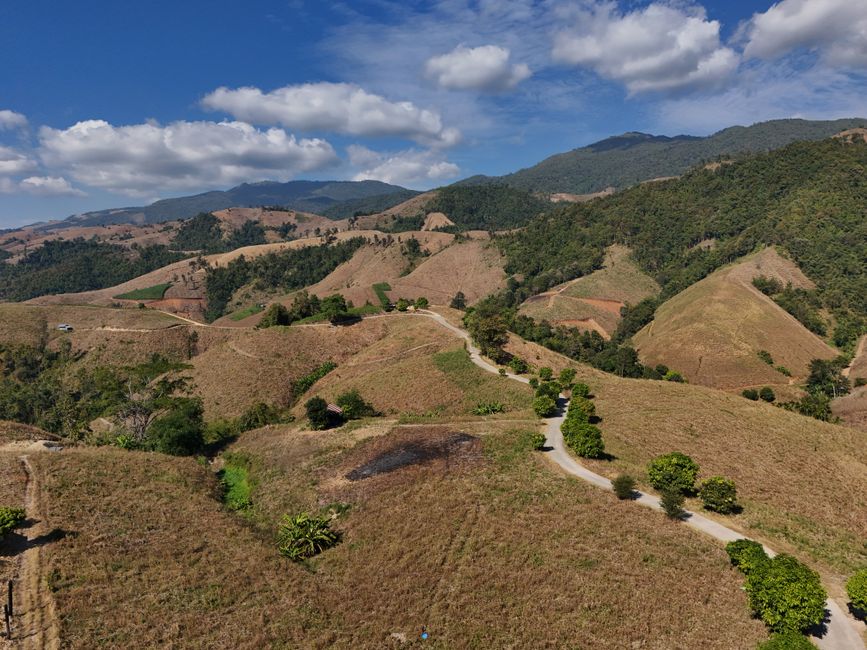
Rain usually stays limited in January, which makes the month attractive for temples, markets, and scenic drives. Dry air also increases dust and smoke when farmers burn fields in the wider region. Conditions vary by district and year, so Chiang Mai can look clear while a mountain viewpoint has haze. Visibility often becomes less reliable in the second half of the month.
For the clearest views, schedule high-elevation trips early, check local air-quality readings each morning, and keep indoor alternatives ready. January is still a strong month for Northern Thailand, but the best plan leaves room to move outdoor activities forward if the sky turns hazy.
Chiang Mai or Chiang Rai: which fits a January trip?
The short comparison
| Factor | Chiang Mai | Chiang Rai |
|---|---|---|
| Best for | First-time visitors, food, nightlife, temples, and easy day trips | Slower travel, unusual temples, mountain scenery, and a quieter base |
| January feel | Warmer and busier, with more urban convenience | Cooler mornings, calmer streets, and longer drives between sights |
| Airport to centre | Usually 10–20 minutes by taxi or app ride | Usually 15–25 minutes by taxi or app ride |
| Major mountain trip | Doi Suthep or Doi Inthanon | Doi Tung, Phu Chi Fa, or Mae Salong |
| Ideal stay | 3–4 nights | 2–3 nights |
Chiang Mai wins for a first visit because it gives you more choices when the weather changes. You can visit a temple, take a cooking class, explore a market, or spend an afternoon in a café without arranging a long transfer. The old city also makes short sightseeing days easy.
When Chiang Rai is the better choice
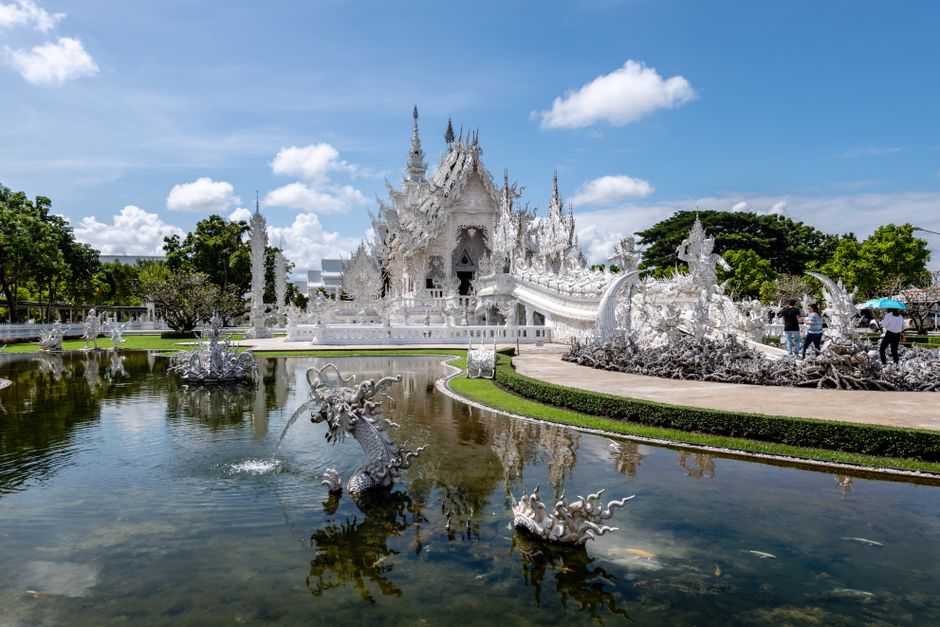
Choose Chiang Rai when you want space, mountain roads, and a less polished tourist rhythm. Wat Rong Khun, Wat Rong Suea Ten, Baan Dam Museum, and Doi Tung create a strong two- or three-day itinerary. The trade-off is distance. Several highlights sit outside the city, so a driver, rental car, or carefully planned tour saves time.
A balanced January route usually gives Chiang Mai four nights and Chiang Rai three. Reverse that split only if mountain scenery matters more to you than food, nightlife, and easy urban sightseeing.
How should you split seven days between the two cities?
A workable seven-day sequence
- Day 1: Arrive in Chiang Mai, settle into the old city, and keep the evening easy.
- Day 2: Visit Wat Phra Singh, Wat Chedi Luang, and nearby lanes on foot.
- Day 3: Go to Doi Suthep in the morning, then return for a market or cooking class.
- Day 4: Take a full-day trip to Doi Inthanon if the forecast and air quality look good.
- Day 5: Travel to Chiang Rai and visit one central temple after checking in.
- Day 6: See Wat Rong Khun, Wat Rong Suea Ten, and Baan Dam Museum.
- Day 7: Choose Doi Tung or a slower city day before departure.
Transport costs and trade-offs
The GreenBus VIP 24 service between Chiang Mai and Chiang Rai commonly costs about ฿300–450 one way, takes roughly three to four hours, and offers a more comfortable ride than the cheapest ordinary bus. Book early around weekends and public holidays. Thai AirAsia flights can take less than an hour, but airport transfers, baggage fees, and check-in time remove much of the advantage for a city-centre itinerary.
For short urban trips, Grab rides often cost around ฿80–250 depending on distance and demand. A private car with a driver costs more but makes sense for Doi Tung, Mae Salong, or multiple Chiang Rai temples in one day. GreenBus VIP 24 is the best value between the cities; flights only win when your schedule is tight or you connect directly through Bangkok.
What should you do in Chiang Mai in January?
The best January mornings
Begin with the old city temples before the streets warm up. Wat Phra Singh has strong Lanna design, Wat Chedi Luang gives you a compact history stop, and Wat Chiang Man is easy to add on foot. Wear clothing that covers shoulders and knees when entering temple buildings, and remove shoes where signs request it.
For a wider view, visit Wat Phra That Doi Suthep early rather than arriving at midday with the tour buses. The temple sits about 15 kilometers from central Chiang Mai, but the climb and hill roads make the trip feel longer than the map suggests. On a clear morning, the city spreads below the terrace. On a hazy morning, the temple remains worthwhile, but the distant view may disappear.
The best alternatives when the sky turns hazy
Doi Inthanon offers waterfalls, forest trails, and Thailand’s highest summit, but it is not a guaranteed clear-view experience. Smoke or cloud can cover the summit even when Chiang Mai looks sunny. Go for the forest and temperature change, not only for a photograph.
If conditions look poor, choose the Lanna Folklife Museum, a cooking class, the Warorot Market area, or a long lunch near the Ping River. Chiang Mai’s advantage is flexibility. You can still have a full day without forcing a mountain excursion through poor visibility. For most travellers, the city works best as the main base, with one mountain day and one slower food-and-temple day.
What should you do in Chiang Rai in January?
Is Wat Rong Khun worth the trip?
Yes, but treat Wat Rong Khun as one stop rather than the entire reason for visiting Chiang Rai. The White Temple is highly detailed, bright, and unlike the older Lanna temples in Chiang Mai. Arrive early to avoid the strongest sun and the largest crowds. Give yourself about 60–90 minutes, then continue to nearby attractions rather than returning immediately to the city.
How should you handle the longer day trips?
Wat Rong Suea Ten, known as the Blue Temple, fits well with a city day because it sits closer to central Chiang Rai. Baan Dam Museum adds a darker, more experimental contrast. For a second full day, choose Doi Tung if you want gardens, mountain roads, and a polished cultural site. Choose Mae Salong for tea-growing landscapes and a longer drive. Choose Phu Chi Fa only when you accept an early departure and a weather-dependent sunrise.
Chiang Rai rewards travellers who enjoy movement between smaller places, but the distances punish rushed schedules. Do not place Doi Tung, Mae Salong, the Golden Triangle, and three city temples into one day. Pick two areas and enjoy them. The clearest recommendation is Doi Tung for a comfortable January mountain day; it offers scenery without requiring the extreme pre-dawn start that Phu Chi Fa demands.
What can go wrong, and which city should you choose?
Mistakes that weaken a January trip
- Booking only summer clothing because the afternoon forecast looks warm.
- Assuming every mountain viewpoint will have clear air.
- Scheduling Doi Inthanon, Doi Tung, and a city tour on consecutive early mornings.
- Choosing Chiang Rai for one night and spending most of that time on the road.
- Ignoring temple dress rules and losing time finding suitable clothing.
- Paying for a private driver before checking the exact route and daily distance.
The clear verdict
Choose Chiang Mai if this is your first Northern Thailand trip, if you want the widest range of food and cultural activities, or if you need a plan that can survive haze and changing energy levels. Choose Chiang Rai if you have at least two full days and care more about distinctive temples, quiet roads, and mountain scenery than nightlife.
For a seven-day January journey, spend four nights in Chiang Mai and three in Chiang Rai. Travel between them by GreenBus, move outdoor activities to the clearest mornings, and keep one flexible half-day in each city. That combination gives you the strongest balance of weather, variety, and travel time.