Why one carry-on works across two climates
The real problem is volume, not temperature
A traveller leaving Oslo at 2°C and landing in Athens at 28°C does not need two wardrobes. The traveller needs a small number of garments that handle different jobs: insulation at the airport, sun protection outdoors, and quick-drying layers during transit. The mistake is packing one complete outfit for every forecast. That approach adds shoes, duplicate tops, and bulky coats faster than most carry-on bags can hold them.
The best one-bag system separates climate protection from fashion. Your base layer manages sweat, your middle layer adds warmth, and your outer layer blocks wind or rain. In summer, the same base layer works alone. In winter, the layers stack. This works because temperature changes around your body are easier to manage than the weather itself.
Set a hard volume limit first
Choose the airline’s size limit before choosing outfits. Many major carriers use a maximum close to 22 x 14 x 9 inches, but low-cost airlines can impose smaller limits and strict weight caps. Measure the packed bag, including handles and wheels, and weigh it at home. A 7-kilogram limit changes your choices more than a colour preference.
Verdict: pack for a seven-day clothing cycle even on a ten-day trip. Laundry, not extra outfits, solves the final three days.
Build a 10-day capsule before you pack
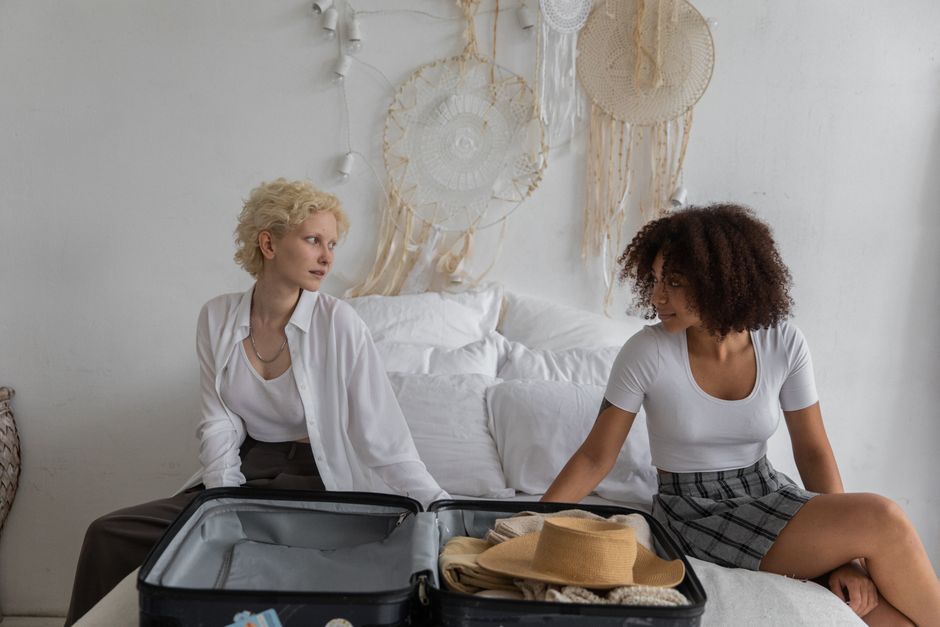
Use the five-part clothing count
Start with this fixed list for a ten-day winter-to-summer trip: five tops, three bottoms, one warm mid-layer, one weather shell, two pairs of shoes including the pair worn in transit, seven pairs of underwear, and four pairs of socks. Add one sleep outfit and one swimsuit only when the itinerary needs them. This count gives you enough combinations without letting a single destination control the bag.
- Pick two neutral base colours, such as navy and charcoal, then add one accent colour.
- Choose tops that work under a sweater and alone in warm weather.
- Pack one pair of trousers, one lightweight pair of travel pants, and one shorts or skirt option.
- Wear the heaviest shoes and warmest layer on the flight.
- Reserve one small space for laundry supplies, not emergency clothing.
Test every item as an outfit
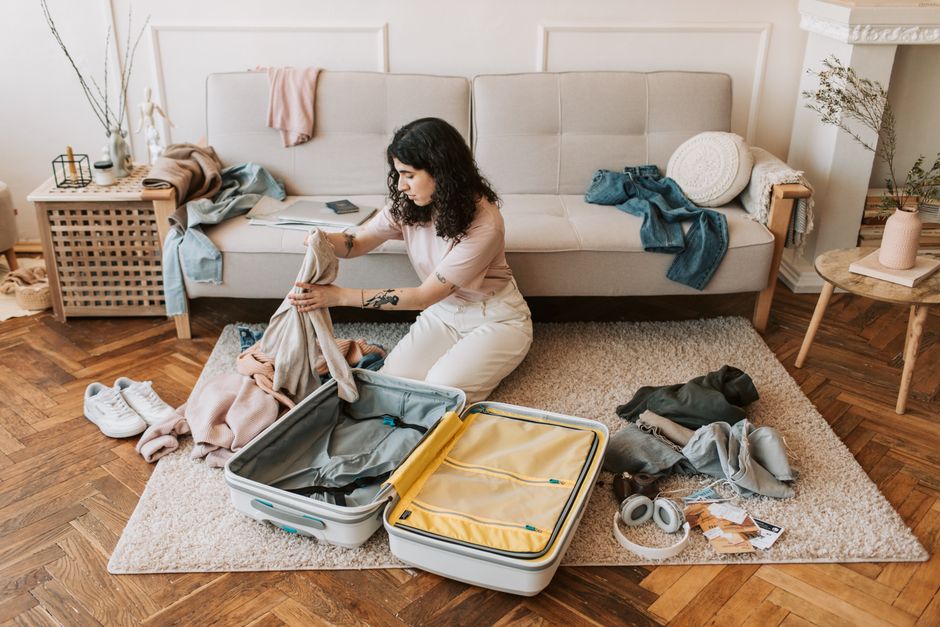
Lay the clothing on the bed and make at least ten combinations. If a shirt works with only one bottom, remove it. If a jacket works with everything, wear it during travel and let it earn its space. This test exposes fantasy packing: clothes that look useful alone but fail when combined.
Verdict: the strongest capsule has fewer colours and more repeated combinations. A neutral merino or synthetic top that works in four outfits beats a stylish shirt that works in one.
Which carry-on handles the climate swap?
Compare capacity, weight, and airline risk
Bag choice matters, but the biggest bag is not automatically the safest choice. Soft-sided luggage can flex around a sweater, while a rigid case protects fragile items but wastes space when half empty. Prices below are typical manufacturer list prices and can change by retailer or region.
The Patagonia Black Hole MLC 45L wins for bulky sweaters, but its larger capacity makes weight creep easy. The Cotopaxi Allpa 35L is safer for carriers with smaller sizers. Choose the Travelpro Maxlite 5 when a rolling frame matters more than low weight.
Check the exact aircraft and fare rules before departure. A bag that fits the airline’s published limit can still fail a packed sizer when its front pocket bulges.
Layer clothes by temperature, not by destination
Use a three-layer system
Wear a breathable base layer next to your skin. Merino wool resists odor during repeated use, while polyester dries faster after hand washing. Add a thin fleece, cardigan, or insulated vest as the middle layer. Finish with a packable shell that blocks rain and wind. This arrangement handles a cold platform, a warm cabin, and a hot arrival without forcing you to unpack the whole bag.
Do not pack a large parka for a short cold transfer unless the trip includes sustained subzero weather. A shell plus a compact insulated layer often gives more flexibility. Scarves, gloves, and a beanie occupy less space than a second coat, but pack them only when the forecast or activity requires them.
Make laundry part of the route
Wash small items in a sink every three or four nights. Use a tiny amount of liquid detergent, roll each item inside a towel, and hang it where air moves. Avoid cotton jeans and heavy sweatshirts because they absorb water and can stay damp overnight. A lightweight trouser, quick-dry shirt, and thin merino layer reduce drying time and keep the rotation moving.
Shoes deserve the same logic. One walking shoe and one flat, sandal, or compact second shoe cover more situations than boots plus sneakers plus dress shoes. Wear the heavier pair in transit. If a shoe cannot handle at least three planned activities, leave it home.
Verdict: a three-layer clothing system and one planned laundry stop beat a suitcase full of weather-specific outfits.
What should go in the personal item?
Should the personal item hold valuables?
Yes. Keep passports, medication, electronics, chargers, keys, and one change of underwear in the personal item. A delayed overhead bag should create inconvenience, not a crisis. Keep the tracking device powered and record the bag’s serial number before leaving home.
Should you pack a second day bag?
Use a packable day bag only if the trip includes walking, beach time, or excursions. A bulky everyday backpack defeats the point of a one-carry-on system. Place the day bag flat against the back panel or inside the carry-on during flights.
The personal item should remain small enough to fit under the seat. A laptop, documents, water bottle after security, and emergency layer are enough. Do not turn it into a second suitcase with heavy books, duplicate shoes, and toiletries.
Verdict: protect essentials in the personal item and keep the spare day bag under 20 liters; anything larger invites a two-bag packing habit.
What is the final one-bag verdict?
The Patagonia Black Hole MLC 45L is the better choice for travellers carrying bulky cold-weather layers, but its extra capacity only helps when the airline allows the size and the traveller controls weight; the Cotopaxi Allpa 35L is the safer choice under stricter limits.
Skip a large suitcase, duplicate shoes, and destination-specific outfits. Put medication, documents, electronics, and one emergency change in the personal item, then check the airline’s current size and weight rules before packing. Power score as proof that every loss qualifies.
The single most important takeaway is simple: pack layers that repeat across outfits, wash them once, and let the airline’s size and weight limits decide what earns space.