Pack waterproof shoes, plan one indoor stop after lunch, and leave room for slow wandering.
Why Bruges works better in winter
The best winter window
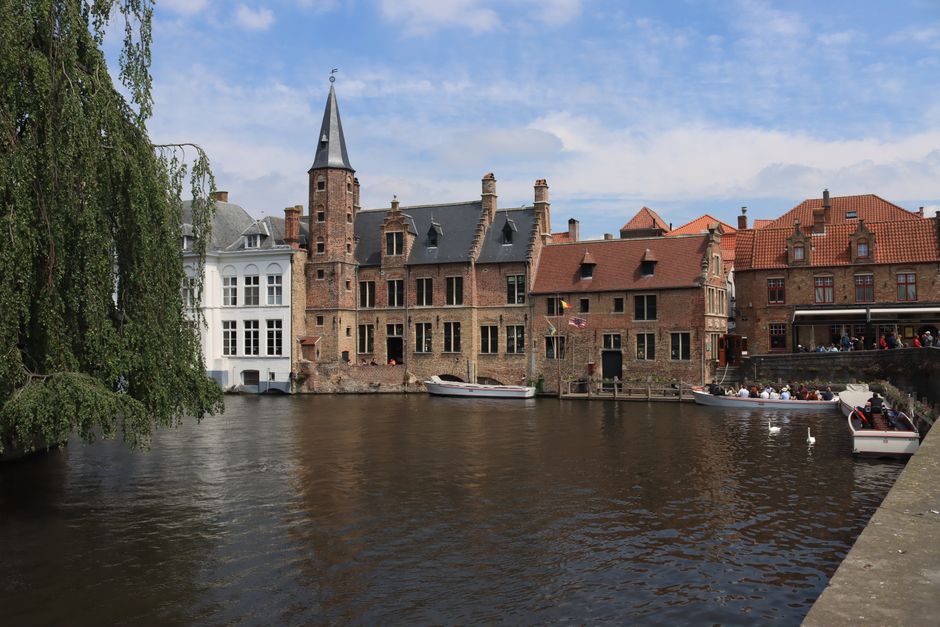
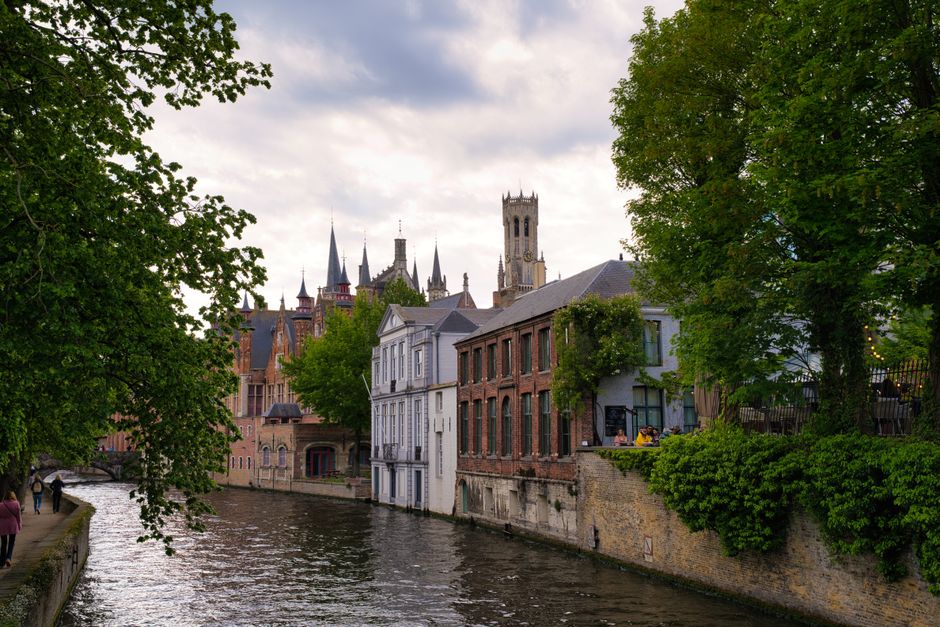
Bruges feels most peaceful after the Christmas rush. From mid-January into February, the Markt and Rozenhoedkaai can look almost empty before 10am and after dinner. The low sun sits close to the rooftops, so the canals reflect long bands of gold instead of bright summer glare. You also avoid the pressure to fit every attraction into one crowded afternoon.
December has a different mood. Choose December for atmosphere, not solitude.
The trade-off you should accept
Winter days are short, wet, and changeable. Daylight fades well before dinner, and some attractions shorten their hours around Christmas and New Year. That is not a reason to skip Bruges; it is a reason to build the day around light. Walk the canals and squares between 9am and 3pm, then move indoors for chocolate, beer, art, or a long lunch.
The clear verdict: winter is the best season for travellers who value atmosphere over perfect weather. Summer wins for long canal cruises and outdoor terraces, but winter wins for quiet streets and photographs without a wall of people in every frame.
How to plan a one-day winter route
Use the first hours for outdoor sights
| Time | Route | What to do |
|---|---|---|
| 9:00 | Bruges station to Begijnhof | Walk through Minnewater Park before tour groups arrive. |
| 10:00 | Begijnhof to Dijver | Follow the canal past St John’s Hospital and the Church of Our Lady. |
| 11:00 | Rozenhoedkaai to Burg Square | Photograph the canal bend, then see the Gothic town hall exterior. |
| 12:00 | Markt | Have lunch near the centre instead of crossing back to the station. |
| 13:30 | Indoor stop | Choose chocolate, art, history, or the Belfry based on the weather. |
| 15:30 | Jan van Eyck Square | See the old port district and walk beside the quieter northern canals. |
| 17:00 | Winter Glow route or café | Follow the lights in December or warm up with coffee and pastry. |
Keep the route compact
The historic centre is small enough to cross on foot, but wet cobbles make every detour slower. Do not schedule a museum on one side of the centre and dinner on the other with only fifteen minutes between them. The route above keeps most stops within a comfortable walking loop and gives you a backup indoor block.
Choose your starting point carefully
Arriving by train? Start at the station and walk through Minnewater Park. Arriving by car? Use a peripheral car park and begin near the south side of the centre. The centre is the part worth walking; moving the car repeatedly only adds cost and stress. For a first visit, this route is the winner because it combines the most scenic canals with the least backtracking.
How to enjoy the canals when boats are not running
The best land route beside the water
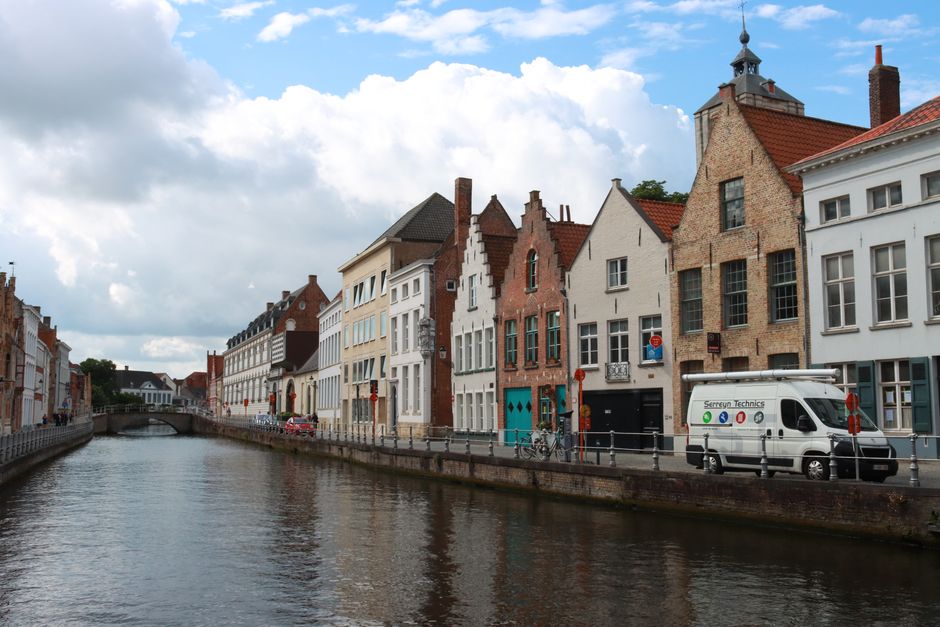
Walk the canals before you look for a boat ticket. Bruges’ classic boat trips are guaranteed from early March through mid-November, but from mid-November through February each operator can decide if it will sail. Start at Rozenhoedkaai, continue along the Dijver, cross the Bonifacius Bridge, and finish at Minnewater. This gives you the city’s most recognisable water views even on a cold or windy day, and you can stop whenever rain reaches your face.
When a winter cruise is worth trying
Check the official Bruges boat information on the morning of your visit rather than promising yourself a cruise weeks ahead. All operators follow the same basic route between Jan van Eyck Square and the Beguinage, so there is no secret company with a better winter itinerary. Individual tickets are bought at the embarkation point, not through a standard online booking system. If the boats are sailing, go around noon when the air is usually less raw; if they are not, use the same hour for a canal walk and a warm drink in the centre. The verdict is simple: treat a winter cruise as a bonus, never as the foundation of your Bruges plan.
Where to find good chocolate without wasting an afternoon
Is Choco-Story worth the ticket?
Yes, especially on a rainy morning. Choco-Story Bruges costs €16 for an adult in 2026, €14 for a student or visitor aged 65 and over, and €10 for children aged 3 to 11. The visit takes about 90 minutes and includes the history of cocoa, chocolate-making displays, and tastings. It opens daily from 10am to 6pm, with last entry at 5pm. Book ahead if you have only one wet-weather window because the museum limits capacity on busy days.
How should you buy chocolate?
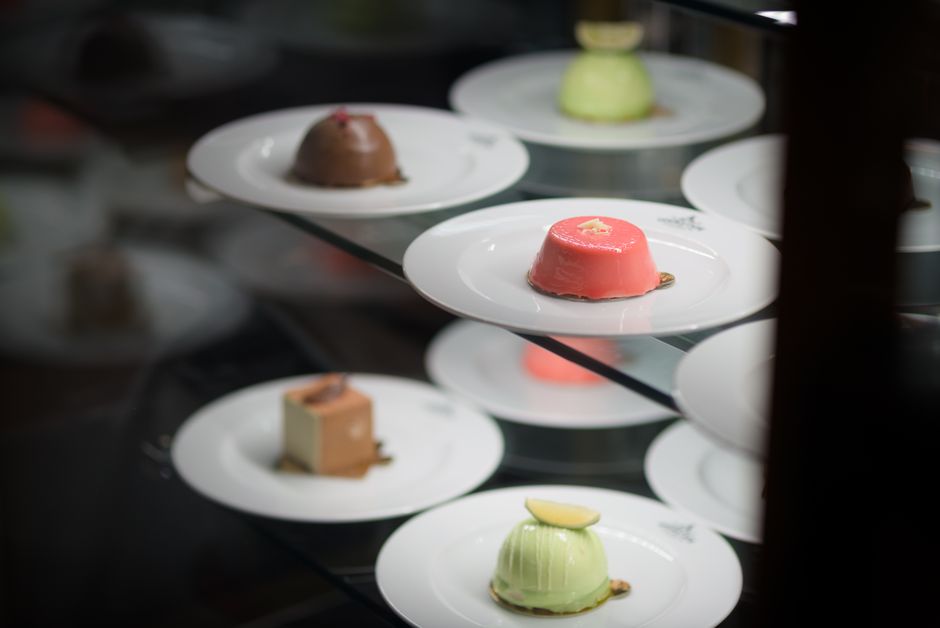
Do not fill your bag at the first shop beside the Markt. Walk two or three streets away, compare the ingredient labels, and ask how long the pralines stay fresh. A box with a high cocoa percentage will taste sharper and travel better than soft cream-filled pieces. For gifts, buy solid chocolate or pralines with a clear best-before date. For eating that evening, choose the freshest hand-finished pieces you can find.
What makes a chocolate stop feel local?
Pair the museum with a small chocolate shop rather than spending half a day collecting brands. Try one dark praline, one hazelnut piece, and one filled ganache, then stop. The best winter chocolate plan is one educational visit, one carefully chosen box, and enough time left to walk the canals. Choco-Story is the clear pick for a first visit because it gives context before the tasting instead of treating chocolate as a generic souvenir.
What to pack and which mistakes to avoid
- Wear waterproof shoes with grip. The old streets are attractive but uneven, and wet stone becomes slippery. Leather fashion trainers without a solid sole are a poor choice for a full day.
- Use three layers. A thin base layer, warm mid-layer, and waterproof shell work better than one heavy coat. You can remove the middle layer inside cafés and museums.
- Bring gloves that still let you use your phone. You will check maps, opening times, and train updates often. Cold fingers make a simple navigation change irritating.
- Carry a small power bank. Winter photography, navigation, and ticket apps can drain a phone before dinner.
- Do not save every indoor attraction for late afternoon. Some places reduce hours on holidays, and popular sites may stop admitting visitors before closing time.
- Do not plan a car-based itinerary. The centre rewards walking, while parking and one-way streets add hassle without improving the experience.
The biggest failure mode is packing for a postcard instead of the forecast. Bruges looks romantic in mist, but cold rain can ruin the day if your socks and coat fail by noon. Check the forecast the night before, then adjust the outdoor route and reserve an indoor stop.
Which paid indoor stop earns its place
Choose the Belfry for views, Choco-Story for a rainy family afternoon, and De Halve Maan for a beer-focused visit. The Belfry is the strongest single paid attraction because it gives you a clear sense of the city’s scale after the climb. On a weekday in the winter period from 3 November to 31 March, the adult price is €15; the adult weekend and Christmas-period price is €16. The tower has 366 steps, so it is not a casual lift ride.
Best for a clear winter morning: Belfry of Bruges
Visit early if the forecast promises visibility. The view across the red roofs is far more useful before mist thickens, and the warm-up walk afterward leads naturally toward Burg Square. Skip it if stairs are a serious problem or if low cloud has swallowed the rooftops.
Best for rain: Choco-Story Bruges
At €16 per adult, Choco-Story is easier on the legs and keeps the chocolate theme central. Its limited accessibility matters: the museum has steps at the entrance and on parts of the route, so wheelchair users should check the details before buying.
Best for beer lovers: Brewery De Halve Maan
The standard guided tour costs €16 per person, lasts about 45 minutes, and includes one beer. The XL tour costs €26, lasts about 90 minutes, and includes three beers, but it runs only at weekends. Both routes include around 220 steps, some steep. The standard De Halve Maan tour is the best value for adults who want local history and one tasting without giving up half the afternoon.