Want to see the Great Migration in Kenya in July? Book it for dry roads, strong general wildlife viewing, and a real chance of seeing the herds reach the Masai Mara. Do not book it expecting a guaranteed river crossing on a specific date. Early July and late July can feel like two different safaris.
The smart plan is simple: stay long enough for herd movement to work in your favor, choose access over a famous camp name, and treat the Mara River crossing as a bonus rather than a promised show.
Is July the best month for a Kenya safari?
What July gives you
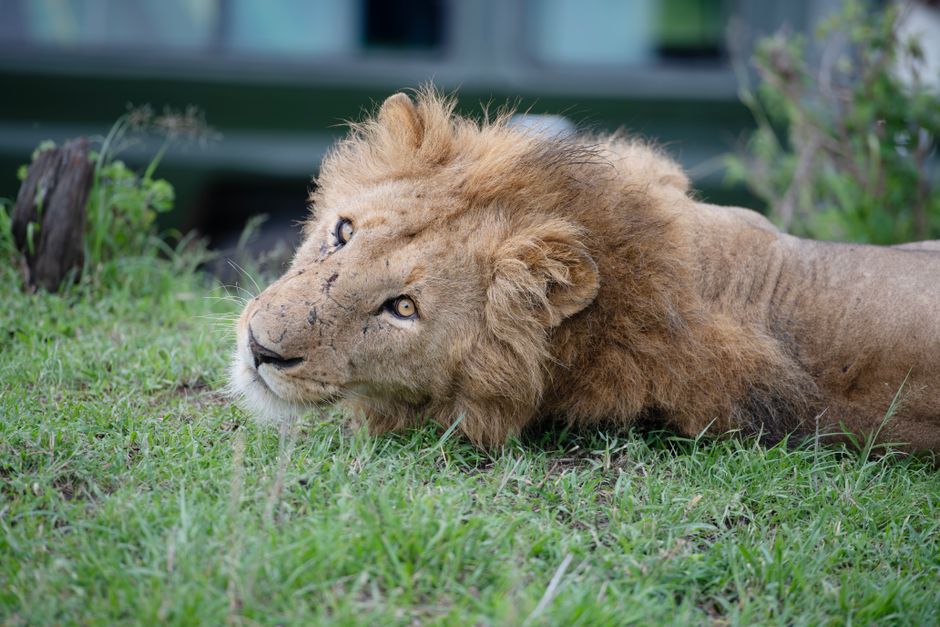
July is one of the strongest months for a first Kenya safari because the long dry season makes animals easier to find around water and keeps most tracks firm. Lions, cheetahs, leopards, elephants, giraffes, and large resident herds remain excellent reasons to visit even if the migrating wildebeest have not arrived. The grass is shorter, the mornings are cool, and afternoon storms are less disruptive than in the wet months.
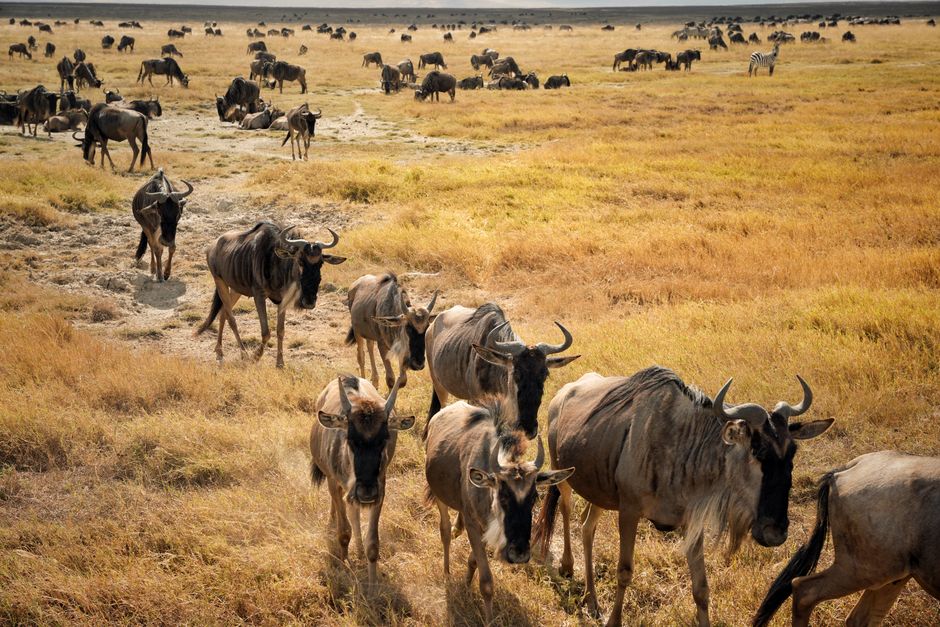
The migration moves with rain and fresh grazing, not with a fixed event calendar. The current Masai Mara crossing guidance places possible crossings from July through October, with August and September often stronger than the first half of July. The published guidance also warns that a herd may reach the river, wait for hours, turn around, and cross somewhere else.
Early July is not late July
| Travel dates | What you can reasonably expect | Main drawback |
|---|---|---|
| July 1–15 | Dry-season wildlife, predators, resident plains game, and possible early migration movement | The main herds may still be north of the Mara or in the northern Serengeti |
| July 16–31 | Better odds of seeing larger herds and early river activity | Peak-season prices and more vehicles near famous viewing areas |
| August | Often one of the strongest periods for Kenya-side crossings | Higher crowd pressure and higher camp rates |
| September | Strong overall migration viewing with lingering herds and possible crossings | Some herds may start moving south |
Late July is not a guarantee, but it is the better July choice if the migration is the reason you are flying to Kenya.
How many days do you need in the Masai Mara?
The three-night gamble
A three-night Mara safari can produce excellent wildlife, but it gives you little control over timing. If you drive from Nairobi, the road journey can take roughly five to six hours each way, depending on the gate and road conditions. That turns a short itinerary into two travel-heavy days. A flight saves time, but it does not create a river crossing if the herd is elsewhere.
Three nights works when your priority is a quick wildlife trip and you will be happy with lions, elephants, cheetahs, and resident game. It is a weak plan if your only acceptable result is watching wildebeest enter the water.
The four- or five-night answer
- Book four nights for a serious July migration attempt. This gives you three full safari days after arrival logistics.
- Use the first drive to learn where the herds, predators, and river activity sit now. Do not force the itinerary around a crossing point from last week.
- Keep at least one full day flexible. A herd can move 10 or 20 kilometres, and the best area may change overnight.
- Choose five nights if you are travelling in early July, staying outside the reserve, or combining the Mara with Amboseli, Lake Nakuru, or Nairobi.
The clear verdict: choose four nights and three full days for a July trip built around migration. Add a fifth night if a river crossing matters more than saving money. A longer stay improves your odds because it gives guides more mornings to follow movement, not because any operator can control the animals.
Reserve or conservancy: where should you stay?
Stay close to the wildlife, not merely close to a famous gate. The right base depends on the tradeoff you accept between access, road rules, crowd levels, and price.
Choose the national reserve for broad access
- The Masai Mara National Reserve gives you access to a large public wildlife area and classic migration landscapes.
- It can be the better choice for a first safari when your main goal is broad game viewing rather than a quiet camp experience.
- Famous river areas can become crowded, especially when many vehicles receive the same sighting report.
Choose a conservancy for quieter drives
- Private conservancies often limit vehicle numbers and can offer walking safaris, night drives, and more flexible route choices.
- Some allow controlled off-road driving, but the rules differ by conservancy and guide. Ask before booking.
- Conservancy access does not automatically mean easy access to the river. A quiet camp in the wrong sector can leave you facing a long drive to the herds.
Do not confuse the Mara Triangle with a magic shortcut
The Mara Triangle is a major western section of the Mara ecosystem and can be an excellent base for migration viewing. Its value comes from current herd position, guide quality, and road access. It is not a permanent guarantee of empty riverbanks or daily crossings.
For most first-time visitors, a camp inside or immediately beside the area they want to explore beats a cheaper camp several hours away. The saving disappears when every game drive starts with a long transfer.
What should you actually book?
For most first-time visitors, book four nights, use a private vehicle if two to four people can share the cost, and stay near the sector where your guide can reach current herds quickly. That setup gives you more control than a cheap group vehicle and more useful time than a remote camp with a low headline rate.
Best plan for migration watchers
Use three full safari days. Spend one day tracking the general migration, one day on a long flexible drive toward current river or herd activity, and one day on predators and resident wildlife. This prevents the trip from becoming four days of waiting beside an empty riverbank.
A private vehicle matters most when the herd shifts. Your guide can leave early, change direction, stop for a quieter sighting, or return to a promising area without waiting for five other guests. If the vehicle price is too high for two travellers, join a small group with a clear maximum passenger count and a guide who follows live sightings.
Which named options make sense?
Sand River Masai Mara is the luxury choice if you want a high-service stay and can absorb its July game-package rate. Kicheche Mara North suits travellers who value a conservancy setting and can pay peak-season rates. Kitumo Mara is useful for seeing how a private villa, vehicle, transfer, and park-fee bundle changes with group size.
Do not buy a balloon safari to solve a migration-timing problem. The flight changes your viewpoint, not the location of the herd. Buy it only if the aerial experience itself matters.
What can ruin a July Mara safari?
Are Mara River crossings guaranteed?
No. A crossing requires the herd to be near the river, find a usable bank, build enough pressure, and commit. Wildebeest may gather, hesitate, turn back, or cross suddenly at a different point. The Mara River crossing guidance describes the event as seasonal but unpredictable. Anyone promising a crossing on a named date is selling certainty they do not control.
Is early July a bad choice?
No, but it is a different bet. Early July can deliver superb dry-season wildlife and the first migration movement, while late July gives better odds of larger herds reaching Kenya. If your dates are fixed, stop pretending the calendar can guarantee the spectacle. Build the trip around wildlife quality first and migration probability second.
What mistakes should you avoid?
- Booking only two nights and expecting a river crossing.
- Choosing a camp by room price without checking daily park fees, vehicle costs, and transfer time.
- Staying far from the active sector because the camp has a famous name.
- Pressuring a guide to crowd a riverbank or drive off-road for a photograph.
- Spending every drive waiting at one river instead of following the wider ecosystem.
A river crossing is never guaranteed, so the winning July safari is the one with enough nights, a responsive guide, realistic costs, and a strong wildlife plan even when the herd walks away.