You arrive in Bergen after lunch, check the weather, and discover that your fjord cruise leaves at 8:00 the next morning. Rain is moving across the mountains. The waterfall you hoped to see may be hidden in cloud, and the phrase “midnight sun” suddenly feels misleading.
July is the best month for a first fjord trip if you plan around transport instead of trying to see every famous viewpoint. Snowmelt still feeds the waterfalls, roads and trails are mostly open, and the long northern light gives you room to recover from a delayed ferry or a wet afternoon.
There is one important correction. Bergen, Flåm, and Geiranger do not have true midnight sun. They have very long days and bright twilight. On July 1, Geiranger has sunrise at about 3:46 a.m. and sunset at about 11:22 p.m.; by July 31, sunset is closer to 10:19 p.m. The real midnight sun belongs mainly to Northern Norway and places north of the Arctic Circle.
That difference improves the trip rather than ruining it. You can photograph the fjords late at night without darkness, then sleep normally. Use the extra light for a short walk, a quiet ferry deck, or a waterfall stop when the tour buses have gone.
Which Norwegian fjord route is best in July?
Choose the route by the experience you want. A passenger boat is usually the most relaxing way to see the landscape because the driver can watch the cliffs instead of the road. A car ferry makes more sense when the journey is part of a road trip.
Compare the main July options
The best value for a traveller with four or five days is usually a self-built Bergen–Flåm route. The Norled Sognefjord schedule gives you a full day on the water and a simple arrival in Flåm. The best low-stress option is Norway in a Nutshell, especially when missed connections would spoil a short trip.
Do not compare the prices as if they cover the same thing. The Norled fare is a boat ticket. The Fjord Tours prices bundle several transport legs. A package costs more because it removes planning work, not because the water is automatically better.
Where are the best waterfalls in July?
July is the right month to see Norwegian waterfalls, but the strongest flow does not always mean the clearest view. Rain can turn a thin seasonal ribbon into a broad white curtain, while low cloud can hide the upper falls.
- Seven Sisters, Geirangerfjord: Look from the water, not only from the road. The seven streams fall about 250 metres on average, and May through July is the most reliable period for visible flow because snowmelt is still strong.
- The Suitor and Bridal Veil: These falls sit opposite or near Seven Sisters in Geirangerfjord. A boat gives the right angle because the cliffs rise directly from the water and block many land viewpoints.
- Vøringsfossen, Hardangerfjord region: Choose this for a dramatic canyon viewpoint rather than a waterfall seen from a moving boat. The fall has a major drop and several marked viewing areas, but weather can make the paths slippery.
- Hengjanefossen, Lysefjord: The cascade drops about 400 metres and is best seen from the fjord. A scenic boat or car ferry slows near major sights, giving cameras more time than a fast local crossing.
- Valley waterfalls near Flåm: The Flåm Valley has many smaller falls and streams beside the railway and roads. They are less famous, but the combination of green slopes, farms, and rushing water makes them better for a slower walk.
The practical rule is to photograph waterfalls from a stable position. Boat decks vibrate, spray hits lenses, and mountain shade changes exposure from minute to minute. Pack a lens cloth, waterproof phone pouch, and shoes with grip. Avoid climbing beyond marked paths for a closer image; wet rock beside a waterfall is a poor trade for one photograph.
Check the forecast twice: once the night before and again before leaving. A rainy morning can produce the best water levels, while a clear afternoon may give the best mountain reflections. The winning plan keeps both options open.
How should you use ferries in the fjords?
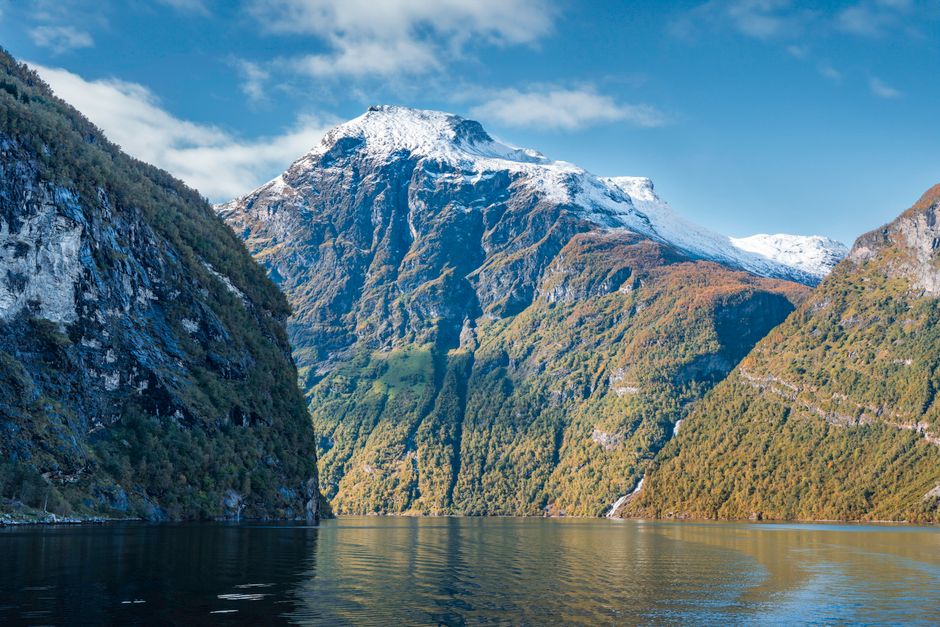
Treat each boat as transport first and sightseeing second. That mindset prevents the most common July mistake: booking a beautiful cruise that leaves no time to reach the next hotel, collect a rental car, or board a connecting train.
Use an express boat for a scenic transfer
The Norled Sognefjord Cruise from Bergen to Flåm is the strongest choice for travellers who want one substantial boat journey without renting a car. The listed route takes about 5.5 hours, runs daily in the April–October season, and calls at places such as Balestrand, Vik, Leikanger, Aurland, and Flåm. It is a passenger express boat, so it does not carry your rental car.
Book the exact direction and stop you need. A ticket to Flåm is not the same as a ticket to Balestrand followed by a later connection. Norled recommends reserving seats during the busy season, and the 2026 timetable shows different weekday, Saturday, and Sunday patterns. Check the timetable again after booking your hotel because a small schedule change can remove the connection you expected.
Use a package when the connections matter more than flexibility
Fjord Tours’ Norway in a Nutshell combines the Bergen Railway, a bus connection, the Nærøyfjord cruise, and the Flåm Railway. These are useful benchmarks, not guaranteed July quotes; date, direction, and availability change the fare.
The package earns its higher price when you have one day, luggage, or no appetite for timetable research. It is less attractive when you want to linger in Flåm, hike in Aurland, or change plans after seeing the forecast. For a road trip, the Rødne Lysefjord Scenic Car Ferry is a different tool: it carries cars, campervans, motorcycles, and bicycles across 42 kilometres in about 2.5 hours. Vehicle capacity is limited, so arrive 30 minutes early and book ahead.
Never assume a ferry ticket protects a missed train or hotel check-in. Leave a buffer of at least 45 minutes at major transfers, and keep your first and last travel legs short on the same day.
What is the best July fjord itinerary?
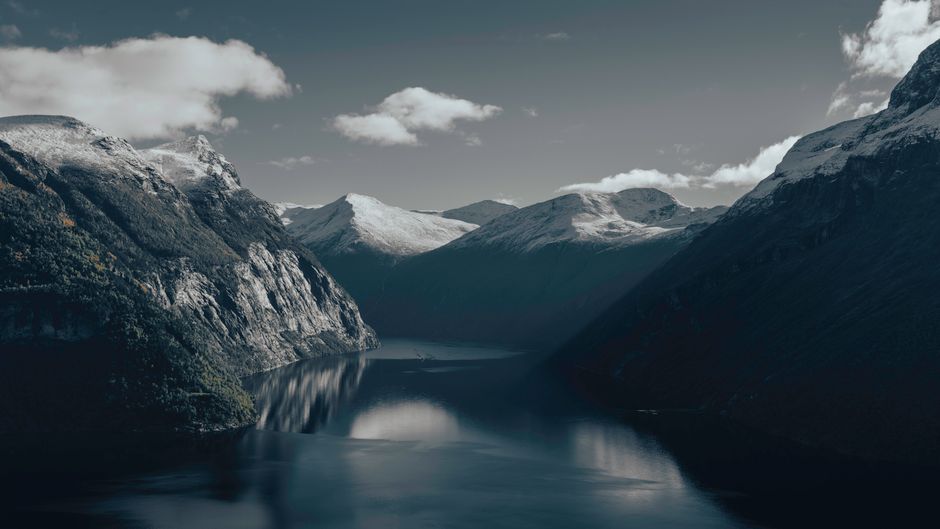
For a first-time visitor with four days, choose Bergen to Flåm by boat, sleep in Flåm, and use the next day for the Flåm Railway and Nærøyfjord area. This route gives you the three things most people actually want: a long ferry view, active waterfalls, and late light without a punishing amount of road time.
The best four-day plan
- Day 1: Arrive in Bergen, walk Bryggen, and buy weatherproof supplies. Do not schedule a major fjord connection after a long-haul flight.
- Day 2: Take the morning Norled Sognefjord Cruise toward Flåm. Stay overnight instead of returning immediately to Bergen.
- Day 3: Ride the Flåm Railway toward Myrdal, then walk or take a local connection back through Flåmsdalen. Use the evening for the harbour and valley light.
- Day 4: Take a Nærøyfjord cruise or a pre-booked Norway in a Nutshell connection, then continue to Bergen or Oslo.
When should you choose a different route?
Choose Geirangerfjord when waterfalls and steep mountain walls matter more than easy connections. Choose Hardangerfjord when you want orchards, village roads, and Vøringsfossen. Choose Lysefjord from Stavanger when you already have a car and want the Rødne scenic car ferry, Preikestolen views, and a road-based trip. Choose Northern Norway when “midnight sun” means the sun must remain above the horizon at midnight.
My clear recommendation is the Bergen–Flåm route with one overnight in Flåm. It gives the best July balance of scenery, ferry time, waterfall access, and manageable logistics. Add Geiranger only when you have enough nights to let the landscape set the pace.