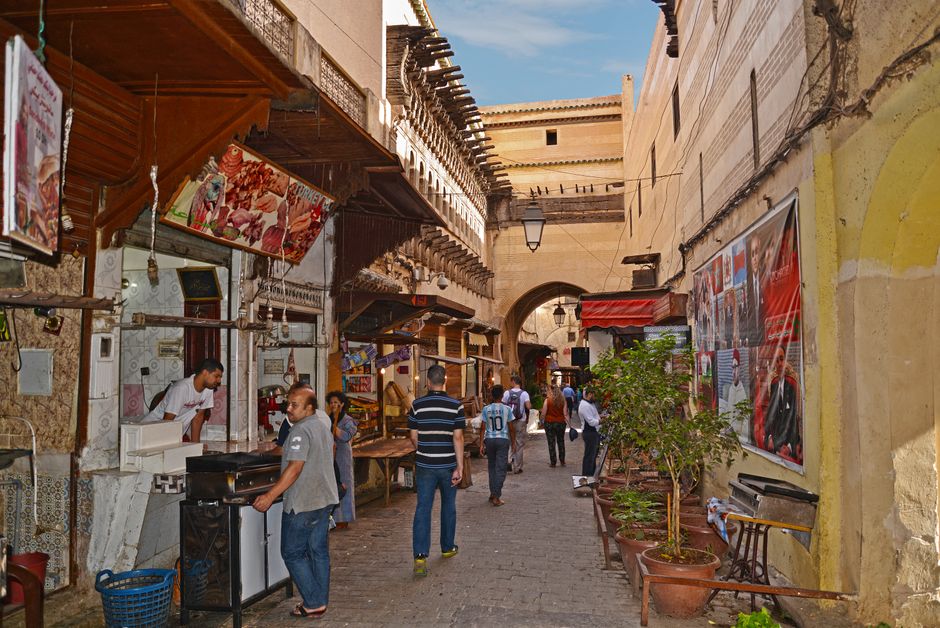
Can a woman travel alone in Morocco without turning every day into a safety exercise? Yes, if you keep the first trip small, arrive in daylight, prebook the first transfer, and choose two bases instead of racing across the country. Morocco rewards a slower plan: one historic city, one coastal town, simple transport, and enough time to learn how each place feels.
Is Morocco safe for solo women on a first trip?
What the official advice says
Morocco is not risk-free, but it is a realistic destination for a prepared solo traveler; the U.S. State Department currently advises increased caution because of terrorism risk, while UK travel advice also highlights unwanted attention toward women traveling alone, petty theft in crowded tourist districts, occasional violent crime, and risks from unofficial guides, unlicensed taxis, isolated streets, and poorly lit beaches, so the right verdict is clear: visit Morocco, but treat arrival logistics, nighttime movement, and crowded medinas as safety decisions rather than details to solve after landing.
What calm travel looks like
A calm first trip means booking accommodation with a staffed reception and many recent reviews, sending your daily route to one trusted person, using a local SIM or eSIM, keeping your passport in a locked room safe or hidden pouch, dressing in loose clothing that covers the shoulders and knees in conservative areas, refusing persistent offers with a short no thank you, and leaving any street, taxi, café, or tour that makes you uncomfortable without worrying about being polite; for current entry rules, check Morocco’s official entry and visa checker before paying for flights, and review the latest travel advisory shortly before departure.
What is the calmest Morocco itinerary for a first solo trip?
The two-base route that works best
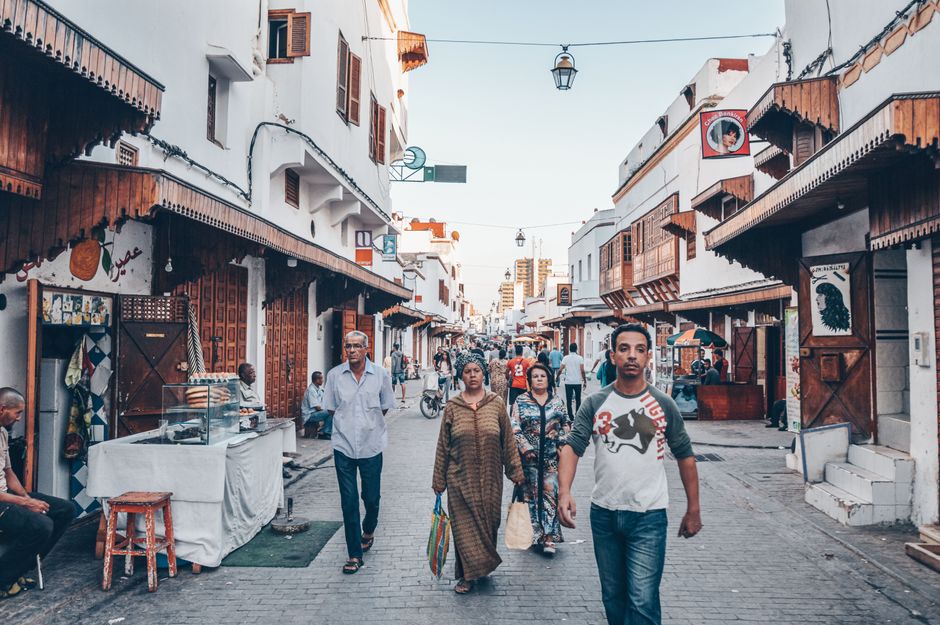
For a first visit, I recommend Marrakech plus Essaouira rather than a Marrakech, Fes, Sahara, and Chefchaouen circuit; the shorter route reduces hotel changes, long road transfers, and the chance of arriving tired in an unfamiliar place.
| Day | Base | Plan | Why it works |
|---|---|---|---|
| 1 | Marrakech | Arrive in daylight, use a prebooked transfer, check into a staffed riad or hotel | No negotiating while jet-lagged |
| 2 | Marrakech | Bahia Palace, Mellah, souks before sunset | Busy sights first, quieter evening |
| 3 | Marrakech | Jardin Majorelle or a cooking class with a registered provider | One planned activity, plenty of recovery time |
| 4 | Marrakech | Slow morning, then an afternoon transfer to Essaouira | Shorter coastal change of scene |
| 5 | Essaouira | Skala, port, medina, and a busy beachfront walk | Compact center and easy daytime exploring |
| 6 | Essaouira | Market, café, beach, and a booked return transfer | A buffer day protects the trip from delays |
| 7 | Departure | Return to Marrakech early or spend the final night near the airport | Less pressure before the flight |
What to skip on this trip
Skip an overnight Sahara excursion unless you actively want a long road journey, basic facilities, early departures, and a group-tour structure; the desert can be spectacular, but a two-day route often adds eight or more hours of driving each way and leaves little room for a missed connection or a poor night of sleep. A calm first trip is not a checklist competition. Two places done well beat five places seen through a minibus window.
How should a solo woman move around Morocco?
Use this transport order
- Prebook the first airport transfer. Ask the accommodation to send the driver’s full name, vehicle details, meeting point, and expected price before you fly. Keep the address written in French or Arabic as well as English.
- Travel between cities during daylight. Morocco’s rail network connects major cities, and the official ONCF booking system is the best place to check current schedules and fares. Al Boraq high-speed trains connect Tangier, Kenitra, Rabat, and Casablanca, but the Marrakech-to-Essaouira route needs a coach or private transfer.
- Use the right taxi type. In cities, use a registered petit taxi, agree on the fare or confirm the meter before moving, and avoid drivers who change the price after the ride. For a late airport journey, a prearranged hotel transfer is the better choice.
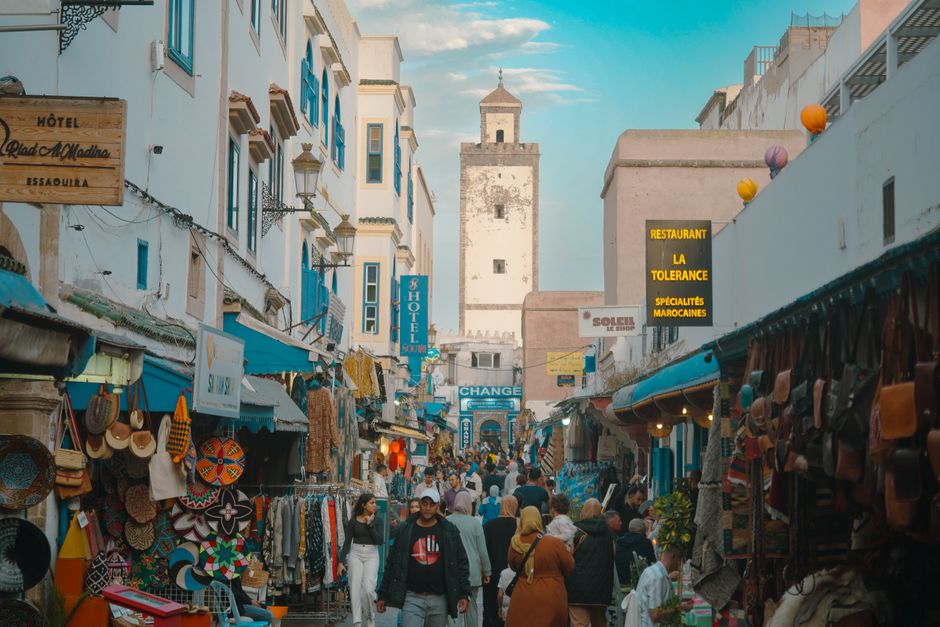
- Navigate medinas with a fixed destination. Save the riad’s location, phone number, and nearest main road offline. If someone offers to guide you, do not follow them automatically. Ask the accommodation to arrange an official guide with a visible badge.
- Build in a ten-minute exit plan. If a driver makes you uncomfortable, ask to stop near a hotel, pharmacy, police station, or busy shop. Move into a lit public place, call your accommodation, and share your location with your contact.
The best transport verdict
For most first-time solo visitors, trains are the strongest choice for long city connections, prebooked transfers are best for airports and late arrivals, and shared taxis or informal rides should not be your default when you are tired, carrying luggage, or unsure of the route.
What should solo women pack and book for peace of mind?
Spend money on reliable logistics, not survival-themed gear. A charged phone, a secure small bag, a backup payment method, and a hotel that answers messages will do more for a calm trip than a large backpack full of gadgets. The prices below are typical U.S. list prices and can change by market, so treat them as buying benchmarks rather than fixed Morocco costs.
The small security kit
The Apple AirTag costs about $29, measures 1.26 inches across, uses a replaceable CR2032 battery, and adds a useful location signal inside checked luggage; it cannot prevent theft, but it can help you identify where a delayed bag was last seen. For your daily bag, the Pacsafe Citysafe CX Anti-Theft Crossbody costs roughly $90 to $100, holds about 3 liters, and includes lockable zippers and slash-resistant construction. It is the best pick for crowded souks because it keeps the bag in front of you without looking like a hiking pack.
Power, water, and clothing
The Anker 323 Power Bank is usually about $25 to $30 and provides a 10,000 mAh reserve for a phone, maps, and emergency calls; charge it every night instead of waiting for the battery warning. A Nalgene Wide Mouth 32 oz bottle costs about $17, is easy to refill, and handles hot walking days better than relying on small plastic bottles. Pack one loose cotton shirt, wide-leg trousers or a long skirt, a lightweight scarf, a cardigan for air-conditioned transport, and shoes with a firm sole for uneven medina paving. You do not need a full wardrobe of conservative clothing; you need two outfits that feel comfortable, cover the shoulders and knees when required, and can be washed in a sink.
The booking choices that matter most
Choose a riad or hotel within a short walk of a main road, not the cheapest property hidden deep inside a maze of alleys. Confirm that reception operates late if your flight lands after dark, ask for the exact check-in process, and save a screenshot of the reservation. Buy travel insurance that covers medical treatment, trip interruption, and the activities you actually plan to do; a policy that excludes desert transport, hiking, or motorbike use is not useful for those activities. Carry one card separately from your wallet, keep a modest amount of cash for taxis and small cafés, and store passport scans in an encrypted cloud account. The most effective purchase is a dependable arrival plan.
What mistakes should solo women avoid in Morocco?
Should you accept help from anyone offering directions?
No. Friendly conversation is common, but an unsolicited guide may expect payment or try to lead you to a shop, café, or isolated lane. Keep walking toward a staffed hotel, museum desk, or official tourism office and ask there. If you want a guide in a medina, book one through your accommodation or a recognized local provider and agree on the duration and price before starting.
Is modest clothing enough to prevent harassment?
No. Clothing can show respect for local customs, but it does not make harassment your fault or guarantee that it will stop. Wear loose layers because they are comfortable and useful, then focus on practical boundaries: do not share your hotel name with strangers, avoid empty streets after dark, keep valuables out of sight, and use a firm no while continuing toward a busy place. You are allowed to end conversations quickly.
When should you choose a group trip instead?
Choose a small-group tour or a trusted travel companion if you dislike negotiating transport, need fully accessible routes, want to trek in remote mountains, or know that persistent attention would make you anxious every day. A group is not a failure of independence; it is the better format for a trip whose main purpose is hiking, desert camping, or reaching remote villages. For a first independent visit, the strongest compromise is a private arrival transfer, two simple bases, daytime movement, and one organized activity at a time.
The single most important rule is to make Morocco smaller, slower, and easier to leave at every step.