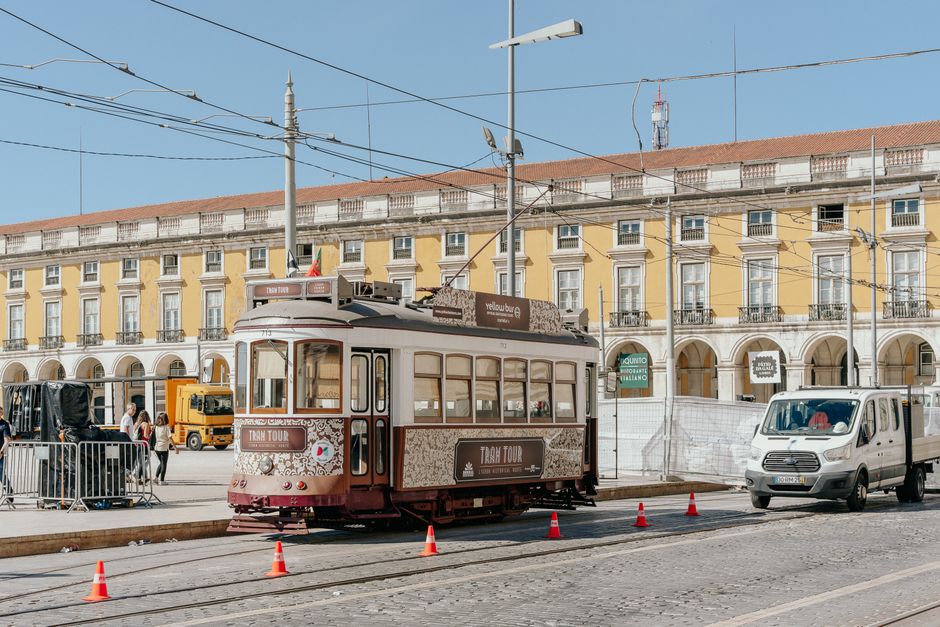
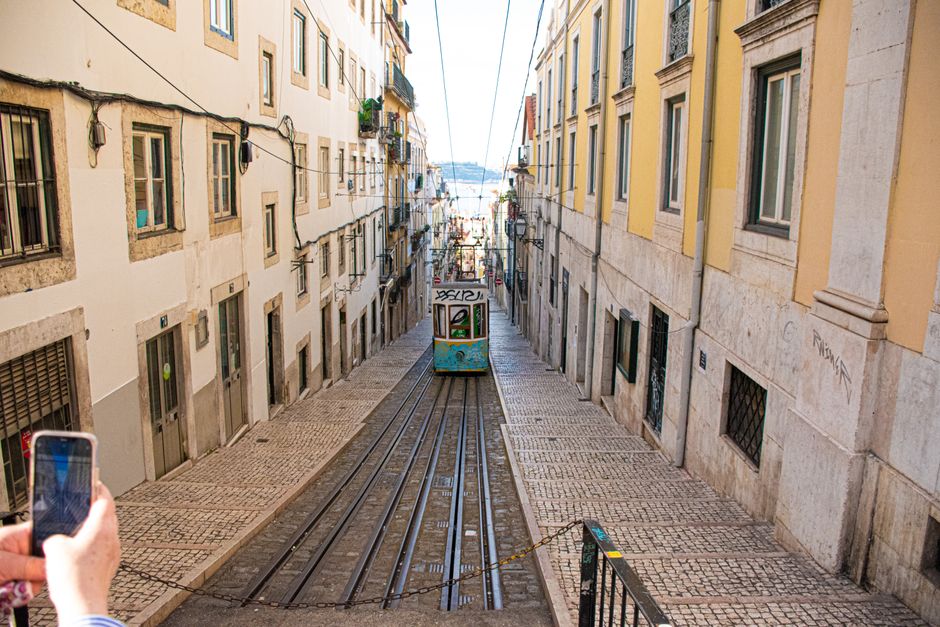
You arrive in Lisbon at 9:30 p.m., roll a suitcase over polished calçada stones, and realize your accommodation sits at the top of a hill you did not know existed. The street is busy enough to feel comfortable, but the nearest sign is in Portuguese and your phone battery is down to 18 percent. That moment is when a Lisbon trip either starts to feel exciting or unnecessarily hard.
I prefer Lisbon with a simple setup: sleep near reliable transport, keep the first night easy, and plan day trips around direct trains rather than heroic logistics. Lisbon is a friendly city for solo women, but it rewards people who respect its hills, narrow lanes, busy trams, pickpockets, and late-night quiet streets. The safest plan is not to avoid the city. It is to remove the situations that leave you tired, lost, or carrying everything you own through an empty alley.
Which Lisbon neighbourhood fits a solo woman best?
How I rank the bases
My clear recommendation is Chiado for a first visit. It keeps the city walkable, connects easily to Baixa and Cais do Sodré, and gives you plenty of public places to step into if a street feels uncomfortable. The table below is how I would choose between the main areas.
| Neighbourhood | Best for | Late-night feel | Main drawback |
|---|---|---|---|
| Chiado | First-time solo visitors and central sightseeing | Busy on main streets, quieter on side streets | Hills and higher room prices |
| Baixa | Short stays and easy access to landmarks | Well-used near squares, emptier after shops close | Tourist crowds and pickpocket risk |
| Avenida da Liberdade | Wide pavements, hotels, and simple transport | Comfortable on the avenue, less lively behind it | More expensive and less local |
| Estrela or Lapa | Quiet stays and slower mornings | Residential and calm | More buses, fewer late food options |
| Parque das Nações | Modern buildings and airport convenience | Flat, bright, and predictable | Far from historic Lisbon |
What the table leaves out
Safety is not a permanent label attached to a neighbourhood. A bright avenue can still have a distracted crowd, and a quiet residential street can feel perfectly fine at 8 p.m. The useful question is not which district is magically safe. Ask how you will get home, what stays open nearby, and how much navigation you will need after dinner.
Lisbon’s public transport makes central bases much easier. Carris lists a 2026 one-hour Carris and Metro ticket at €1.90, a 24-hour Carris and Metro ticket at €7.25, and a 24-hour ticket including CP urban trains at €11.40. Check the official Carris fare sheet before travelling because prices and conditions can change. I would still choose accommodation close enough to walk home from dinner. Transport is a useful backup, not a reason to book somewhere isolated.
My Lisbon safety rule is simple: make nights boring
My strongest advice is to make the first two evenings deliberately uneventful: eat within a short walk of your accommodation, keep your phone in your bag instead of holding it above the crowd, carry only the cash and cards you need, and use a direct route home before the streets become quiet; Lisbon’s common solo-travel problems are usually small and avoidable rather than dramatic, so I do not spend the whole trip looking over my shoulder, but I also do not wander into unfamiliar hills after midnight just to prove I can, and I never let a stranger who has been drinking decide where the evening continues; the best safety system is a clear exit, which means knowing the nearest busy avenue, saving your accommodation address offline, keeping one charged power bank in your day bag, and telling one person at home which day trip you are taking; if a driver, guide, or fellow traveller makes you uncomfortable, politeness has already done its job and you can leave without explaining yourself.
The detail many visitors underestimate is fatigue. After a full day of hills, heat, tiled pavements, and crowded trams, people make worse decisions. I would rather skip one viewpoint than arrive back exhausted, hungry, and trying to navigate an unfamiliar street in the dark.
How to plan easy Lisbon day trips without creating a safety problem

The routes I would actually choose
- Sintra for palaces and scenery. Take the direct CP train from Rossio and expect roughly 40 to 50 minutes, depending on the service. Sintra is the most rewarding day trip, but it is also the easiest to over-plan. Choose one major palace and one town walk rather than trying to see everything. Pena Palace requires a timed reservation, and the official visitor guidance warns about restricted private-car access and changing road conditions. Check the Parques de Sintra planning information before leaving Lisbon. For a solo traveller, the National Palace of Sintra is the simpler choice because it sits in the town centre. The adult essential visit is listed at €13 in 2026.
- Cascais for the easiest independent day. From Cais do Sodré, the coastal train takes about 40 minutes to reach Cascais. You can walk from the station to the old town, marina, and waterfront without needing a complicated plan. If you want a longer walk, continue toward Boca do Inferno in daylight and return before the evening gets quiet. The CP timetable shows frequent services across the Lisbon to Cascais line, but check the current schedule on the day because weekend and holiday patterns vary. Cascais is my pick for a first solo day trip because missing one attraction does not ruin the day.
- Queluz for a shorter palace visit. Queluz works when you want history without spending the whole day away. It is closer to Lisbon than Sintra, and the palace and gardens can fit into a half-day. The adult ticket for the palace and gardens is listed at €13 by Parques de Sintra. Go in the morning, return to Lisbon for lunch, and keep the afternoon flexible.
- Setúbal for seafood and a local-city feel. Setúbal is a better fit for a traveller who has already handled Lisbon’s transport and wants a less polished day. Check the train route from the station closest to your accommodation, keep the waterfront walk in daylight, and avoid adding a remote beach or long trail unless you have checked the return transport first. It is not as simple as Cascais, which is exactly why I would save it for a second or third day.
- Do not combine Sintra and Cabo da Roca casually. The map makes this look like one neat loop. In practice, buses, queues, weather, and attraction reservations can stretch the day. If you want Cabo da Roca, treat it as an add-on only after confirming the final bus back to Sintra. For a solo visit, a relaxed Sintra day beats a rushed list of landmarks.
Buy or check tickets before you leave, screenshot the return plan, and keep a small time buffer. A day trip feels safe when you still have options after one train is delayed.
Questions solo female travellers ask before booking Lisbon

Is Lisbon safe for a woman travelling alone?
Yes, Lisbon is a sensible choice for a first solo European trip, especially if you stay central and use normal city habits. The risks I plan around are pickpocketing on crowded transport, bag snatching in busy tourist areas, unwanted attention after drinking, and getting disoriented on steep side streets. I keep my bag closed in trams, avoid displaying my phone near doors, and move into a café or hotel lobby if someone keeps following or bothering me. That is practical caution, not fear.
Should I stay in Alfama?
Stay there if you love atmosphere and your accommodation is close to a main route with clear access. Do not choose the cheapest room simply because the photos show a beautiful view. Alfama’s stairs, cobbles, and maze-like lanes make late arrivals harder. For a first Lisbon visit, Chiado or Avenida da Liberdade is the better base because the route home is easier to understand when you are tired.
Which day trip is best for a solo beginner?
Choose Cascais. The direct train, compact centre, waterfront setting, and easy return make it forgiving. Choose Sintra when palaces and forests matter more than simplicity, but reserve the attraction and limit the itinerary. Skip a complicated private tour or a remote beach trip if the schedule depends on several transfers. You do not need to buy a tour to have a good day; you need a realistic route and enough daylight.
What should I do on the first night?
Take the simplest route from the airport, check in before exploring, and eat somewhere close. Save the address in your phone, charge your devices, and look at the next morning’s train or metro route while you still have energy. That turns the arrival scenario from a stressful test into a small, manageable start. By the time you roll your suitcase over the calçada stones, you should already know where you are sleeping, how you are getting back, and which easy day trip earns your first full day outside Lisbon.