A good group ski week is not the one where everybody follows the fastest skier. It is the one where nobody spends lunch wondering where the rest of the group went.
The problem is not ability; it is expectation
Put six friends in the Alps and the labels start quickly: beginner, cautious intermediate, confident red-run skier, expert. Those labels are useful for lessons and lift passes, but they do not explain how people want to spend a day. One strong skier may love long lunches. A newer skier may want to practise all morning and explore the village after two. Another person may not ski at all.
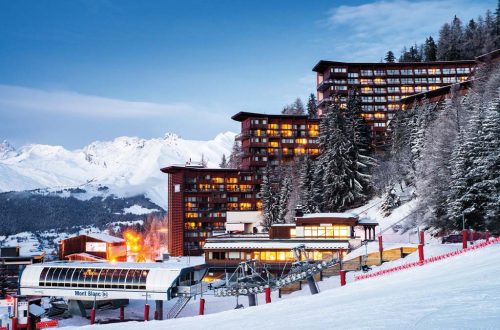
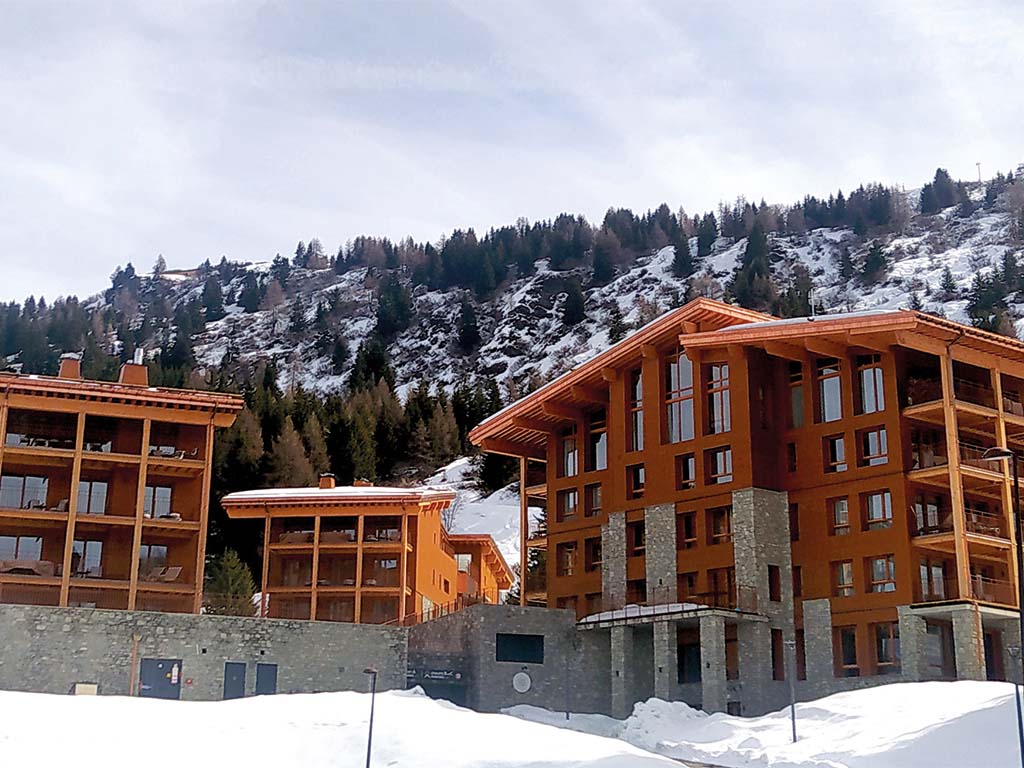
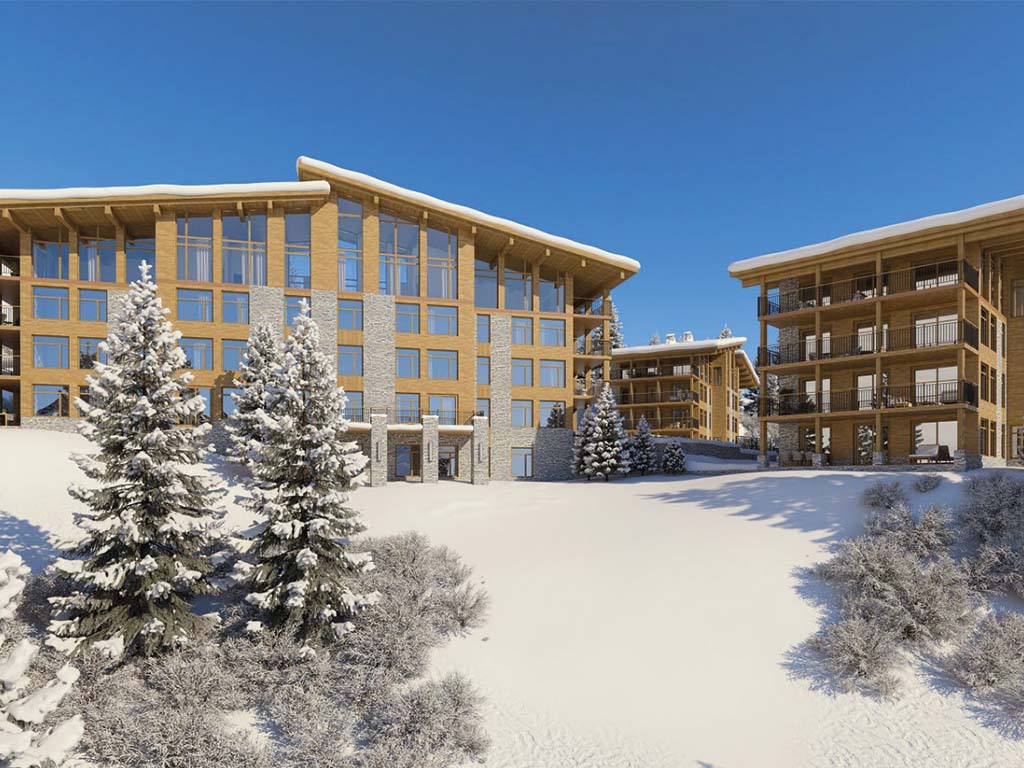
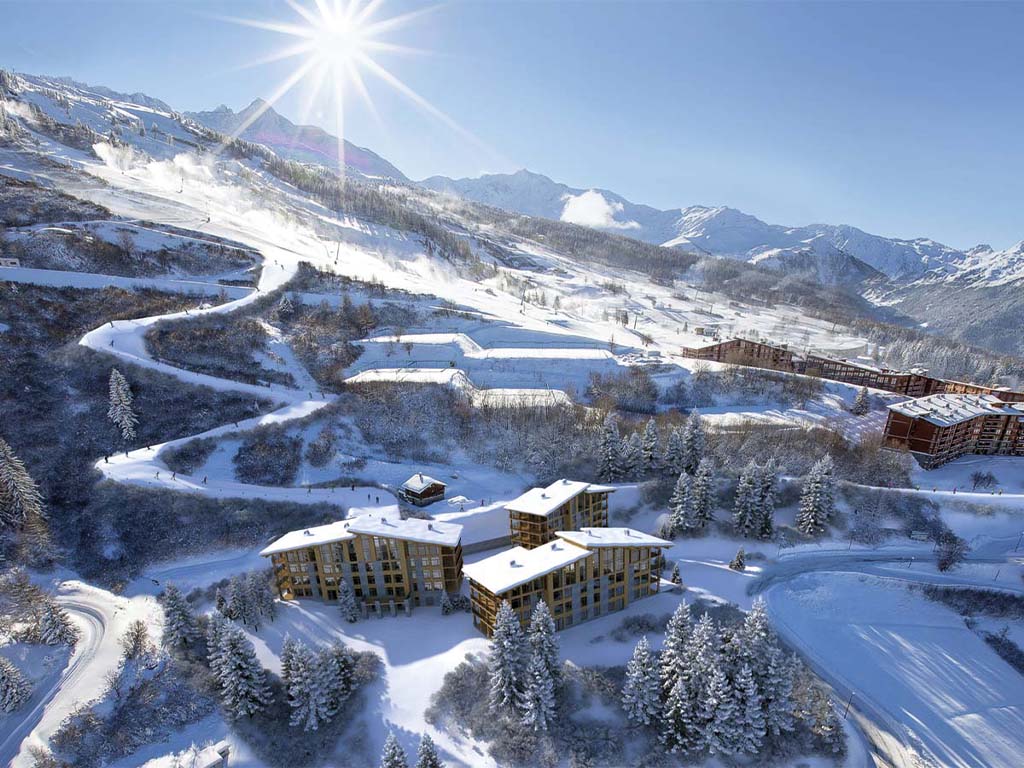
The answer is not a more detailed itinerary. It is a short agreement made before anyone buys a pass. Arc 1800 works well for this kind of group because it has access to the wider Paradiski area while still offering a lively village base. Residence Les Cristaux adds apartment space for six to ten people, plus ski storage, boot dryers and a wellness area. Those details matter when several different days need to end in the same place.
Write the pact before the piste map comes out
This is not a legal document or a holiday timetable. It is ten minutes of plain conversation that removes the most common sources of friction: pace, meeting points, lunch, cost, and what happens when weather changes the plan.
Nobody waits on a cold ridge
If a route is too difficult or too slow for part of the group, split before the lift rather than halfway down. Agree on a warm, named meeting place below.
One full-group meeting is enough
Choose lunch or the final drink, not both. People ski more freely when they are not racing the clock every ninety minutes.
The slowest phone sets the communication plan
Use a simple group message and pin the accommodation address. Do not depend on live location if somebody’s battery or roaming plan will not last the day.
Lift-pass ambition stays personal
A local pass can be better value for a learner who will use nearby terrain. A wider-area pass makes sense for skiers who intend to travel. Buying identical passes is not the same as planning fairly.
Changing the plan is allowed
Fresh snow, poor visibility, tired legs and lesson progress can change the day. The pact should make replanning easy rather than turn the original plan into an obligation.
Build pairs around mood, not status
A mixed group often splits more naturally by mood than by skiing level. The early pair wants first lift. The social pair wants a long mountain lunch. The cautious pair values a known blue route back to the village. The restless pair wants to cross into a different sector before noon.
Ask everyone to choose a preferred day, then pair people whose answers match. This avoids the awkward pattern where the most experienced skier becomes an unpaid guide and the least experienced skier feels responsible for slowing everyone else down.
Use the apartment as a reset station
Large apartments are sold by bed count, but group comfort depends on the systems around those beds. Assign a dry zone for gloves and goggles, a quiet shelf for chargers, and one visible place for passes and room keys. Wet kit should never migrate through the living room because one person could not find a free hook.
Les Cristaux has ski lockers and boot dryers, so use them consistently from the first evening. A five-minute reset after skiing is more valuable than a long search the next morning. The same principle applies to food: keep breakfast repetitive, make one communal dinner, and allow the rest of the week to be flexible.
The five-minute evening meeting
- Check the weather and lift status, not only the snowfall graphic.
- Name the first departure time and the optional later one.
- Choose one group meeting point that appears on everybody’s map.
- Confirm who needs lessons, rentals, groceries or a rest morning.
- Put one emergency contact and the residence address in the chat.
Plan for the non-ski hour
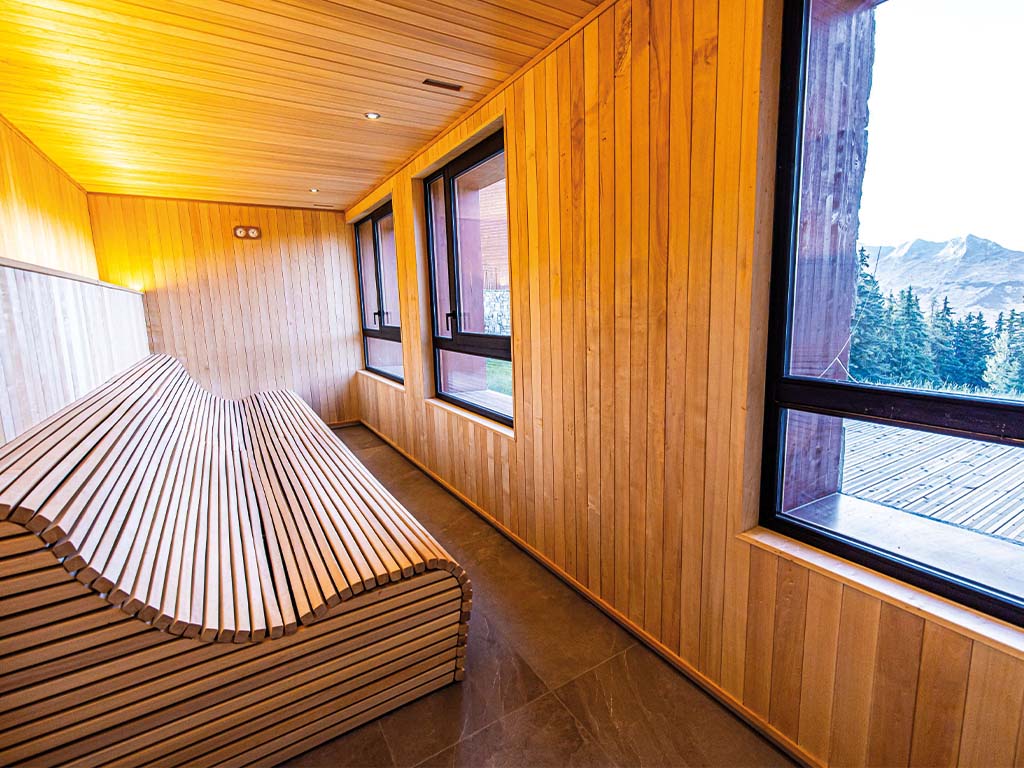
Mixed-ability trips improve when the accommodation offers something useful after the boots come off. A sauna, hammam and hot tub will not solve every group disagreement, but they create an easy shared hour that does not depend on speed or confidence. It is also a natural place to reconnect before dinner without forcing everybody into the same bar.
Rest is part of the ski plan, not a failed version of it. Someone who stops at two may be protecting tomorrow’s lesson. Someone who takes a full afternoon off may be the person with enough energy to cook, book dinner, or organise the next morning.
The measure of a successful week
Do not judge the holiday by how many kilometres the strongest skier covered. Ask whether beginners improved without pressure, experienced skiers found enough challenge, and everybody knew how to get home. If those three things happened, the group probably spent more time enjoying the mountain and less time negotiating on it.
The pact is deliberately small because the holiday should still feel spontaneous. It simply protects the decisions that become expensive or stressful when made at altitude, in ski boots, with half the group already disappearing onto a lift.