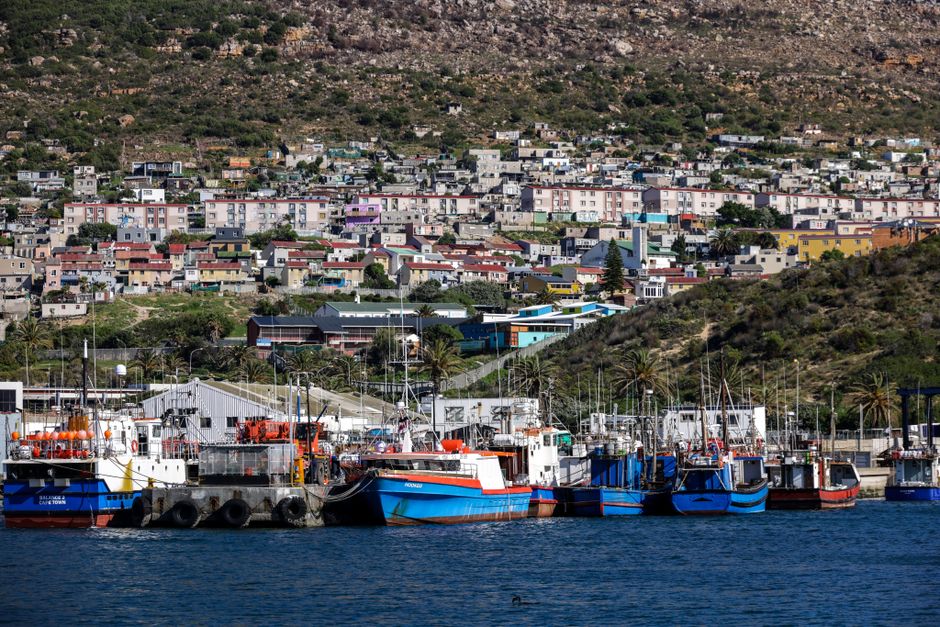
You arrive in Cape Town in late February or March with five days, a clear wish list, and one practical problem: Table Mountain, the Winelands, and Boulders Beach sit in different directions. Poor sequencing can turn a relaxed trip into a series of long transfers, closed gates, missed cable cars, and rushed tastings. This plan treats the trip as a timing problem. It also separates firm visitor rules from details that can change, such as ticket prices, operating hours, weather closures, and conservation fees.
Late summer usually brings warm, dry days, long daylight, and a better chance of clear mountain views than the wetter winter months. Wind still controls many decisions. The mountain can be sunny at street level and covered by cloud at the summit, while the False Bay coast can feel cool even on a bright afternoon. Check the official operator pages before leaving your accommodation, and keep one flexible half-day available.
Why late summer works for a Cape Town trip
What the season gives you
Late summer is the strongest period for a first Cape Town visit if your priority is outdoor sightseeing. February and March commonly offer warm conditions for walking, swimming, and vineyard visits, while the city has not yet moved into the cooler, wetter part of the year. The sun can be intense, so a hat, water, sunscreen, and a light long-sleeved layer belong in your day bag. Temperatures vary by neighbourhood and elevation; the top of Table Mountain can feel much colder than the V&A Waterfront.
The season also gives you longer usable daylight. That matters because the Cape Peninsula is not a quick loop. The drive from central Cape Town to Simon’s Town takes time, parking at popular sites is limited, and a visit to Boulders should not be reduced to a hurried photograph from a crowded boardwalk. A well-timed day leaves room for the penguin viewing area, a proper meal, and a short stop in Kalk Bay or Simon’s Town.
What the season does not guarantee
Late summer does not guarantee a clear summit. The cableway operates weather permitting, and the official operator can change hours or close the route when wind creates unsafe conditions. That is why Table Mountain should not be placed on the last morning of a short trip. A missed mountain visit is easier to repair on day two or three than on the day you fly home.
My recommendation is specific: put Table Mountain in the first half of the itinerary, reserve the peninsula for a day with manageable wind, and keep the Winelands away from the same day as Boulders. Three headline attractions deserve three separate blocks of time.
How to schedule the mountain, wine route and penguins
A practical five-day sequence
| Day | Main area | Suggested timing | Reason |
|---|---|---|---|
| 1 | City Bowl and waterfront | 09:00–18:00 | Recover from travel and learn the city layout |
| 2 | Table Mountain | 08:00–14:00 | Use the clearest available morning and retain a weather buffer |
| 3 | Franschhoek Winelands | 08:00–18:00 | Allow time for transfers, tastings, lunch, and a return journey |
| 4 | Boulders and the Cape Peninsula | 08:00–17:00 | Reach Simon’s Town before parking pressure builds |
| 5 | Flexible city or replacement day | 09:00–17:00 | Repair a weather closure or choose beaches, museums, or food |
This order is a recommendation, not a legal requirement, but it solves the most common planning error: treating Cape Town attractions as if they were all within walking distance. Table Mountain is close to the City Bowl, Franschhoek is inland and east of the city, and Boulders lies south along False Bay. Road conditions, weekend traffic, and weather can change journey times.
How to use the flexible day
If the mountain closes on day two, move the Winelands forward and reserve day five for Table Mountain. If the peninsula forecast looks poor, use day five for Boulders instead. This works because the itinerary protects one complete day rather than filling every morning and afternoon with prepaid commitments.
The strongest booking rule is simple: book fixed-entry attractions only after checking the weather window, and avoid placing two nonrefundable regional excursions on consecutive days. For a short trip, flexibility has more value than squeezing in one additional stop.
Table Mountain: cableway, hike or replacement day?
The cableway case
For most first-time visitors, the Table Mountain Aerial Cableway is the best choice because it gives access to the summit without spending several hours climbing. The ride takes about five minutes and reaches a summit roughly 1,067 metres above Cape Town. Prices and times can change, so treat those figures as a planning reference rather than a permanent promise.
The cableway is also the more sensible option for travellers with limited mobility, families carrying young children, and anyone combining the mountain with another city activity. Buy through the official ticketing route, check the operating status on the day, and leave time for queues even after buying online. The operator states that online tickets can be valid for seven days, which can help when weather interrupts the original plan.
The hiking case
Hiking is the better choice for experienced walkers who want the ascent itself, not only the view from the top. Routes differ in difficulty, shade, exposure, and navigation demands. Platteklip Gorge is direct and steep; it should not be treated as a casual urban stroll. Carry water, start early, check the forecast, stay on marked paths, and do not hike alone in poor visibility. A one-way hike combined with a cableway descent can be a strong compromise, but only when the cableway is operating and the group can manage the climb.
Do not force either option. If clouds cover the summit or strong wind is forecast, choose the replacement day. The mountain will still be there, but a rushed hike in bad conditions can turn a scenic plan into a safety problem.
What visitors must know before seeing the penguins
Is Boulders Beach the same as the penguin viewing area?
No. Boulders forms part of Table Mountain National Park and includes beaches, boardwalks, and a designated penguin viewing area. The official SANParks guidance describes three beaches, one penguin viewing area, and three boardwalks. The conservation fee is separate from ordinary beach expectations, and current tariffs should be checked before travel because the fee schedule changes. The area is popular in late summer, and SANParks advises visitors to arrive early because parking is limited.
What conduct is required?
Stay on the boardwalks in the viewing area, keep your distance, and never touch, feed, chase, or block a penguin. African penguins are endangered, and the rules protect both the birds and visitors. The beach sits within a marine protected area, so removing marine life is prohibited. Alcohol and smoking are also prohibited at the Boulders site. These are not suggestions designed to improve photographs; they are conditions of responsible access to a protected place.
Plan for tides and wind. SANParks notes that beach space depends on the tide, with low tide often providing better access. Wear shoes that can handle sand and uneven paths, and bring a layer for the False Bay breeze. Arrive early, see the colony before the strongest midday crowds, then continue to Simon’s Town or Kalk Bay for lunch.
The clear verdict is to treat Boulders as a wildlife visit, not a guaranteed swimming session. The penguins determine the distance, the boardwalk determines the viewpoint, and the weather determines how long you will want to stay.
The best five-day plan for a first visit
Day-by-day execution
For a first visit, the best plan is Table Mountain early, Franschhoek as a full day, and Boulders as a separate peninsula day. Begin with a relaxed city day covering the Waterfront, Bo-Kaap, or the Company’s Garden, depending on your arrival time. Use day two for Table Mountain after checking the live weather status. If the summit is closed, move the city day or Winelands day forward and return to the mountain on day five.
Give Franschhoek the third day. Use the official Wine Tram timetable or a sober driver, visit two or three estates, and reserve lunch. Give Boulders the fourth day. Arrive early, follow the boardwalk rules, and add Simon’s Town or Kalk Bay only after the penguin visit. Use day five for the activity that lost to weather, or choose a lower-risk city option such as the Zeitz Museum of Contemporary Art Africa, Kirstenbosch, or a coastal walk suited to the conditions.
How to judge the plan
A successful itinerary does not require perfect weather every day. It requires enough slack to move one major activity without damaging the rest of the trip. Check the official Table Mountain Aerial Cableway page for current hours and ticket terms, the SANParks page for Boulders rules and tariffs, and the Franschhoek Wine Tram page for current routes and departures before setting out.
Late summer rewards travellers who respect geography, wind, wildlife rules, and operating schedules. The single most important takeaway is to plan Table Mountain, the Winelands, and Boulders as three separate experiences with one flexible day to absorb Cape Town’s changing weather.