Winter train travel in Europe is faster than flying when you factor in airport transfers and security lines. A train from Paris to Amsterdam takes 3h20m city center to city center. The same flight takes 1h15m in the air, but add 2 hours at each end. The train wins.
But winter throws specific problems at rail travel: canceled trains from snow, frozen tracks, shorter daylight hours, and luggage that doubles in size because of coats and boots. This article covers the real routes worth your money, the actual costs, and exactly what to pack so you don’t freeze or sweat.
Best Winter Train Routes in Europe (and What They Cost)
Not every scenic route runs in winter. Some alpine lines close. Others become the best show in Europe. Here are the routes that deliver in snow season, with real 2026 ticket prices.
| Route | Train | Duration | Winter Price (one-way) | Why It Works in Winter |
|---|---|---|---|---|
| Paris → Chamonix | TGV Lyria + SNCF | 5h30m | €49-€89 | Direct connection to Mont Blanc ski resorts |
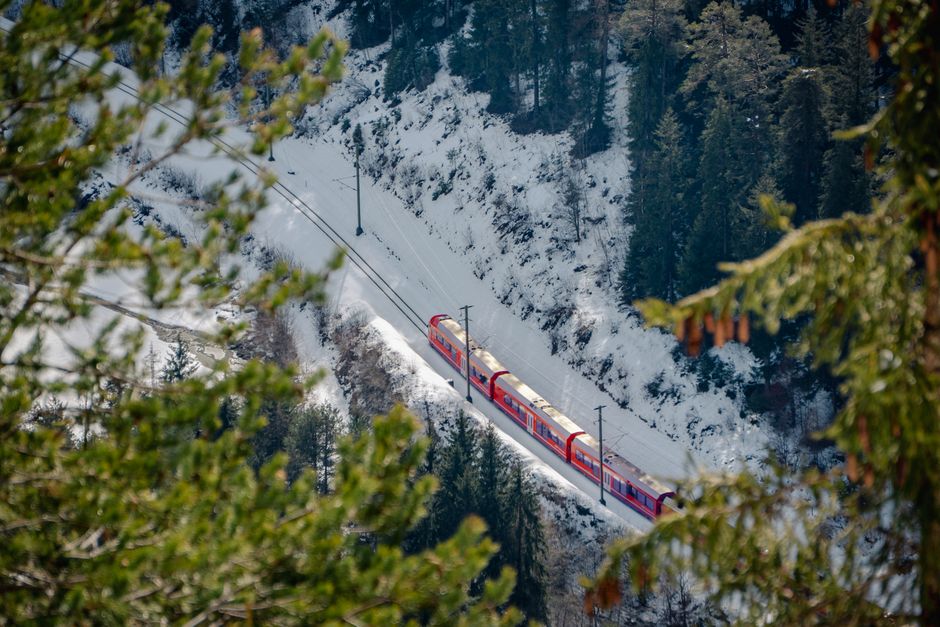
| Zürich → St. Moritz | Glacier Express / regular IC | 3h30m | €60-€120 | Snow-covered Alps through heated panoramic cars |
| Vienna → Innsbruck | ÖBB Railjet | 4h | €30-€70 | Reliable in snow, runs hourly |
| Berlin → Prague | ÖBB / Deutsche Bahn | 4h30m | €25-€50 | Cheap, frequent, both cities magical in snow |
| Milan → Tirano (Bernina Express) | RhB Bernina Express | 2h30m | €40-€60 (seat reservation required) | UNESCO route over frozen lakes and glaciers |
The ÖBB Railjet from Vienna to Innsbruck is the most reliable winter route in the Alps. Deutsche Bahn cancels more trains in snow than any other European operator. ÖBB runs on time even when the tracks are white.
The Bernina Express requires a mandatory seat reservation (€14-€25 extra). Book it 3 weeks ahead in December and January. It sells out.
How to Book Winter Train Tickets Without Overpaying
Buying tickets the wrong way in winter costs you double. Here is the exact strategy.
Book 3-6 months ahead for night trains. ÖBB Nightjet sleeper cabins sell out by October for December travel. A couchette from Vienna to Venice costs €60 if you book in September. Same ticket in December costs €120 or is sold out.
Book 2-4 weeks ahead for high-speed day trains. Eurostar, TGV, and Railjet use dynamic pricing. The €29 Eurostar ticket exists, but only 8 weeks out on Tuesday mornings. Set an alert on Trainline or the operator’s app.
Do not use Eurail Pass for winter travel unless you are covering 7+ train days. A 4-day Eurail Global Pass costs €220. Four individual tickets on the routes above cost €120-€200 total. The pass only pays off if you are doing long hauls like Paris → Vienna (€130 single ticket).
Never book same-day tickets for popular routes in December. The Bernina Express, Eurostar to London, and Paris to the Alps all sell out. You will pay €200+ for a first-class seat or wait 6 hours for the next train.
What to Pack for Winter Train Travel (Don’t Overpack)
The single biggest mistake winter train travelers make is packing too much. You carry your luggage through stations, up stairs, and onto trains. There are no porters. Keep it to one carry-on roller (55x40x20cm) plus one backpack.
Clothing system (not a list of items)
Base layer: One merino wool long-sleeve shirt. Icebreaker or Uniqlo Heattech. Wash it in the sink every 3 days. Dries overnight on a radiator.
Mid layer: A fleece or thin down jacket. The Patagonia R1 or Decathlon MT100 down jacket ($40) works. This is the layer you take off on the train because the heating is always too high.
Outer layer: A waterproof shell with a hood. Not a fashion coat. A North Face Venture 2 or similar. Snow melts on trains. Wet wool smells. A waterproof shell keeps the moisture out.
Footwear: Waterproof boots with good grip. Ice on station platforms is real. Blundstone #550 or Merrell Moab 3 GTX. Do not wear fashion boots with zero tread. You will fall.
Accessories that matter: A thin beanie that fits under a hood. Gloves that work with a phone screen (touchscreen-compatible). A buff or scarf. Ears and hands get cold first.
Night Trains in Winter: Worth It or a Mistake?
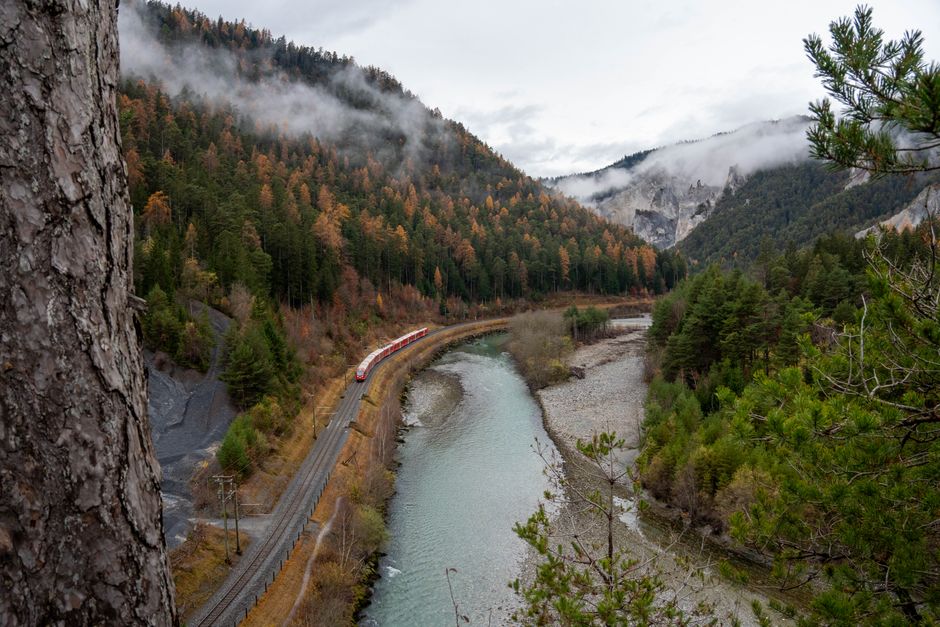
Night trains save you a hotel night and get you to a distant city by morning. In winter, they solve the problem of short daylight hours. You sleep through the dark and arrive when the sun is up.
ÖBB Nightjet runs the best network: Vienna to Rome, Zurich to Berlin, Munich to Milan. A couchette (shared 4-6 person compartment) costs €50-€80. A sleeper cabin (private, 1-3 people) costs €100-€200. The sleeper cabin includes a washbasin, sheets, and a breakfast roll.
The failure mode: You cannot sleep in a couchette with strangers if you are a light sleeper. The train stops at 3am. People get on and off. Lights flick on. Bring earplugs and a sleep mask. Or pay for the private cabin.
When NOT to take a night train: If your destination is less than 5 hours away by day train. The night train takes 8-12 hours because it goes slower and stops more. A 4-hour day train is faster and cheaper.
Winter Train Delays: What Actually Happens and How to Survive It
Deutsche Bahn has a 30% delay rate in winter. ÖBB has 8%. SNCF has 12%. You need a strategy, not hope.
Build a 2-hour buffer into every connection. If your train from Munich arrives at 14:00 and the next train to Salzburg leaves at 14:15, you will miss it. Book the 16:00 train. Pay €5 extra for the flexible ticket. It is insurance.
Download the operator’s app before you leave. The ÖBB app, DB Navigator, and SNCF app all show real-time platform changes. Station boards update slower than the apps. Follow the app.
Carry food and water. Station kiosks close at 8pm in smaller towns. Trains in winter sometimes stop for 45 minutes in the middle of nowhere because of frozen switches. A protein bar and a 1L water bottle cost €3 and save you from a hangry meltdown.
Know your passenger rights. If your train arrives more than 60 minutes late, you get 25% of the ticket price back. Over 120 minutes, 50%. File the claim online. Deutsche Bahn pays within 4 weeks. Most people do not claim. You should.
Eurail Pass vs Individual Tickets: The Winter Math
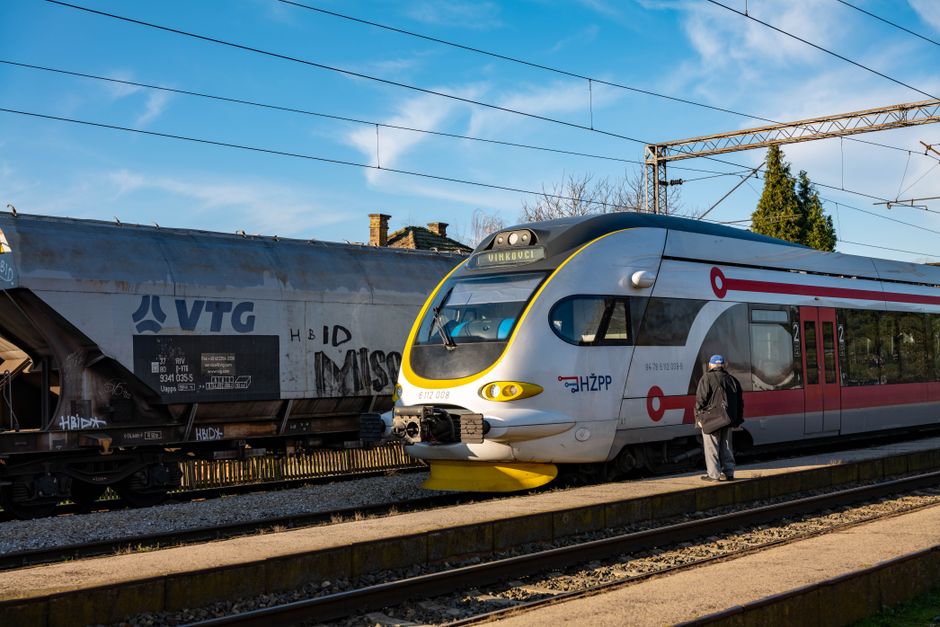
The Eurail Global Pass costs €220 for 4 travel days in 1 month (second class, adult). Individual tickets on the routes above cost €25-€130 each. The pass makes sense in exactly two scenarios:
Scenario 1: You are covering 7+ train days across 5+ countries. A 7-day pass costs €330. Seven individual tickets on expensive routes (Paris to Zurich, Zurich to Milan, Milan to Vienna) would cost €500+. The pass saves €170.
Scenario 2: You want flexibility. The pass lets you hop on any train any time (except night trains and Eurostar, which need reservations). If your plans change daily, the pass is worth the premium.
When the pass loses: Short trips. Berlin to Prague (€30 ticket) costs €31 per day of the pass. You lose money. Regional trains in winter also run less frequently. The pass does not help if the next train is 3 hours away.
My recommendation for winter 2026: Buy individual tickets for 1-3 train trips. Buy the Eurail pass if you plan 7+ days of train travel. Skip the pass for anything in between. The math does not work.