Everyone says Southeast Asia is cheap. That’s the line. You can live on $20 a day. Eat street food for a dollar. Sleep in a dorm for five bucks.
That was true in 2016. It’s not the full picture in 2026.
Prices have shifted. Tourism taxes have popped up. The dollar doesn’t stretch as far in Bangkok as it used to. But the region is still one of the best value destinations on earth — if you know where your money actually goes. Here’s my honest take on the real costs, the traps, and whether it’s still worth booking that flight.
1. The Real Numbers: What $40 Actually Buys You Now
Let’s kill the myth first. You can still backpack on $25-35 a day. But that means compromises. Street food only. No AC. Shared bathrooms. That’s fine for a week. For three months? Most people crack.
A realistic daily budget for a comfortable backpacker trip in 2026 looks like this:
| Expense | Thailand | Vietnam | Laos | Cambodia |
|---|---|---|---|---|
| Dorm bed (hostel) | $8-12 | $5-8 | $4-6 | $5-7 |
| Street meal | $2-3 | $1.50-2.50 | $1.50-2 | $2-3 |
| Sit-down restaurant | $8-12 | $5-8 | $5-7 | $6-9 |
| Local bus (2 hours) | $3-5 | $2-4 | $3-5 | $4-6 |
| Beer (local, bar) | $2-3 | $1-2 | $1.50-2 | $1.50-2.50 |
Thailand is the most expensive of the big four. A dorm in Khao San Road hits $12 in high season. A pad thai from a cart is still $2, but the sit-down version in a Chiang Mai cafe costs $8 now. Vietnam is still the king of value. A bowl of pho in Hanoi is $1.50. A private room in a guesthouse in Hoi An runs $12. That’s hard to beat.
Where the extra money goes
The price creep isn’t in accommodation. It’s in the extras. A scooter rental in Pai that was $5 a day is now $8. A SIM card with 10GB of data costs $10 instead of $6. National park entry fees in Thailand jumped 30% since 2026. The hidden costs add up fast.
2. The Biggest Budget Killer Nobody Talks About
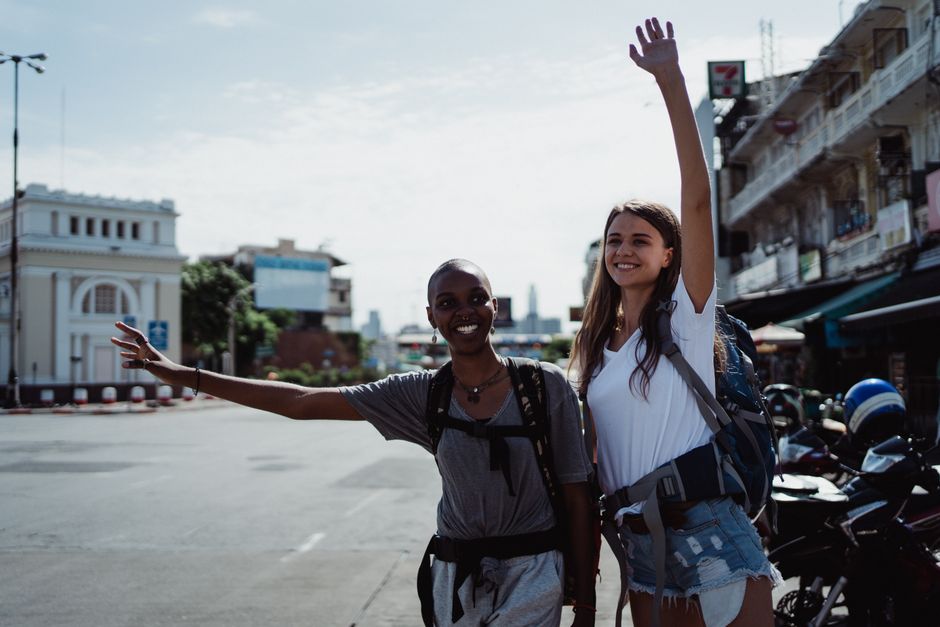
It’s not the beer. It’s not the accommodation. It’s the transport between countries.
Flying is cheap if you book early. AirAsia and VietJet run $30-60 hops between Bangkok, Chiang Mai, Hanoi, and Siem Reap. But overland border crossings eat your budget in ways you don’t see coming.
Take the Thailand to Laos route. The bus from Chiang Mai to Luang Prabang costs $25. That’s fine. But you’ll pay a $2 departure fee at the Thai border, a $5 visa on arrival for Laos, a $1 health form, a $3 bus station fee. Suddenly that $25 trip costs $36. Do that five times over three months and you’ve lost $55 in junk fees.
The visa trap
Visa costs are real. A 30-day Thai visa exemption is free. Stay longer and a 60-day tourist visa costs $40. Cambodia charges $30 for a visa on arrival. Vietnam’s e-visa is $25. Laos is $35. That’s $130 just to enter four countries. Budget for it.
My advice: Cross borders by land only when it saves you a flight. Otherwise, fly. The time saved is worth the extra $20.
3. Three Destinations Where Your Dollar Stretches Farthest
Not all of Southeast Asia is created equal. Some places are still dirt cheap. Others have caught up with global inflation. Here are the three that still deliver serious value in 2026.
Vietnam
Daily budget: $25-30. Vietnam is the clear winner. A private room in a homestay in Ninh Binh costs $10. A bowl of bun cha in Hanoi is $2. A 12-hour sleeper bus from Hoi An to Da Lat runs $10. The beer is $0.50 at a street stall. The only expensive thing is the Ha Giang Loop tour — expect to pay $150-200 for a 4-day motorbike trip with a guide. Still worth every dong.
Laos
Daily budget: $20-25. Laos is slower, quieter, and cheaper. A bungalow on the Mekong in Luang Prabang costs $8. A baguette sandwich from a street vendor is $1. The 4,000 Islands region is basically a $15-a-day paradise. The catch: transport is slow and uncomfortable. The buses break down. The boats leak. Factor that into your timeline.
Indonesia (outside Bali)
Daily budget: $25-30. Bali is not cheap anymore. A decent hotel in Canggu costs $40 a night. But Sumatra, Flores, and the Gili Islands are still affordable. A homestay in Bukit Lawang with meals included runs $15 a night. A ferry from Lombok to Flores costs $12. The diving in Komodo National Park is the best value in the world — $50 for a two-tank day trip.
4. What I Wouldn’t Spend Money On (And What I Would)
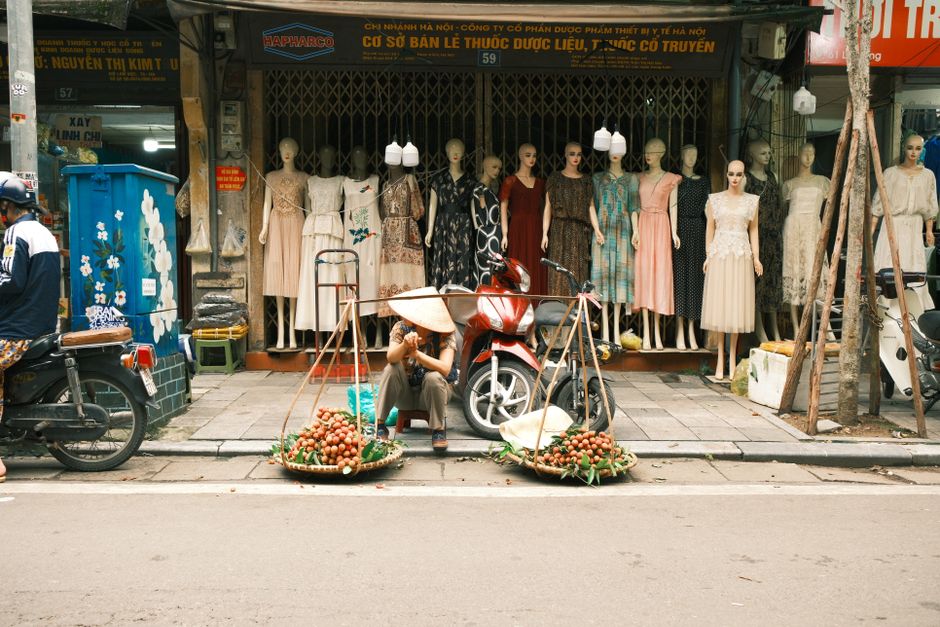
Here’s where most backpackers waste cash. And what’s actually worth it.
Skip these
- Tourist package deals. The $60 “full-day island tour” in Thailand is a rip-off. You get rushed through four stops, eat a mediocre buffet, and sit on a speedboat with 30 other people. Rent a longtail boat with friends for $20 each instead.
- Fancy hostels. A $15 dorm with a pool and a co-working space sounds great. But you’re paying for Instagram. A $6 dorm in a family-run guesthouse gives you the same bed, better food, and actual local interaction.
- Elephant sanctuaries. Most are still unethical. The few good ones (like Elephant Nature Park in Chiang Mai) cost $80 for a day visit. That’s a lot of money. Spend it on a cooking class instead — $30 for a half-day and you learn a skill.
Spend on these
- A good pair of sandals. The $5 flip-flops from the market will break on day three. Buy a pair of Teva Hurricanes ($60) or Chaco Z1s ($75). They last years. Your feet will thank you after miles of temple walking.
- A proper daypack. The 20-liter bag you brought from home is too small. A Osprey Daylite Plus ($75) carries water, snacks, a rain jacket, and a sarong for temples. It’s the most-used item on any backpacking trip.
- One good meal a day. Street food is amazing. But spend $8-10 once a day on a sit-down meal with vegetables and protein. Your body needs real nutrition after weeks of noodles and rice.
5. The Honest Verdict: Is It Still Worth It?
Yes. But not for the reasons you think.
It’s not worth it because it’s cheap anymore. It’s worth it because the experience is unique. The temples of Angkor Wat at sunrise. The chaos of a Hanoi intersection. The silence of a rice terrace in Sapa at dusk. You can’t replicate that in Europe for $50 a day.
Where it fails: If you’re looking for a luxury backpacking trip — private rooms, nice restaurants, AC everywhere, private transport — Southeast Asia is not the bargain it once was. You’ll spend $60-80 a day in Thailand doing that. At that point, you’re better off in Portugal or Mexico where the infrastructure is better.
Where it wins: If you’re okay with dorms, street food, and local buses, you can still do three months on $2,500-3,000. That’s a third of what a similar trip costs in South America or Eastern Europe. The value gap is still real.
6. One Mistake That Will Blow Your Budget (And How to Avoid It)
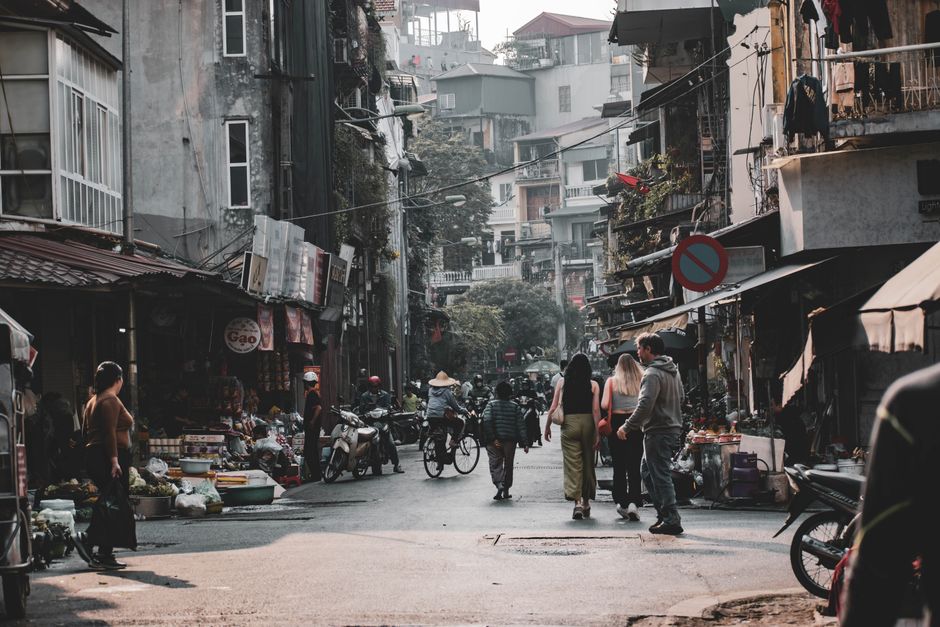
It’s the easiest trap. You land in Bangkok. You feel the heat. You see a taxi driver offering a flat rate to your hostel. It’s $15. The airport train costs $1.50. But you’re tired. You take the taxi.
That’s fine once. But do it every time you arrive in a new city and you’re bleeding money. A $10 taxi here. A $8 tuk-tuk there. A $5 “convenience fee” at a bus station. Over three months, these small splurges add up to $200-300.
The fix
Download Grab or Gojek before you land. These are Southeast Asia’s Uber equivalents. A Grab car from Bangkok’s airport to Khao San Road costs $5. A taxi from the same spot costs $15. The app shows the price upfront. No haggling. No scams.
Same for food delivery. GrabFood in Vietnam charges $0.50 delivery. You can order a $2 bowl of pho and have it brought to your hostel. That beats paying $6 at the tourist restaurant next door.
The second mistake: booking everything through your hostel. Hostel receptionists get commissions. That $40 “jungle trek” they sold you? It costs $25 if you book directly with the tour company in town. Walk two blocks and ask three operators. Prices vary wildly.
Bottom line: Southeast Asia in 2026 is not the dirt-cheap paradise of a decade ago. But it’s still the best value long-haul destination on the planet. Go. Spend wisely. Skip the elephant rides. Eat the street food. Take the local bus. You’ll come home with stories, not debt.