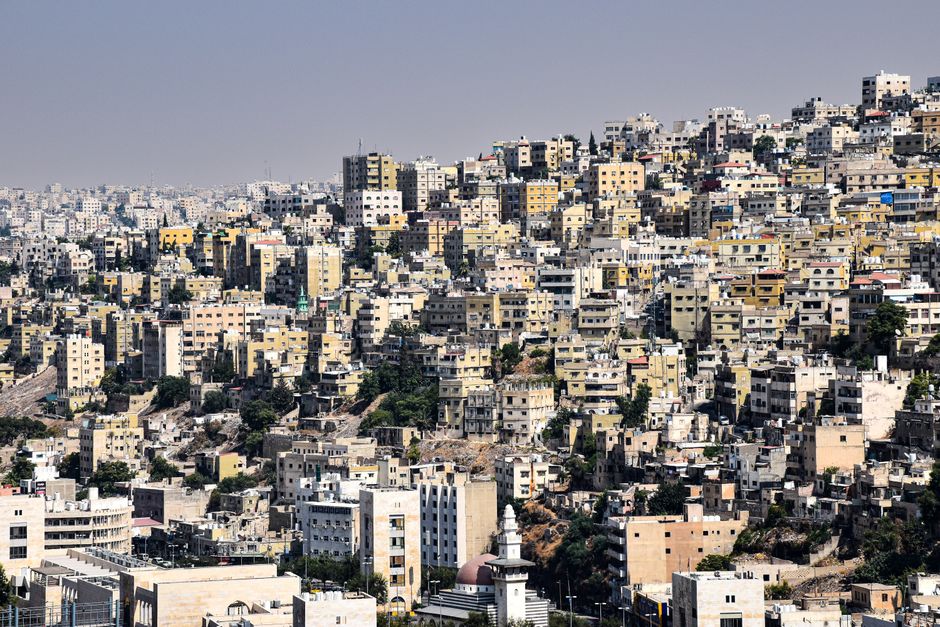
You land in Amman with five full days, a light jacket, and a plan that looks easy on paper: Petra, Wadi Rum, then the Dead Sea. By the third day, the plan starts to crack. Petra needs more walking than expected, the desert turns cold after sunset, and the Dead Sea sits farther from Petra than the map suggests. Jordan in spring rewards careful pacing, not a checklist.
March to May brings comfortable walking temperatures, green hills around Petra, and strong demand for rooms and desert camps. It also brings changing weather, busy archaeological sites, and sharp temperature differences between the highlands and the Jordan Valley. This guide gives you a practical route, realistic timing, current entry figures, and the mistakes that waste the most money.
When is Jordan in spring actually worth booking?
Spring gives you the best walking conditions
For most first-time visitors, spring is the strongest season for southern Jordan. Petra sits around 1,000 metres above sea level, so mornings can feel cool while afternoons become warm on exposed trails. March usually carries the greatest chance of chilly evenings and rain. April offers the best balance of mild days and longer daylight. May feels hotter, especially in Wadi Rum and around the Dead Sea, but it still works if you start early.
Use entry prices to build a realistic budget
Published visitor rates give you a useful starting point, but check them before departure because fees can change. The Jordan Pass often suits visitors who will see several paid sites and meet its visa conditions.
| Item | Published price | Best use |
|---|---|---|
| Petra one day | 50 JD | Only for a tightly planned visit |
| Petra two days | 55 JD | Best value for most walkers |
| Petra three days | 60 JD | Useful for long trails and a slower pace |
| Wadi Rum entry | 5 JD | Separate from camp and jeep-tour charges |
| Jordan Pass | 70, 75, or 80 JD | Choose by the number of Petra days |
My verdict: book spring for the walking, but choose April if you want the safest all-round weather. Pick March for greener scenery and lower demand, or May only if you can handle warm afternoons.
Why Petra should get two mornings, not one rushed day
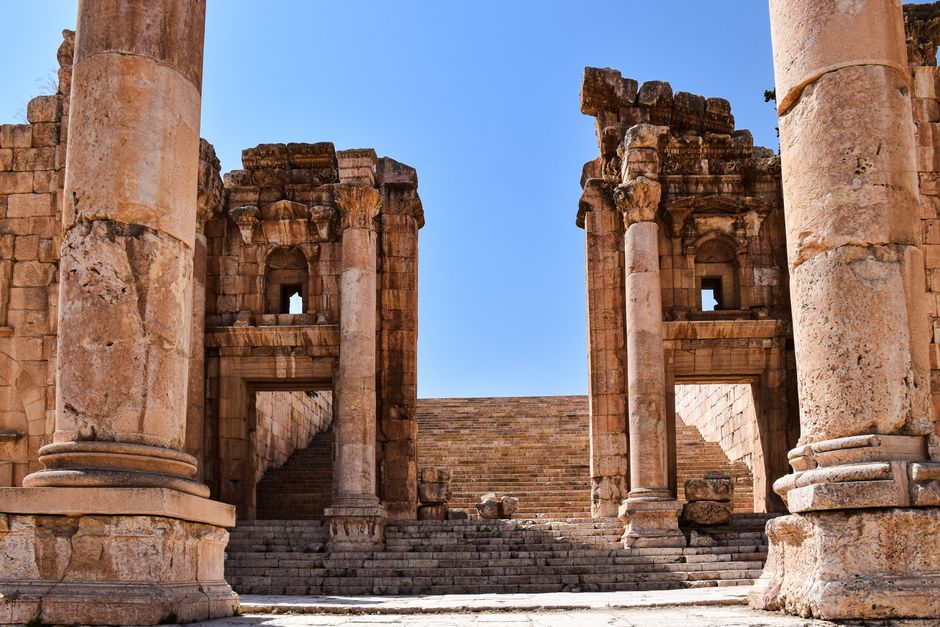
Give Petra two mornings. One day can cover the Siq, Treasury, Street of Facades, Colonnaded Street, and perhaps the Monastery, but it turns the site into an endurance test. Two mornings let you see the famous route before the heat and crowds build, then return for a longer trail when your legs and attention have recovered.
Start at the Visitor Centre
On the current official 2026 schedule, the main site opens at 6:00 AM from March 2 through October 1. Arrive early, walk through the Siq, and reach the Treasury before tour groups spread across the route. Take water, a hat, and shoes with real grip. The paving changes often, and the climbs to the Monastery, High Place of Sacrifice, and Al-Khubtha viewpoint include uneven steps.
Choose one serious climb per day
Do not plan every viewpoint on the same morning. On day one, continue from the Treasury toward the Royal Tombs and Colonnaded Street. On day two, choose the Monastery or Al-Khubtha viewpoint based on your fitness and weather. My verdict: two days beats one for almost everyone who wants to understand Petra rather than photograph the Treasury and leave.
How to plan Wadi Rum without buying the wrong experience
Decide if you want scenery, silence, or activity
Wadi Rum is not a single attraction with one standard tour. A short 4×4 loop focuses on red dunes, rock bridges, inscriptions, and sunset viewpoints. A longer route adds remote valleys and more time away from other vehicles. Camel rides offer a slower view of the desert, but they do not replace a jeep tour if you want to cover distance. Rock climbing and long hikes need a different plan, a local guide, and more daylight.
Stay overnight for the part day visitors miss
The desert changes after sunset. Spring evenings can feel cold even after a warm afternoon, and wind makes the temperature drop faster inside an open camp. Ask exactly what the camp includes: transfer from the village, dinner, breakfast, bedding, private bathroom, heating, and the length of the 4×4 tour. A low room rate can become expensive once transport and activities appear as extras.
Allow one full afternoon and one morning
Arrive early enough for a jeep tour before sunset, eat dinner at camp, and wake for the quietest light of the trip. The next morning works for a short walk or camel ride before driving onward. Trying to visit Wadi Rum between Petra and the Dead Sea in a few hours produces a photograph but not much of an experience. My verdict: one night is the minimum; two nights suit hikers, photographers, and anyone who dislikes being rushed.
Wadi Rum also exposes a common planning error: travellers compare camp prices without comparing location. Some camps sit close to the village and roads; others require a longer transfer into the protected area. Neither choice is automatically better. Choose the remote option for silence and stars, or the accessible option for a shorter transfer and easier onward travel.
What to pack for three different spring climates
Pack for elevation first
- Bring a warm mid-layer for Petra mornings and Wadi Rum after dark. A fleece or light insulated jacket works better than a bulky coat.
- Pack lightweight trousers, a breathable shirt, sunglasses, and a brimmed hat for exposed trails.
- Wear closed shoes with a firm sole. Smooth fashion trainers become uncomfortable on Petra’s worn stone steps.
- Carry at least 1.5 litres of water for a long Petra day, then refill when reliable facilities are available.
Protect yourself at the Dead Sea
- Bring sandals for the salt-covered shoreline and a swimsuit that you do not mind exposing to mineral water.
- Use a waterproof pouch for your phone. Salt crystals and wet hands create an easy way to damage electronics.
- Do not shave immediately before floating. Salt water can sting small cuts intensely.
The Dead Sea is lower, warmer, and more humid than Petra. A spring outfit that feels perfect in Wadi Musa may feel too warm there by midday. My verdict: use layers rather than one heavy jacket, and keep a dry change of clothes accessible instead of buried in your main luggage.
Petra, Wadi Rum and Dead Sea: what order works best?
Should you visit Petra before Wadi Rum?
Yes, if your trip begins in Amman and you want your hardest walking day while fresh. Drive south to Petra, spend two nights in Wadi Musa, then continue to Wadi Rum for one night. This route builds from history to open desert and avoids returning north after reaching the far south.
Should you visit the Dead Sea before Petra?
Choose the Dead Sea first if you arrive tired, need a recovery day, or plan to continue to Petra through the scenic King’s Highway. The Dead Sea works well as a short final stop too, especially after several walking days. The trade-off is distance: the drive from the Dead Sea to Petra takes roughly three hours without long stops, so do not treat it as a casual morning transfer.
What does a practical seven-day route look like?
| Day | Base | Plan |
|---|---|---|
| 1 | Amman | Arrival, food, and an easy city evening |
| 2 | Dead Sea | Transfer south, float, and rest |
| 3 | Wadi Musa | King’s Highway stops, then an early night |
| 4 | Wadi Musa | Full Petra route and Treasury area |
| 5 | Wadi Musa | Second Petra morning, then transfer to Wadi Rum |
| 6 | Wadi Rum | 4×4 tour, sunset, and desert camp |
| 7 | Aqaba or Amman | Short morning activity and onward travel |
My verdict: this order suits first-time visitors with a week. With only four nights, remove the Dead Sea or accept a rushed route. Do not remove Petra time to preserve every stop.
What to book in 2026—and what to skip
The bookings that earn their place
For a standard spring route, I would reserve two nights near Petra, one night inside or near Wadi Rum, and a Dead Sea stay only if you want an actual swim or spa day. The Jordan Pass deserves a calculation before arrival: its published tiers cost 70, 75, and 80 JD, while Petra alone costs 50, 55, or 60 JD depending on the number of days. It can also include more than 40 attractions and may waive the visa fee under its conditions.
For public transport, check the JETT schedule before relying on a same-day connection. A private driver costs more but gives you control over viewpoints and luggage. Royal Jordanian flights make sense when the domestic connection saves a long road transfer, but most visitors should spend that money on an extra Petra night instead.
The checks to make before paying
Verify the official Petra opening hours, check weather warnings for flash-flood risk, and compare the latest Jordan entrance fees with your route. Ask every camp or driver for the exact inclusions in writing. My final pick is simple: two Petra mornings, one proper Wadi Rum night, and the Dead Sea only when you can give it more than a hurried photo stop.