You arrive in Jongno just before lunch. The palace roofs glow in strong sun, the market lanes smell of mung bean pancakes, and by evening the heat has softened enough for a slow walk beside the Cheonggyecheon. That is the best rhythm for Seoul in early summer: history before the hottest hours, food when the city feels busiest, and water and lights after dark.
What early summer in Seoul actually feels like
Plan around heat, not distance
Early summer usually means late May through June. Seoul can feel bright and comfortable in the morning, then hot and humid between noon and 4 p.m. A route that looks short on a map may include exposed palace courtyards, uphill lanes in Bukchon, and long waits outside popular food stalls. The smart plan is not to pack more sights into one day. It is to place outdoor walking in the cooler edges of the day and reserve the middle for lunch, museums, cafés, or a hotel break.
Start with a palace around 9 a.m. The courtyards are quieter, photographs are cleaner, and you avoid the hardest sun. Move toward a market before lunch crowds peak. After that, take a slow indoor break. Seoul rewards visitors who leave space in the schedule.
The best three-part rhythm
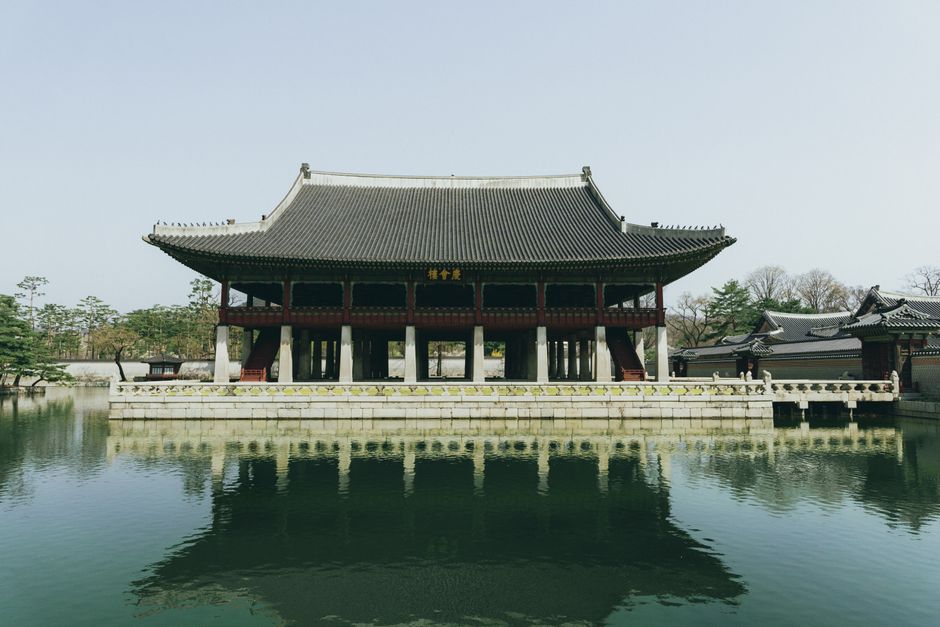
Morning is for architecture. Gyeongbokgung works well because its gates, throne hall, gardens, and National Folk Museum create a clear two-hour visit. June hours run from 9:00 a.m. to 6:30 p.m., with Tuesday closure and last entry one hour before closing. Check the current palace listing before leaving.
Afternoon is for food and recovery. Gwangjang Market’s food alley runs until 11 p.m., but visiting around 11:30 a.m. gives you more room to sit and choose. Evening is for the stream. Cheonggyecheon is cooler than the surrounding streets and gives the day a calm finish without another ticket or reservation.
Which palace should you visit first?
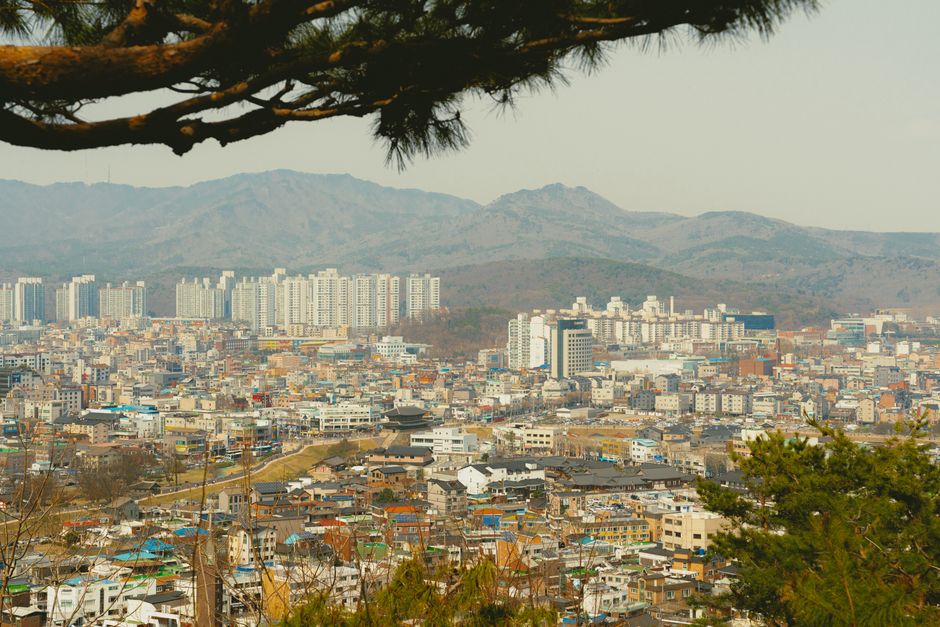
Gyeongbokgung is the clear first choice
For a first Seoul visit, choose Gyeongbokgung Palace. It has the strongest visual payoff, the broadest courtyards, and the easiest connection to Gwanghwamun Square, Seochon, and Tongin Market. Arrive at 9 a.m., spend about two hours inside, then exit toward the west or south. The sequence feels coherent rather than rushed.
When Changdeokgung is the better choice
Choose Changdeokgung instead if you care more about gardens, intimate buildings, and a quieter Joseon setting. Its Secret Garden requires a separate timed visit, so it suits travellers willing to plan ahead. Do not force both major palaces into the same hot morning. The buildings overlap in historical theme, but the walking experience is different. One carefully chosen palace leaves more energy for the market and night walk that make this itinerary distinctive.
Skip palace-hopping if rain is likely. Wet stone courtyards, umbrellas, and slippery steps turn a second palace into a chore. Use the National Palace Museum or a nearby café as the backup, then return outdoors when the weather settles.
How to build a heat-smart palace and market route
A practical order for one long day
- 9:00 a.m.: Enter Gyeongbokgung through Gwanghwamun and walk toward Geunjeongjeon Hall before the courtyards heat up.
- 10:45 a.m.: Leave through the west side and continue toward Seochon or Tongin Market. Keep this section flexible; the best streets are for wandering, not ticking boxes.
- 12:00 p.m.: Eat lunch before the hottest part of the day. Tongin Market is the better pick for a compact lunchbox-style stop, while Gwangjang Market has the larger food scene.
- 1:30 p.m.: Take an indoor break for at least 90 minutes. A café, museum, or hotel room is more useful than another landmark.
- 4:00 p.m.: Move toward Jongno 5-ga and browse Gwangjang Market when the light softens.
- 6:30 p.m.: Walk west or east along Cheonggyecheon for the evening section.
What to carry
Wear shoes with grip rather than thin fashion sneakers. Palace stone can become slick after rain, and the stream path includes steps down from street level. Pack a small towel, sunscreen, a refillable water bottle, and a compact umbrella. A lightweight overshirt helps in air-conditioned restaurants and subway stations. Do not carry a large backpack into crowded market lanes; a crossbody bag that closes securely is easier to manage.
The key decision is simple: protect the middle of the day. The route works because it alternates open courtyards, food, shade, and water. Remove that recovery block and the same itinerary feels much longer.
Which Seoul markets earn the detour?
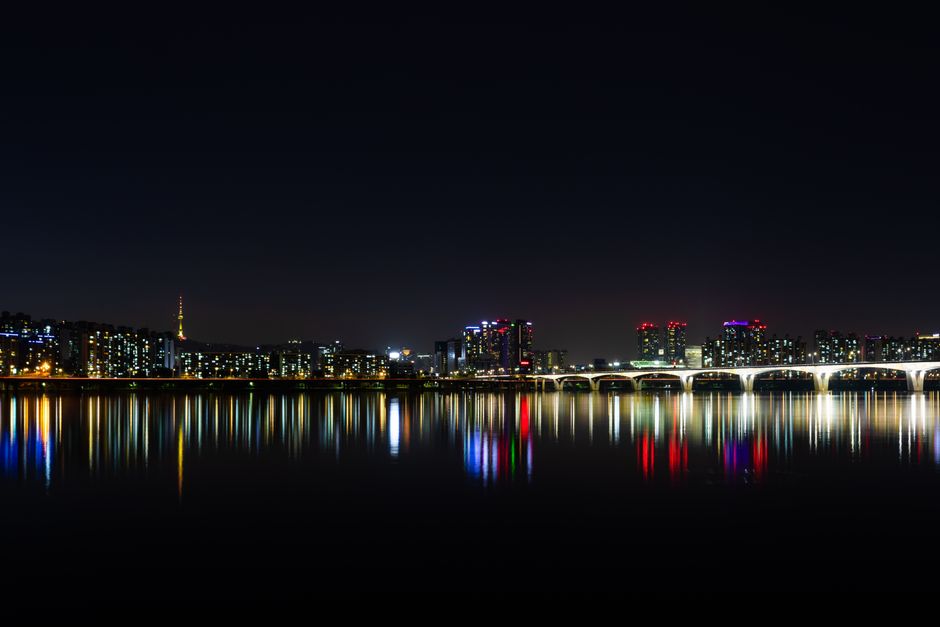
Market comparison for an early-summer day
| Market | Best time | Best for | Tradeoff |
|---|---|---|---|
| Gwangjang Market | 11:30 a.m. or after 6 p.m. | Bindae-tteok, mayak gimbap, lively food stalls | Crowded and noisy |
| Tongin Market | 11 a.m. to 1 p.m. | Compact lunch and Seochon streets | Shorter opening window |
| Namdaemun Market | Late morning | Shopping, accessories, local wholesale atmosphere | Stalls keep different hours |
Pick Gwangjang for atmosphere
Gwangjang Market is the strongest match for this itinerary. Its food alley is open daily from 9 a.m. to 11 p.m., while the broader market generally runs from 9 a.m. to 6 p.m. and closes on Sundays. Order one small dish at a time instead of committing to a full meal at the first stall. Bindae-tteok, mayak gimbap, dumplings, and fish cake give you a useful sample of the market without leaving you too full for dinner.
Pick Tongin for a calmer lunch
Tongin Market makes more sense after Gyeongbokgung if you want a quieter, shorter stop. Its dosirak lunchbox tradition lets you sample several side dishes, then continue through Seochon. Choose it when the heat is already wearing you down. Choose Gwangjang when the market itself is the main event.
Use Namdaemun only for a shopping goal
Namdaemun is vast, practical, and less focused than the other two. It is a good stop for socks, kitchen goods, sunglasses, souvenirs, and inexpensive clothing. It is a poor choice if you want a neat food-and-history route. The market has more than 10,000 stores, and individual stalls keep different hours. That scale is the attraction, but it also makes a casual visit feel scattered.
Cheonggyecheon at night: choose the right stretch
The best route is Cheonggye Plaza to Dongdaemun
My pick is the west-to-east walk from Cheonggye Plaza toward Dongdaemun. It gives you the clearest change in mood: office towers and public art near the centre, lower light and quieter water farther east, then the bright presence of Dongdaemun Design Plaza. Walk 30 to 45 minutes at an easy pace. You do not need to finish the entire stream.
Start around 6:30 or 7 p.m., when the pavement is cooler but the city still has energy. The stream sits below street level, so descend at a marked access point and stay on the public path. Sit near the water for ten minutes instead of treating the route like a transfer between attractions. The contrast is the point. Seoul’s traffic continues above you while the stream creates a slower, darker line through the centre.
Where to stop
Cheonggye Plaza works for photographs and a quick orientation. Gwanggyo Bridge is a good pause point, especially when evening lighting or public installations are running. Haechi Madang and the Gwanghwamun area add more public space if you prefer a shorter west-side walk. The official Seoul evening route lists the Cheonggyecheon Outdoor Library as a seasonal program, so check the schedule rather than assuming it operates every night. The route itself is free.
Do not plan a late dinner reservation at the far end unless you have checked walking time. You may stop often, and market traffic can slow the first part of the walk. For a relaxed finish, choose a restaurant near Jongno 3-ga or Dongdaemun rather than crossing the city after 9 p.m.
What should a three-day Seoul plan look like?
Use this simple sequence
| Day | Morning | Afternoon | Evening |
|---|---|---|---|
| Day 1 | Gyeongbokgung Palace | Seochon and Tongin Market | Gwanghwamun Square |
| Day 2 | Changdeokgung or Bukchon | Indoor museum and café break | Gwangjang Market and Cheonggyecheon |
| Day 3 | Namdaemun Market | Myeongdong or a chosen museum | Flexible neighbourhood dinner |
The compressed verdict
For a first visit in early summer, make Day 1 the palace-and-Seochon day, then put Gwangjang Market and the Cheonggyecheon walk together on Day 2. That pairing works because the market supplies the energy and the stream supplies the reset. Keep Day 3 flexible for weather, shopping, or a second palace if the first day felt easy.
Choose Gyeongbokgung for the strongest first impression, Tongin Market for a focused lunch, Gwangjang Market for food and atmosphere, Namdaemun for practical shopping, and Cheonggyecheon for the best free evening walk. Use T-money for a few rides, the Seoul Climate Card for heavy city transit, and AREX Express when airport speed matters more than cost. The winning plan is not the one with the most stops. It is the one that leaves you comfortable enough to enjoy the last walk.