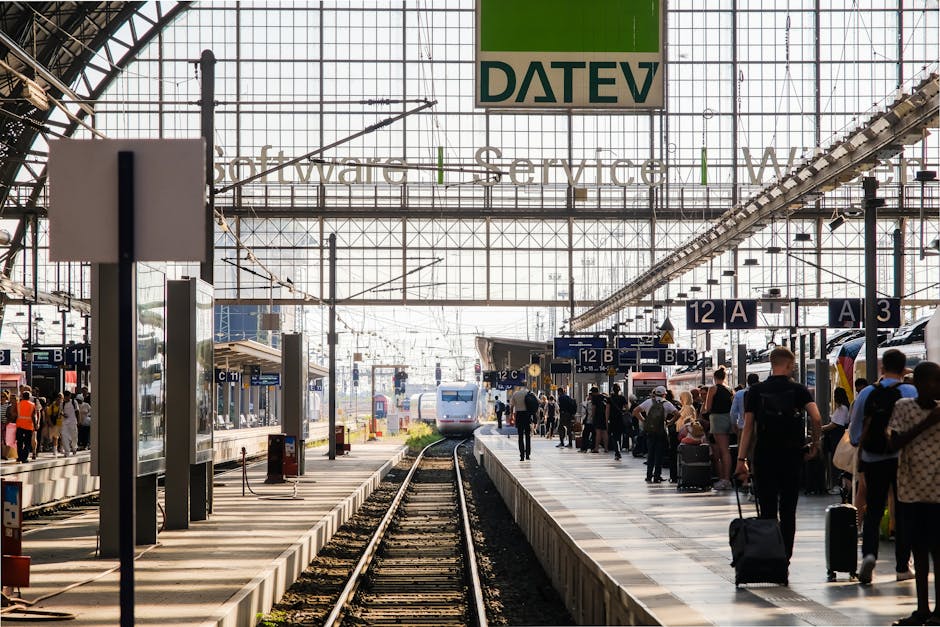
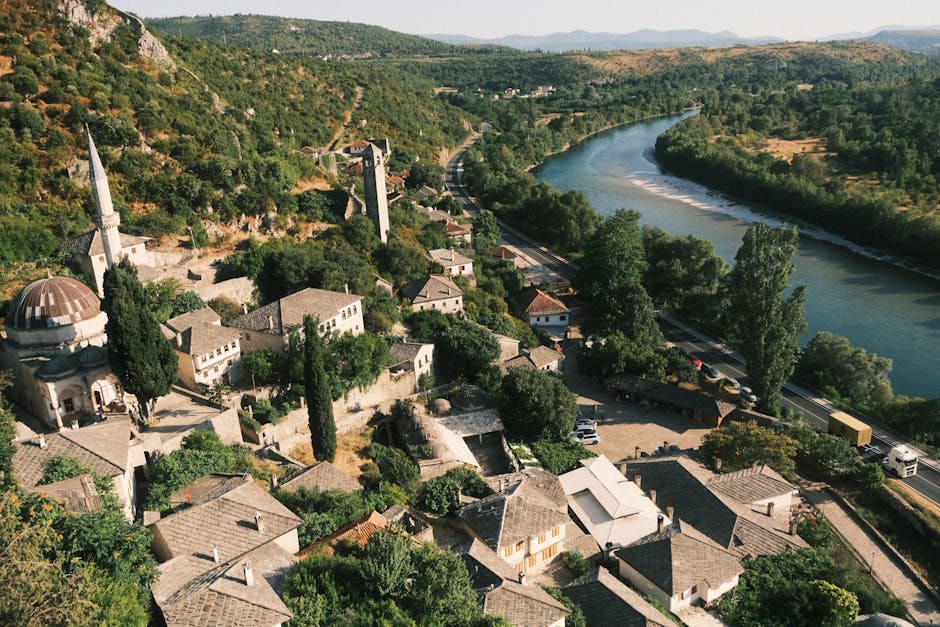
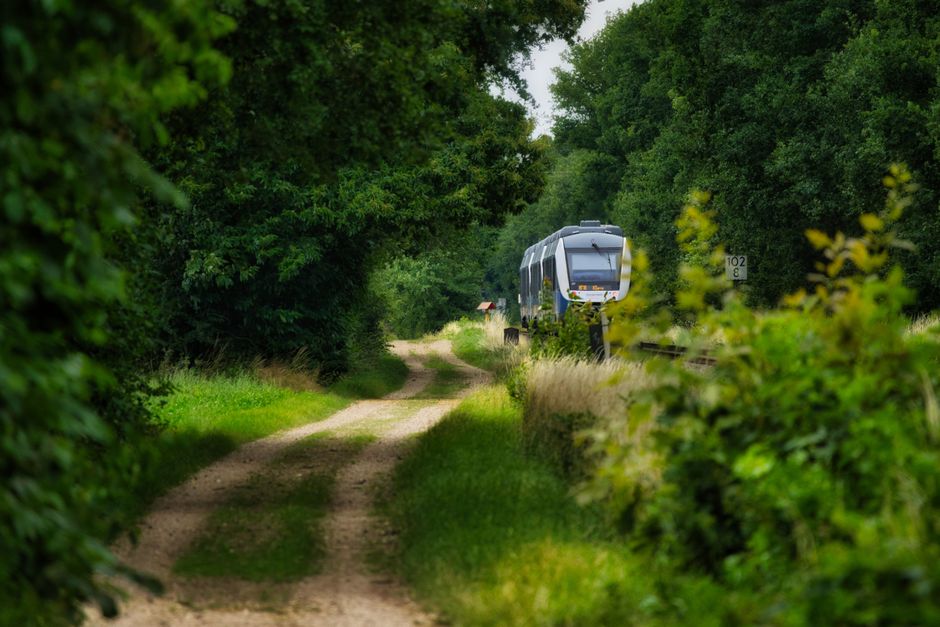
My strongest summer train tip is simple: travel after the morning rush, book a specific train early when your plans are firm, and choose a branch line instead of the obvious coastal express. Picture arriving at the station with a backpack, coffee, and a reserved seat in mind, only to find a platform full of families, suitcases, and people standing in the aisle. I have made that mistake more than once. The problem is rarely the train itself. It is usually the departure time, the ticket type, or the assumption that every scenic route feels relaxed in July. How to…
-
-
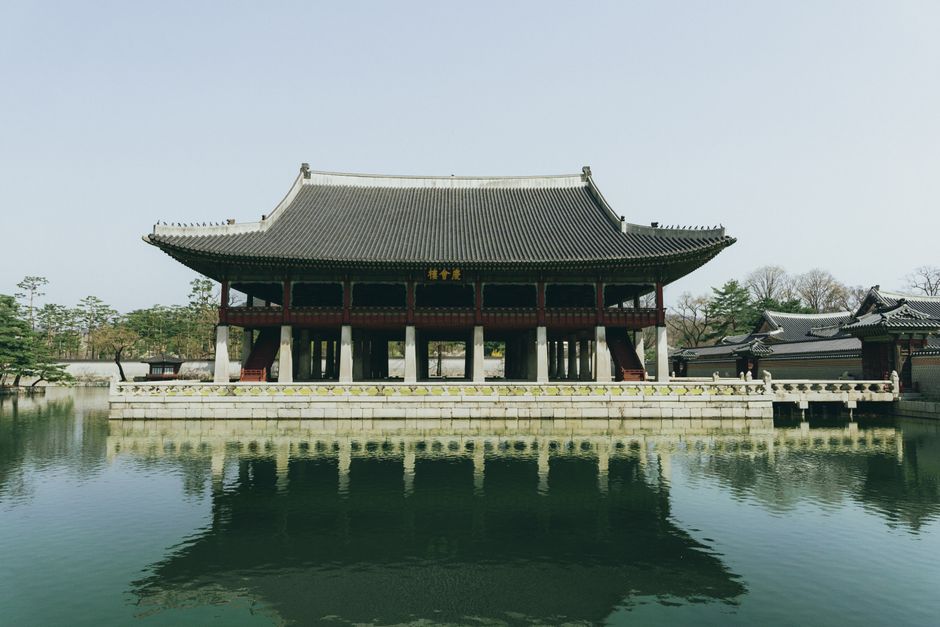
You arrive in Jongno just before lunch. The palace roofs glow in strong sun, the market lanes smell of mung bean pancakes, and by evening the heat has softened enough for a slow walk beside the Cheonggyecheon. That is the best rhythm for Seoul in early summer: history before the hottest hours, food when the city feels busiest, and water and lights after dark. What early summer in Seoul actually feels like Plan around heat, not distance Early summer usually means late May through June. Seoul can feel bright and comfortable in the morning, then hot and humid between noon…
-
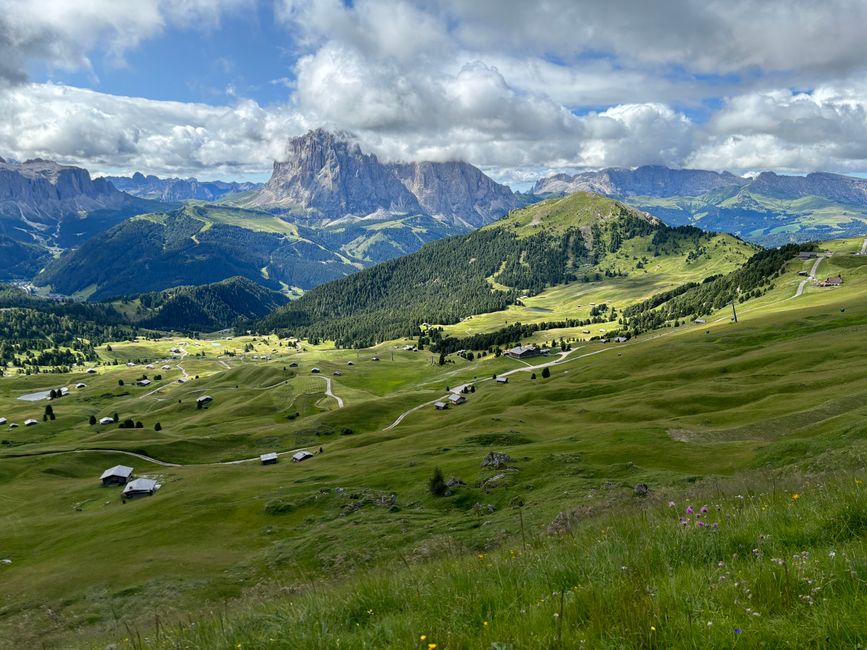
The common mistake is to treat June as full summer in the Dolomites. Valley meadows can be bright green while a trail at 2,500 metres still holds snow. Some huts open in the first week of June, while nearby lifts and high passes may start later. The reward is real: fewer crowds, long daylight, fresh alpine flowers, and clear views before the main July rush. The best June trip uses flexible routes, checks each hut directly, and keeps a lower-altitude backup for every high hike. Is June a good month to hike the Dolomites? What June does better than July…
-
A practical guide to airport parking, hotels and lounge extras for calmer UK holiday departures.
-
A carry-on friendly travel beauty routine built around simple skincare basics and a compact daily beauty habit.
-
A review-style look at when airport parking, meet and greet, hotels and lounges are worth comparing before a flight.
-
You arrive in Zanzibar after lunch, the air feels hot and damp, and a dark cloud is building over Stone Town. Two hours later, the street is dry again. That is late May: still warm, often quiet, and too changeable for a rigid beach-only holiday. The good news is that this timing can work very well. You get fewer crowds, green spice plantations, cooler evenings than the hottest months, and a better chance of finding calm corners on the coast. The bad news is simple: May sits at the end of the main rainy season, so anyone expecting guaranteed blue…
-
If you’re searching for a captivating destination to embrace the wonders of spring, look no further than Westonbirt Arboretum. Nestled in the heart of Gloucestershire, the national arboretum boasts a diverse range of tree species from all around the world, offering a unique and awe-inspiring experience for nature lovers, photography enthusiasts and simple wanderers alike. Visitors can explore the extensive network of pathways that wind through the trees, allowing for immersive experiences amidst the enchanting scenery. The arboretum offers various walking trails from leisurely strolls to more challenging hikes, catering to different preferences and fitness levels. For example, you can…
-
You board in Amsterdam at 6:41pm. You wake up in Barcelona. No airport queues, no 4am alarm, no afternoon lost to transit. That is the actual pitch for European sleeper trains — and in 2026, more routes are operating than at any point in the past two decades. The revival is real. Austria’s Nightjet network now connects over 25 city pairs. The European Sleeper launched cross-border services connecting the Netherlands to Spain. Sweden’s Snälltåget runs nightly to Berlin. The Caledonian Sleeper still crosses Scotland every night. If you’ve been waiting for overnight rail to make a comeback on the continent,…
-
Here is a scenario that plays out constantly: a first-time European rail traveler buys a 15-day Eurail Global Pass for €620, then discovers that nearly every high-speed train on their itinerary requires a mandatory seat reservation on top of the pass — €10 to €40 per journey. By the end of a Paris–Milan–Rome–Florence trip, the extra fees add up to €130. The pass that was supposed to be the flexible, all-in solution ends up costing more than buying the same tickets individually would have. This is not Eurail’s fault. It is a mismatch between what passes are built for and…