The common misconception is that Hong Kong and Macau shut down for Lunar New Year. They do not. The better description is controlled disruption: public offices close, some family-run businesses take a break, major attractions keep operating, and transport becomes crowded around parades, temples, flower markets, and border crossings. The legal points below describe Hong Kong SAR and Macao SAR entry, holiday, and transport rules, and they do not replace official notices.
Is Lunar New Year a bad time to visit Hong Kong and Macau?
A traveller who lands on Lunar New Year’s Eve can face a familiar problem: a restaurant listed online is closed, a taxi queue is longer than expected, and a ferry ticket costs more than the weekday fare. That does not make the trip a mistake. It means the trip requires a festival plan rather than a normal sightseeing plan.
The real trade-off is crowds versus access
Hong Kong is busiest around Victoria Park, Causeway Bay, Tsim Sha Tsui, popular temples, and the harbourfront. Macao concentrates crowds around Senado Square, major temples, the Ruins of St. Paul’s, and the Cotai resort district. Hotels, large shopping centres, casinos, chain restaurants, the MTR network, and most headline attractions usually continue operating, but their hours and crowd controls can change. Smaller restaurants and independent shops are the weak point. Owners may close for family visits or reopen with a limited menu.
Why the festival still earns a clear yes
The upside is access to events that do not exist during an ordinary week. Hong Kong’s 2026 Lunar New Year Fairs run from 11 to 17 February, with free admission and 14 locations, including Victoria Park and Fa Hui Park. The Hong Kong Tourism Board also scheduled a night parade and festive performances. Macao adds temple visits, illuminated streets, red-packet displays, flower stalls, and traditional celebrations. Verdict: visit during Lunar New Year if the festival itself is the purpose of the trip; avoid the first three days if your priority is quiet shopping and predictable restaurant hours.
Which 2026 Lunar New Year dates affect travel plans?
Hong Kong and Macao share the key 2026 Lunar New Year dates, but the two jurisdictions publish separate holiday and transport notices. Check both before booking a same-day cross-border itinerary. The Hong Kong official holiday notice and Macao’s 2026 public-holiday calendar are the correct starting points.
The dates that matter most
| Date | Hong Kong and Macao | Planning effect |
|---|---|---|
| 16 February 2026 | Lunar New Year’s Eve | Markets and family gatherings peak; book dinner and transport early. |
| 17 February 2026 | First day of Lunar New Year | Hong Kong parade activity and temple crowds; many small businesses close. |
| 18 February 2026 | Second day of Lunar New Year | Hong Kong harbour events may affect roads and waterfront access. |
| 19 February 2026 | Third day of Lunar New Year | Public-holiday conditions continue, though some shops begin reopening. |
| 20–22 February 2026 | Post-holiday weekend period | Popular attractions remain busy; schedules start becoming easier. |
What the calendar does not guarantee
A public holiday does not tell you whether a particular restaurant, museum, ferry counter, or market stall will open. It also does not guarantee normal road access. Hong Kong’s Transport Department issued special traffic arrangements for areas including Causeway Bay, Central, The Peak, Sha Tin, and Tsim Sha Tsui. Macao also used diversions and bus changes around high-traffic festival zones. Verdict: use the public-holiday calendar to identify risk days, then check each operator’s own notice 48 hours before travel.
Should you visit Hong Kong or Macao first?
Book Hong Kong first for the stronger public festival programme; book Macao first for a slower heritage-and-food base. That is the clearest split for a two-city trip. Both are separate immigration jurisdictions, so the order matters less for culture than for luggage, hotel check-in, and border timing.
Hong Kong works better as the first stop
Hong Kong gives first-time visitors the broadest range of neighbourhoods, from Central and Sheung Wan to Kowloon, Sham Shui Po, Sha Tin, and the harbourfront. It also has the more visible public festival programme, including flower markets and the night parade. Stay near an MTR station, not beside the busiest event road, and schedule your arrival for 14 or 15 February if you want to see preparations without facing the full first-day crowd. The verdict is Hong Kong first for travellers who want city scale, public events, and a simple airport-to-hotel transfer before crossing the water.
Macao works better as the second stop
Macao is easier to enjoy after Hong Kong if you have already handled the main holiday logistics. Its historic centre is compact, while Cotai’s resorts provide indoor dining, shows, shopping, and casino entertainment during wet weather. The trade-off is that central streets can feel extremely congested when tour groups arrive, and hotel shuttles may change stops during crowd controls. Choose Macao first only if your main objective is a resort stay, a food-focused weekend, or a slower visit to Portuguese-influenced heritage sites. Verdict: Hong Kong first is the stronger default for a first Lunar New Year visit.
How should you build a Lunar New Year itinerary?
Do not plan this trip attraction by attraction. Plan it by district, holiday date, and border checkpoint.
- Book by district. In Hong Kong, choose one base near the MTR and group activities by Island, Kowloon, or the New Territories. In Macao, decide whether you are staying near the historic centre, the Outer Harbour, or Cotai.
- Protect the first evening. Reserve a restaurant for 16 February, confirm its holiday opening time, and keep a nearby backup. Lunar New Year’s Eve is a poor night for spontaneous dining.
- Put outdoor crowds on the calendar. Visit flower markets and public displays early in the day. Leave temple visits before the evening rush, when queues and pedestrian controls become harder to predict.
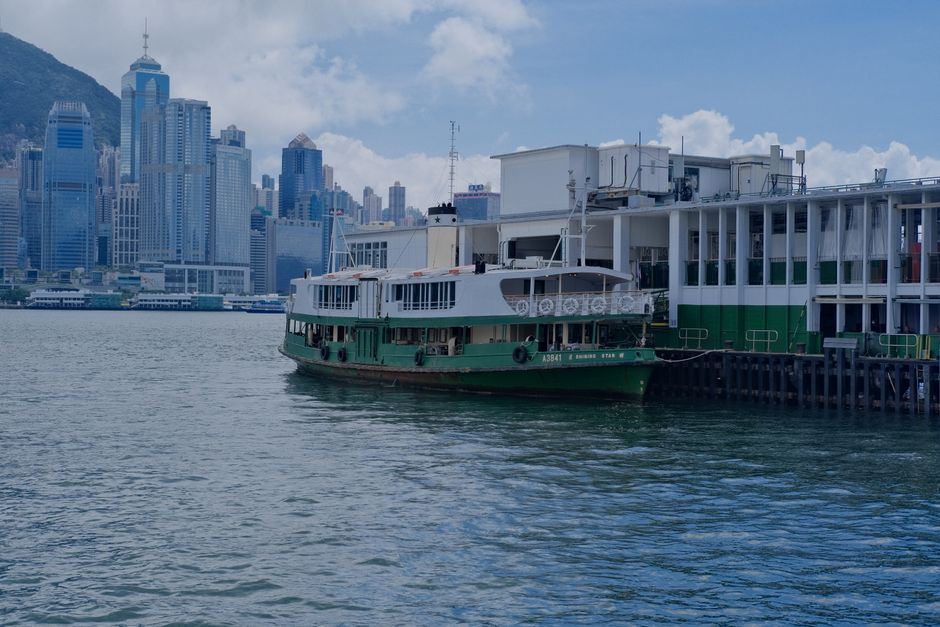
- Schedule the border as a half-day task. A ferry crossing may take about 60 minutes, but the complete journey includes getting to the terminal, ticket checks, immigration, boarding, and the transfer after arrival.
- Keep one flexible day. Weather, crowd control, ferry changes, and temporary road closures can disrupt a tightly timed plan. Use the flexible day for neighbourhood walks, food, or an attraction within walking distance of the hotel.
The booking order that reduces risk
Reserve accommodation first, then the cross-border ferry, then special-event tickets, then restaurant tables. Use cancellable hotel terms when the price difference is reasonable. Save the booking confirmation, passport details, and operator phone numbers offline. Verdict: a flexible district-based plan is safer than a packed checklist of famous sights.
What mistakes catch travellers during the holiday?
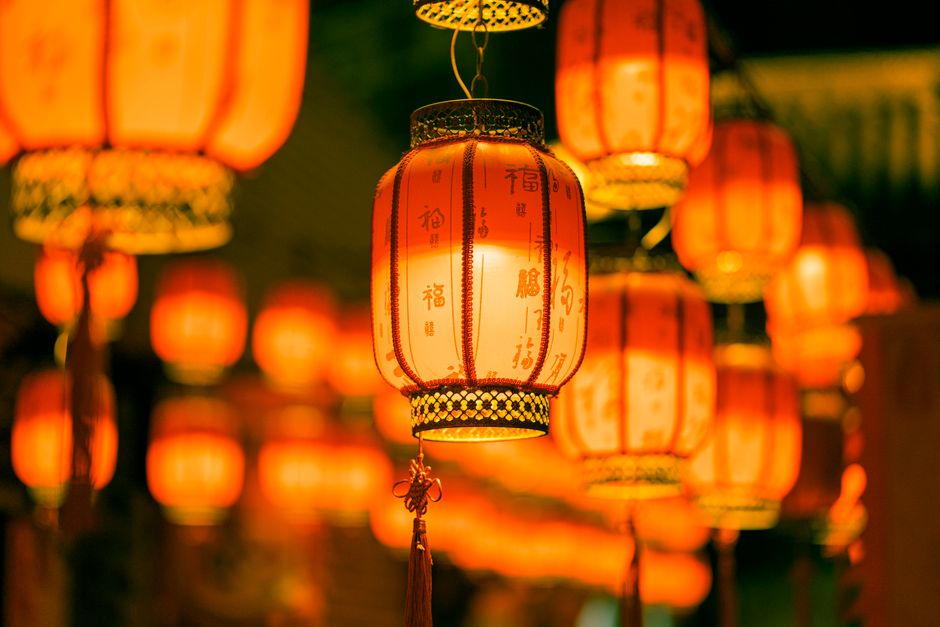
Most problems come from treating a cross-border festival trip like a normal weekend break. The questions below address the mistakes that create the most wasted time.
Do shops and restaurants close?
Some do, especially independent restaurants, market stalls, family businesses, and neighbourhood shops. Large malls, hotels, chain restaurants, major attractions, and casino resorts are more likely to operate, but they may use shortened hours or special menus. Do not rely on an old map listing. Ask the hotel to call the venue, or check its official social account on the day.
Do I need a separate entry check?
Yes. Hong Kong and Macao maintain separate immigration systems. A document that permits entry to Hong Kong does not automatically establish your right to enter Macao. Macao’s official guidance says visitors need a valid passport or accepted travel document, must meet the relevant visa or entry-permit rules, and may need proof of onward or return travel. Check the rule for your nationality on the official immigration site before buying a non-refundable ferry.
Can I rely on taxis and road transfers?
Not near parade routes, temples, markets, or major resort entrances. Hong Kong and Macao both publish temporary diversions and crowd-control measures during the festival. Use rail or walk where practical, allow extra time for a taxi pickup, and avoid crossing the city immediately after a major event. Verdict: the biggest avoidable mistake is booking a timed ferry or dinner with no buffer after a crowded public event.