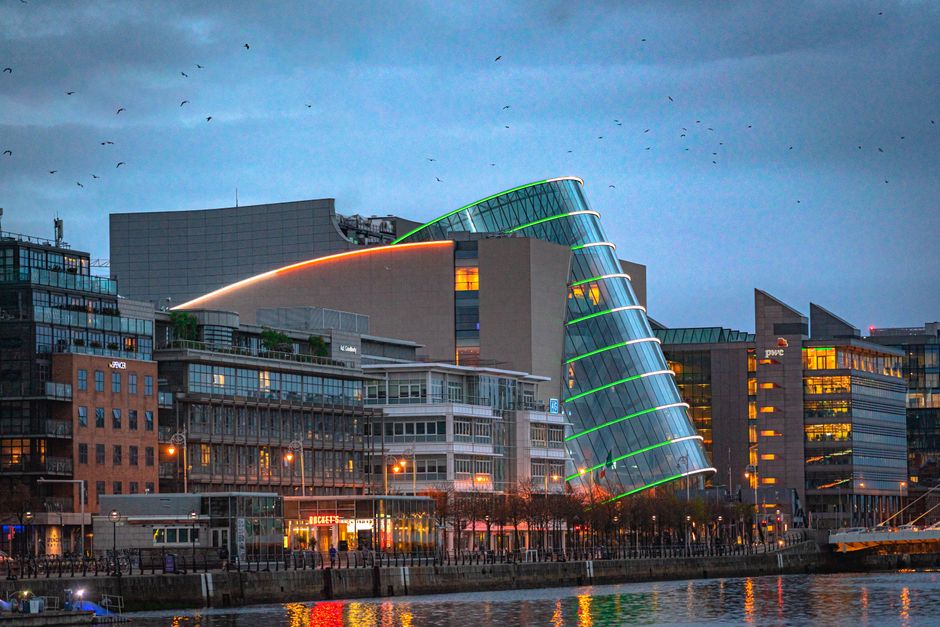
You arrive in Dublin on 17 March with a green hat, a hotel address, and no idea where the parade route begins. By lunchtime, the main streets are packed, several roads are closed, and every pub near Temple Bar has a queue outside. The good news is that Dublin is easier to enjoy when you stop treating the day as one giant party.
The local approach is simple: see the parade from one sensible spot, leave the centre before the biggest crowds, and build the rest of the day around food, music, and walkable neighbourhoods. In 2026, St. Patrick’s Festival runs from 14 to 17 March, with the National Parade on Tuesday 17 March. The official 2026 festival programme lists the wider events, but timings and access details can change.
What St Patrick’s Day in Dublin actually feels like
The parade is only one part of the day
Dublin’s St Patrick’s Day is loud, colourful, and more family-focused than many visitors expect. The parade includes large floats, marching bands, street theatre, dancers, and thousands of participants. It is not just a pub crawl with green decorations. The strongest local plan treats the parade as a morning event, then changes pace once the city centre becomes crowded.
Expect short bursts of music, long waits at crossings, wet pavements, and sudden changes in pedestrian flow. A good view may require standing for more than an hour. Wear shoes that can handle rain and cobblestones. A costume is optional. A waterproof jacket is not.
The best local attitude
Choose atmosphere over access to every event. You will not see everything, and trying to do so usually produces a day of rushing between barriers. Pick one parade location, one meal, and one evening area. That gives you enough structure to enjoy the city without spending the whole day checking a phone.
My clear verdict: the best first visit combines the parade with a quieter afternoon around Portobello, Smithfield, or the Liberties. These areas still feel connected to Dublin life, but they are less concentrated than Temple Bar. You get a fuller picture of the city instead of four hours in the same crowded square.
Where to stand for the Dublin parade
The right parade spot depends on what you want to see. Families need an easy exit and room for children. Photographers want a clear sightline. First-time visitors often want the classic central view, but the most famous streets are also the hardest places to leave.
| Area | Best for | Main trade-off |
|---|---|---|
| Parnell Square | Early route access and a strong first view | Arrive early; facilities and exits become crowded |
| O’Connell Street | Big street atmosphere and marching bands | Heavy crowds and limited movement during the parade |
| College Green | Central location near major landmarks | Road closures can make the area difficult to reach |
| South of the Liffey | More flexible access after the parade | Some views are less open than the main route |
Pick one side of the river
Do not plan to cross the Liffey during the parade. Bridges and central roads can close, and large groups move slowly. Choose a northside or southside base before leaving your accommodation. Parnell Square and O’Connell Street suit visitors who want the classic parade experience. The area around St Patrick’s Cathedral suits people who prefer a historic setting and an easier walk towards the Liberties after the crowds begin to thin.
Know when to leave
The local move is to leave before everyone else decides to leave. Walk away as the final groups pass rather than waiting for the whole crowd to disperse. The festival’s published 2026 road-closure list shows how widely movement can be affected, with several central roads closing from about 4:00 in the morning. That makes spontaneous taxi trips a poor plan. Walk ten to fifteen minutes away from the route first, then reassess.
A local timetable for 17 March
The winning schedule has empty space in it. Dublin is compact enough to explore on foot, but parade barriers and crowds turn short journeys into slow ones. Build around two fixed points and keep the rest loose.
- 8:00 to 9:30: Eat breakfast near your accommodation. Choose a filling meal with coffee, toast, eggs, or porridge. Do not rely on finding an open café beside the parade route.
- 9:30 to 10:30: Walk to your chosen viewing area. Bring a small bottle of water, a rain layer, and a portable phone battery. Leave large bags at the hotel because security checks and crowded pavements make them awkward.
- Late morning to early afternoon: Watch the parade, then leave as soon as the flow allows. Avoid trying to walk directly through O’Connell Street after the last float.
- 14:00 to 16:00: Take a slow route towards the Liberties, Smithfield, or Portobello. Stop for lunch only after moving away from the main route. This is the period when central pubs are at their busiest.
- 16:00 to 18:00: Choose one cultural stop, a calm pub, or a riverside walk. The Guinness Storehouse and Jameson Distillery Bow St. can suit visitors who prefer a planned attraction, but check opening times and book ahead for holiday dates.
- After 19:00: Eat before committing to an evening venue. Keep your final destination walkable from your accommodation because public transport becomes less predictable when crowds and road closures overlap.
The practical verdict is to spend the morning near the parade and the afternoon outside the central crush. A Leap Visitor Card costs €8 for 24 hours, €18 for 72 hours, or €24 for seven days, and covers Dublin Bus, Go-Ahead Ireland, Luas, DART, and commuter rail on eligible services. The official Leap Visitor Card information also explains that the airport journey can be included at the beginning and end of the selected period. For a one-day visitor making several trips, the €8 card is the simplest choice.
Why the best local experience happens outside Temple Bar

Temple Bar is useful, but it is not the whole city
Temple Bar gives you the image many visitors expect: cobbled streets, live music, busy pubs, and plenty of green clothing. It is also the place where prices rise fastest and personal space disappears first. You can visit for one walk or one drink, but I would not make it your base for the entire evening. The area is better as a quick look than as a complete Dublin plan.
For a more balanced night, walk towards the Liberties. The neighbourhood has historic churches, independent food spots, and a direct connection to Dublin’s brewing and distilling history. The Guinness Storehouse is the obvious ticketed attraction, while the streets around St Patrick’s Cathedral offer a calmer change of pace. The trade-off is that some businesses operate shorter holiday hours, so check ahead rather than assuming every door will be open.
Three neighbourhoods worth choosing
- Smithfield: Best for visitors who want a social evening without standing in Temple Bar’s densest crowds. It has good tram access and a mix of pubs, restaurants, and cultural venues.
- The Liberties: Best for history, traditional architecture, and an easy walk from St Patrick’s Cathedral. It feels more residential once you move away from the main attractions.
- Portobello: Best for a quieter dinner and a relaxed walk beside the Grand Canal. It is less convenient for a late-night parade crowd, but much better for conversation.
What locals actually do
Locals usually make one reservation or choose one reliable pub, then stop moving. They do not spend the night crossing the city for a supposedly better atmosphere. That is the key trade-off: staying put may mean missing a famous venue, but it gives you a seat, a warmer coat, and a realistic chance of eating. My pick for first-time visitors is Smithfield in the evening because it balances atmosphere, transport links, and easier exits.
Which St Patrick’s Day plan suits you best?
The best Dublin plan is the one that matches your tolerance for crowds. There is no prize for spending twelve hours beside a barrier or paying premium prices for a pub you cannot leave easily. Choose one clear priority, then protect time for food and rest.
| Visitor type | Best plan | Clear verdict |
|---|---|---|
| First-time visitor | Parade near Parnell Square, then the Liberties | Best overall introduction to Dublin |
| Family with children | Early festival event, short parade view, early dinner | Best for comfort and easy exits |
| History-focused traveller | St Patrick’s Cathedral, the Liberties, and one distillery visit | Best cultural value |
| Nightlife visitor | Brief Temple Bar walk, then Smithfield or Portobello | Best balance of energy and space |
| Crowd-averse traveller | Visit during 14–16 March and avoid the main parade | Best way to enjoy the festival calmly |
For most visitors, the winning formula is simple: arrive early, watch one section of the parade, walk away before the full crowd moves, and spend the afternoon in a neighbourhood with real local life. Use a Leap Visitor Card when you need flexible transport, but keep the day’s main route on foot. Choose Guinness Storehouse or Jameson Distillery Bow St. only when the attraction itself matters to you. That plan gives you the colour of St Patrick’s Day in Dublin without turning the celebration into a queueing contest.